

Why 6-Week Report Delays Could Hurt Your Dayton Car Accident Claim
Six Weeks Without Documentation Could Cost You Everything
You’ve been dealing with injuries, medical appointments, and disrupted work schedules since your car accident six weeks ago, but you still haven’t received the official crash report from Ohio law enforcement. This delay isn’t just an inconvenience – it could seriously jeopardize your ability to recover compensation for your injuries and damages. When accident victims in Montgomery County face prolonged waiting periods for essential documentation, the consequences extend far beyond mere frustration. Without proper documentation from the Ohio Department of Public Safety’s Electronic Crash Submission (ECS) database, building a strong case becomes increasingly difficult, especially when insurance companies use these delays to their advantage.
💡 Pro Tip: Start documenting everything yourself immediately after an accident – take photos, gather witness information, and keep detailed medical records while waiting for official reports.
Don’t let paperwork delays stand between you and the compensation you deserve. Reach out to Horenstein Nicholson & Blumenthal today, where experienced attorneys are ready to fight your case. Connect with them at 9372247200 or contact us to safeguard your rights and pursue justice without missing a beat.
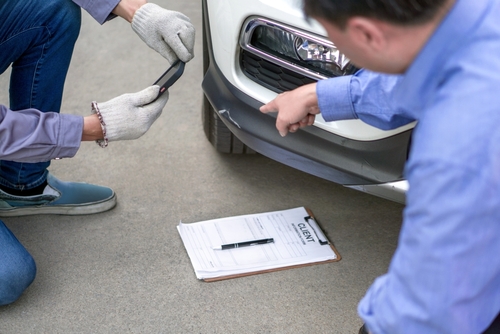
Your Legal Rights When Working with a Car Accident Attorney in Dayton
Ohio law establishes clear rights for accident victims, including the ability to seek compensation for both economic and non-economic damages. A car accident attorney in Dayton can help protect these rights even when facing documentation delays. According to Ohio law, personal injury claims must be filed within two years after the cause of action accrues – meaning when your injury or property damage occurred. This might seem like plenty of time, but when you’re waiting weeks or months for crucial documentation, that deadline approaches faster than you think. Understanding the Ohio statute of limitations for bodily injury and personal property claims becomes critical when report delays threaten your timeline.
Non-economic damages often remain significant in car accident cases, recognizing the emotional impact and loss of relational benefits you’ve experienced. These damages include compensation for pain and suffering, mental anguish, and loss of enjoyment of life – all of which require proper documentation to prove. When reports are delayed, establishing the severity of your injuries and their impact on your daily life becomes more challenging. Insurance companies may argue that gaps in documentation suggest less serious injuries, even when that’s far from the truth.
💡 Pro Tip: Keep a daily journal documenting your pain levels, missed activities, and how injuries affect your routine – this creates a timeline that supports non-economic damage claims.
Critical Deadlines That Won’t Wait for Late Reports
Understanding the timeline for car accident claims reveals why a six-week delay can create serious complications. While Ohio crash statistics show that reports are typically available within 24 hours through the official system, various factors can cause delays. During this waiting period, several critical deadlines continue counting down, and missing any of them could permanently bar your recovery.
- Two-year statute of limitations for personal injury claims begins immediately when the injury occurs, not when you receive documentation
- Insurance companies often require prompt notification – some policies demand notice within 30 days of the accident
- Evidence preservation becomes more difficult as time passes – surveillance footage is often deleted after 30-60 days
- Witness memories fade significantly after just a few weeks, making their testimony less reliable
- Medical documentation linking injuries directly to the accident becomes harder to establish with delays
💡 Pro Tip: Send written notice to your insurance company immediately after the accident, even without the official report – this preserves your claim while waiting for documentation.
How Experienced Legal Representation Protects Your Claim During Delays
When facing report delays, working with a car accident attorney in Dayton becomes essential for protecting your rights and maximizing your compensation. Firms like Horenstein Nicholson & Blumenthal understand how to build strong cases even when official documentation is delayed. They can gather alternative evidence, interview witnesses while memories remain fresh, and ensure all deadlines are met regardless of reporting delays. A skilled Dayton car accident attorney knows that waiting for reports without taking action allows crucial evidence to disappear and gives insurance companies ammunition to minimize or deny your claim.
The decision to consult a lawyer shouldn’t wait for official reports to arrive. Experienced attorneys can often obtain crash reports faster through established relationships with law enforcement agencies and knowledge of the system. They also understand how to document your case independently, ensuring that a delayed report doesn’t become a barrier to fair compensation. This proactive approach proves especially valuable when dealing with serious injuries or complex liability situations where every piece of evidence matters.
💡 Pro Tip: Many attorneys offer free consultations and can start preserving evidence immediately – don’t let report delays prevent you from seeking legal guidance.
The Hidden Dangers of Documentation Gaps in Car Accident Cases
Report delays create documentation gaps that insurance companies exploit to minimize payouts. When working with a car accident attorney in Dayton, you’ll discover how these gaps affect different aspects of your claim. Insurance adjusters are trained to look for inconsistencies and missing information, using any weakness to justify lower settlements. A six-week delay provides ample opportunity for them to argue that your injuries weren’t severe enough to warrant immediate documentation or that intervening events could have caused your damages.
Medical Documentation Challenges
Without an official accident report linking your injuries to a specific collision, medical providers may hesitate to attribute your treatment directly to the accident. This creates billing complications and weakens your injury claims. Emergency room records from the accident date become crucial, but if you delayed seeking treatment while waiting for reports, insurers will question the severity and causation of your injuries. Establishing a clear medical timeline requires coordination between your healthcare providers and legal representation.
💡 Pro Tip: Request that all medical providers specifically note in their records that your treatment relates to injuries from your motor vehicle accident on the specific date.
Protecting Your Financial Recovery Despite Reporting Delays
Financial pressures mount quickly after an accident, and report delays compound these challenges. Medical bills arrive regardless of documentation status, and missed work creates immediate income loss. Understanding Ohio car accident compensation rights helps you make informed decisions during this difficult period. Your Dayton personal injury lawyer can explain how to document economic losses independently while waiting for official reports.
Insurance Company Tactics During Delay Periods
Insurance companies often use report delays strategically, knowing that financial pressure makes accident victims more likely to accept inadequate settlements. They may claim they cannot process your claim without official documentation, even though Ohio car accident laws don’t require police reports for valid claims. Some insurers will make quick, lowball offers during this vulnerable period, hoping you’ll accept before understanding your case’s true value. Recognizing these tactics helps you avoid costly mistakes that could impact your family’s financial future.
💡 Pro Tip: Never accept an insurance settlement without legal review – early offers during report delays rarely reflect fair compensation for your injuries and losses.
Evidence Preservation Strategies When Reports Are Delayed
Smart evidence preservation becomes critical when facing documentation delays in your Dayton car accident lawsuit. Every day that passes without proper documentation increases the risk of losing crucial evidence that supports your claim. A car accident lawyer Dayton residents trust will implement immediate preservation strategies, including sending spoliation letters to prevent evidence destruction and coordinating with accident reconstruction specialists who can examine the scene before critical details disappear.
Technology and Modern Evidence Collection
Modern vehicles often contain electronic data recorders (EDRs) that capture crucial information about the moments before impact. This data can disappear or be overwritten if not preserved quickly. Additionally, nearby businesses may have surveillance footage, but many systems automatically delete recordings after 30-60 days. Cell phone records, GPS data, and even social media posts can provide valuable evidence about the accident circumstances. Dayton car accident legal help includes knowing how to preserve and obtain this electronic evidence before it vanishes.
💡 Pro Tip: Take screenshots of any social media posts from other parties involved in the accident – these often contain admissions or evidence that later gets deleted.
Frequently Asked Questions
Common Concerns About Report Delays and Legal Claims
Understanding how report delays impact your legal options helps you make informed decisions about your car accident claim. These answers address the most pressing concerns accident victims face when documentation doesn’t arrive as expected.
💡 Pro Tip: Write down all your questions before meeting with an attorney – this ensures you get complete information during your consultation.
Taking Action Despite Documentation Delays
Moving forward with your claim doesn’t require waiting for official reports. Understanding your options empowers you to protect your rights and pursue fair compensation regardless of administrative delays.
💡 Pro Tip: Keep a detailed timeline of all attempts to obtain your accident report – this documentation can support your case if delays impact your claim.
1. Can I still file a claim with a car accident attorney Dayton Ohio if my police report is delayed beyond six weeks?
Yes, you can and should proceed with your claim despite report delays. Experienced attorneys can build strong cases using alternative evidence sources, including medical records, witness statements, photographs, and vehicle damage estimates. The key is starting the process quickly to preserve other evidence while waiting for official documentation.
2. How do Ohio car accident laws address situations where official reports are significantly delayed?
Ohio law doesn’t require a police report to file a valid injury claim. While reports provide valuable evidence, the two-year statute of limitations for personal injury claims continues running regardless of documentation delays. Courts recognize that administrative delays shouldn’t prevent legitimate claims from moving forward.
3. Will insurance companies use report delays against me when seeking Ohio car accident compensation?
Insurance companies may attempt to use any delay or gap in documentation to minimize your claim. However, with proper legal representation, you can counter these tactics by presenting alternative evidence and explaining the legitimate reasons for any delays. Document all your efforts to obtain the report as this shows good faith.
4. What immediate steps should I take with a Dayton auto accident lawyer if my report is delayed?
Contact an attorney immediately to begin evidence preservation. They can send formal requests for the report, gather witness statements while memories are fresh, photograph accident scenes and vehicle damage, and coordinate with medical providers to properly document your injuries. Starting early prevents crucial evidence loss.
5. How much do report delays typically impact the value of car accident settlements in Ohio?
Report delays don’t automatically reduce claim values, but they can complicate negotiations. The impact depends on what other evidence you’ve preserved and how quickly you’ve acted to document your case. Working with experienced legal counsel often minimizes or eliminates any negative impact from reporting delays.
Work with a Trusted Car Accidents Lawyer
Don’t let report delays jeopardize your right to fair compensation after a car accident. The experienced attorneys at Horenstein Nicholson & Blumenthal understand how to build strong cases despite documentation challenges. They work diligently to obtain reports through proper channels while simultaneously preserving other crucial evidence. With their knowledge of Ohio’s legal system and established relationships with local law enforcement agencies, they can often expedite the report process while ensuring your claim moves forward. Contact their office to discuss how they can protect your rights and maximize your recovery, regardless of any reporting delays you’re experiencing.
Don’t let delays derail your compensation journey. Reach out to Horenstein Nicholson & Blumenthal today. Call us at 9372247200 or contact us to take the first step towards securing your rights and achieving justice.
Related Posts

What Is Substantial Aggravation of a Pre-Existing Condition in Ohio?
When a Work Injury Makes an Old Problem Much Worse Key Takeaways: In Ohio, a substantial aggravation of a pre-existing condition occurs when a work injury meaningfully worsens an existing health problem, compensable under R.C. § 4123.01(C)(4) only when documented by objective diagnostic findings, objective clinical findings, or objective test results, not subjective pain complaints alone. Ohio’s no-fault system means having a bad back, arthritic joints,…
READ MORE
What Is an MCS-90 Endorsement in a Dayton Truck Accident Claim?
How the MCS-90 Endorsement Truck Accident Protection Actually Works The endorsement is a promise made to the public, not just to the insured carrier. Under 49 CFR 387.15, the insurer agrees to pay any final judgment recovered against the insured for public liability arising from negligent operation of motor vehicles, up to the applicable minimum limit. Because the obligation runs to the public, courts have held…
READ MORE
What Is the No-Zone Around Trucks in Dayton, Ohio?
Understanding the Hidden Danger of Truck Blind Spots on Dayton Roads Key Takeaways: The no-zone is the set of blind spot areas at the front, back, and both sides of a large truck where a smaller vehicle disappears from the driver’s view, creating a core hazard on Dayton roads like I-75 and U.S. 35. The right side is the largest blind spot and the rear leaves…
READ MOREWhat Is a Hit and Run Injury Claim Under Ohio Law for Dayton Victims?
Understanding Your Rights After a Hit-Skip Crash in the Miami Valley Key Takeaways: A hit and run injury claim under Ohio law allows Dayton victims to seek compensation after a driver flees, primarily through their own uninsured motorist (UM) coverage, since Ohio treats a fleeing driver like an uninsured one. Recovery remains possible even when the driver is never identified, provided independent corroborating evidence such as…
READ MORE
Should Dayton Drivers Move a Car After a Minor Ohio Collision?
The Short Answer for Dayton Drivers Facing a Fender Bender Key Takeaways: Dayton drivers can move a car after a minor Ohio collision, but only after fulfilling their legal duties first. Ohio law requires you to stop immediately, remain at the scene, and exchange identifying information including name, address, and vehicle registration before repositioning any vehicle. Once you’ve met those duties and documented the original positions…
READ MORE
What Should Dayton Workers Weigh Before Accepting a Lump Sum Settlement?
Understanding Lump Sum Settlements in Ohio’s Workers’ Comp System Key Takeaways: Before accepting a lump sum settlement (LSS), Dayton workers should weigh immediate financial relief against long-term rights they may permanently give up. An LSS closes all or part of a claim for a one-time payment often discounted to present value. Either party can initiate a settlement under Ohio law, so an employer’s offer may reflect…
READ MORE
What Makes a Dayton Truck Accident Case Harder to Prove Than a Car Crash?
Why Trucking Claims Demand a Different Playbook Than Ordinary Crashes Key Takeaways: A Dayton truck accident case is harder to prove than a car crash because liability can be spread across multiple parties, the driver, carrier, maintenance provider, and cargo loaders, each with separate insurance and defense counsel. Evidence is more technical, requiring driver logs, hours-of-service data, maintenance records, and black box downloads held by trucking…
READ MOREGet HNB to Help You
What our client has to say

Laurie Ruscillo
in Google Reviews
“During a very difficult time, there was compassion and a truly dedicated effort from the staff for a favorable outcome with a disability claim from the Social Security Administration.”
Related Posts
What Is Substantial Aggravation of a Pre-Existing Condition in Ohio?
When a Work Injury Makes an Old Problem Much Worse Key Takeaways: In Ohio, a substantial aggravation of a pre-existing condition occurs when a work injury meaningfully worsens an existing health problem, compensable under R.C. § 4123.01(C)(4) only when documented by objective diagnostic findings, objective clinical findings, or objective test results, not subjective pain complaints alone. Ohio’s no-fault system means having a bad back, arthritic joints,…
READ MORE What Is an MCS-90 Endorsement in a Dayton Truck Accident Claim?
How the MCS-90 Endorsement Truck Accident Protection Actually Works The endorsement is a promise made to the public, not just to the insured carrier. Under 49 CFR 387.15, the insurer agrees to pay any final judgment recovered against the insured for public liability arising from negligent operation of motor vehicles, up to the applicable minimum limit. Because the obligation runs to the public, courts have held…
READ MORE What Is the No-Zone Around Trucks in Dayton, Ohio?
Understanding the Hidden Danger of Truck Blind Spots on Dayton Roads Key Takeaways: The no-zone is the set of blind spot areas at the front, back, and both sides of a large truck where a smaller vehicle disappears from the driver’s view, creating a core hazard on Dayton roads like I-75 and U.S. 35. The right side is the largest blind spot and the rear leaves…
READ MOREWhat Is a Hit and Run Injury Claim Under Ohio Law for Dayton Victims?
Understanding Your Rights After a Hit-Skip Crash in the Miami Valley Key Takeaways: A hit and run injury claim under Ohio law allows Dayton victims to seek compensation after a driver flees, primarily through their own uninsured motorist (UM) coverage, since Ohio treats a fleeing driver like an uninsured one. Recovery remains possible even when the driver is never identified, provided independent corroborating evidence such as…
READ MORE Should Dayton Drivers Move a Car After a Minor Ohio Collision?
The Short Answer for Dayton Drivers Facing a Fender Bender Key Takeaways: Dayton drivers can move a car after a minor Ohio collision, but only after fulfilling their legal duties first. Ohio law requires you to stop immediately, remain at the scene, and exchange identifying information including name, address, and vehicle registration before repositioning any vehicle. Once you’ve met those duties and documented the original positions…
READ MORE What Should Dayton Workers Weigh Before Accepting a Lump Sum Settlement?
Understanding Lump Sum Settlements in Ohio’s Workers’ Comp System Key Takeaways: Before accepting a lump sum settlement (LSS), Dayton workers should weigh immediate financial relief against long-term rights they may permanently give up. An LSS closes all or part of a claim for a one-time payment often discounted to present value. Either party can initiate a settlement under Ohio law, so an employer’s offer may reflect…
READ MORE What Makes a Dayton Truck Accident Case Harder to Prove Than a Car Crash?
Why Trucking Claims Demand a Different Playbook Than Ordinary Crashes Key Takeaways: A Dayton truck accident case is harder to prove than a car crash because liability can be spread across multiple parties, the driver, carrier, maintenance provider, and cargo loaders, each with separate insurance and defense counsel. Evidence is more technical, requiring driver logs, hours-of-service data, maintenance records, and black box downloads held by trucking…
READ MORE


Phone

Hours
AVAILABLE 24/7
OFFICES
Dayton, OH
220 E. Monument Ave.
Suite 305
Dayton, OH 45402