

Can Weather Conditions Affect Your Dayton Car Accident Settlement?
How Dayton’s Winter Weather Creates Hidden Dangers for Your Accident Claim
Weather conditions can significantly impact your Dayton car accident settlement, affecting both liability determinations and damage calculations. When icy roads, heavy rain, or fog contribute to a collision, insurance companies often shift blame by claiming weather was the primary cause. Understanding how Ohio law addresses weather-related accidents and Dayton’s specific winter response protocols can make the difference between a fair settlement and leaving money on the table. With approximately 418,000 to 445,000 people injured in weather-related crashes nationwide annually, and Dayton managing 1,700 lane-miles with varying priority levels for snow removal, weather-related accidents require careful legal navigation.
💡 Pro Tip: Document weather conditions immediately after your accident by taking photos of road conditions, saving weather reports, and noting whether emergency weather advisories were in effect in Dayton at the time of your crash.
If you’re navigating the complex aftermath of a weather-related car accident in Dayton, don’t leave your settlement up to chance. Connect with the trusted team at Horenstein Nicholson & Blumenthal to ensure your rights are protected and your case is effectively presented. Call us at 9372247200 or contact us today to start on the path to a fair settlement.
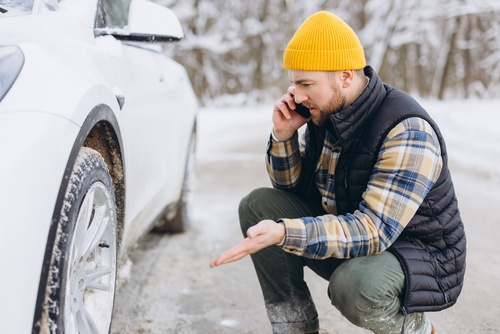
Ohio’s Modified Comparative Negligence Rule Protects Weather-Related Accident Victims
Under Ohio Revised Code §2315.33, the modified comparative negligence rule means you can recover damages as long as you’re not more than 50% at fault – even when weather conditions played a role. This law, effective since April 7, 2005, ensures Dayton drivers who experience weather-related crashes aren’t automatically barred from recovery simply because conditions were poor. For example, if you skidded on untreated ice on a residential street (which only receives treatment when snow reaches 4 inches), and another driver ran a red light, you could still recover damages even if partially at fault for your speed. The court reduces your compensatory damages proportionally based on your percentage of fault, but you maintain your right to compensation as long as your fault doesn’t exceed the combined fault of all other parties.
💡 Pro Tip: Keep records of local weather advisories from the National Weather Service and whether Dayton had issued any travel warnings, as Public Health, Dayton & Montgomery County explicitly recommends monitoring these sources during storms.
Understanding Dayton’s 24-Hour Storm Response Timeline for Your Case
The timeline of your weather-related accident claim depends heavily on when the crash occurred relative to the storm and the city’s response. Dayton’s Street Maintenance Division works to achieve safe traffic movement within 24 hours following a storm, meaning road conditions vary dramatically during this window. The city prioritizes highways, main thoroughfares, and streets near schools and hospitals first, including U.S. Route 35 and SR 4, before addressing residential streets.
- Document the exact time of your accident and current weather conditions
- Note which category of street you were on (highway, main thoroughfare, or residential)
- Record when the storm began and whether the 24-hour response window had passed
- Gather evidence about whether appropriate winter weather response measures were in place
- Obtain police reports that document road conditions at the accident scene
Maximizing Your Settlement When Weather Complicated Your Dayton Accident
Successfully resolving a weather-related car accident claim requires understanding how weather affects liability. Even light rain can increase travel time delays by 12 to 20 percent, demonstrating how weather measurably degrades traffic conditions. A car accident attorney in Dayton can help counter insurance company tactics that attempt to blame weather alone. The experienced team at Horenstein Nicholson & Blumenthal recognizes that weather is often just one factor among many, ensuring that other drivers’ negligent actions – such as following too closely despite recommendations to increase following distance from 3 seconds to 5-6 seconds in winter conditions – are properly accounted for in settlement negotiations.
💡 Pro Tip: If you were carrying the emergency supply kit recommended by Dayton authorities and followed their guidance about running your engine 10 minutes per hour while stranded, document this as evidence of your reasonable efforts to mitigate damages.
Critical Evidence That Strengthens Weather-Related Accident Claims in Dayton
Weather-related accidents in Dayton often involve complex evidence beyond typical collision documentation. With the Department of Public Works maintaining over 50 snow removal vehicles and 80 crew members on standby, questions about municipal response adequacy can become central to your case. Understanding what evidence carries the most weight helps build a stronger claim against insurance companies that may attribute the accident solely to weather rather than driver negligence.
Physical Evidence at the Scene
Documenting road conditions immediately after your accident provides crucial evidence that can disappear within hours as crews clear streets. Photograph ice patches, snow accumulation levels, visibility conditions, and any road treatment visible at the scene. This evidence is particularly important for accidents on residential streets, which may not receive treatment until accumulation reaches the 4-inch threshold. Additionally, capture vehicle positions, skid marks in snow or on wet pavement, and damage patterns to help reconstruct how weather actually contributed to the collision.
💡 Pro Tip: Use a measuring tape or common object for scale in your photos to document actual snow depth, especially important for residential street accidents where the 4-inch treatment threshold applies.
How Insurance Companies Use Weather to Reduce Dayton Accident Settlements
Insurance adjusters often employ specific strategies to minimize payouts for weather-related accidents. With approximately 5,000 to 5,900 fatalities occurring nationally in weather-related crashes annually, insurers have developed systematic approaches to shift liability away from their insured drivers and onto weather conditions. Recognizing these strategies helps you and your Dayton Ohio car accident lawyer prepare effective counterarguments.
Common Insurance Company Arguments
Insurance companies frequently argue that weather was an “act of God” that absolves their insured driver of responsibility, ignoring that drivers must adjust their behavior for conditions. They may claim that since Public Health, Dayton & Montgomery County advises postponing non-essential travel during poor conditions, any driver on the road assumed the risk. However, Ohio law requires all drivers to operate vehicles with reasonable care given the circumstances, meaning that failing to reduce speed, increase following distance, or take other weather-appropriate precautions constitutes negligence regardless of conditions.
Frequently Asked Questions
Common Legal Concerns About Weather and Fault
Many Dayton residents worry that bad weather automatically makes them partially at fault for an accident, but Ohio law provides important protections for drivers who exercise reasonable care even in difficult conditions.
💡 Pro Tip: When consulting with a car accident lawyer in Dayton Ohio, bring any weather reports, road condition photos, and documentation of weather advisories that were in effect to help establish the full context of your accident.
Next Steps After a Weather-Related Crash
Taking prompt action after a weather-related accident in Dayton protects both your health and legal rights, setting the foundation for successful settlement negotiation.
1. Can I still receive compensation if icy roads contributed to my Dayton car accident?
Yes, icy roads don’t prevent compensation under Ohio law. As long as you’re not more than 50% at fault, you can still recover damages. The key is proving other drivers failed to adjust their driving for conditions or that the City of Dayton may have been negligent in road treatment, particularly on residential streets that don’t receive treatment until 4 inches of snow accumulates.
2. How do Ohio car accident laws weather provisions affect my Dayton settlement?
Ohio’s modified comparative negligence rule under Ohio Revised Code §2315.33 means weather conditions are considered as one factor among many in determining fault. Your settlement will be reduced by your percentage of fault, but weather alone doesn’t bar recovery. For example, if you’re found 30% at fault for driving too fast for conditions, you can still recover 70% of damages from other at-fault parties.
3. What if the other driver claims the weather caused the accident, not their driving?
This is a common defense tactic, but Ohio law requires all drivers to operate vehicles safely regardless of weather. A skilled Dayton car accident attorney can demonstrate the other driver failed to follow safety guidelines, such as the recommended 5-6 second following distance in winter conditions, or drove too fast. Weather explains why an accident was more likely but doesn’t excuse negligent driving behaviors.
4. How quickly should I contact a Dayton Ohio car accident lawyer after a weather-related crash?
Contact an attorney as soon as possible after seeking medical attention. Weather-related evidence can disappear quickly as roads are cleared and conditions change. Early involvement helps preserve crucial evidence like road conditions, weather reports, and witness accounts while they’re still fresh and available.
5. Will my Dayton car accident settlement be lower because of bad weather?
Not necessarily. While weather may affect fault allocation, it doesn’t automatically reduce your settlement. In fact, severe weather can sometimes lead to higher settlements if it contributed to more serious injuries or property damage. The key is working with an experienced Dayton personal injury lawyer who can effectively present how the other driver’s negligence, not just weather, caused your damages.
Work with a Trusted Car Accidents Lawyer
Weather-related car accidents in Dayton present unique legal challenges requiring deep understanding of both Ohio comparative negligence law and local road maintenance protocols. Whether your accident occurred on a priority highway that should have been cleared within Dayton’s 24-hour target or on a residential street awaiting the 4-inch accumulation threshold for treatment, experienced legal representation helps level the playing field against insurance companies that may blame weather alone for your injuries. A knowledgeable attorney can effectively demonstrate how weather conditions should be weighed against driver negligence to achieve the fair settlement you deserve.
When weather throws a wrench in your Dayton car accident settlement, having the right support can make all the difference. Reach out to Horenstein Nicholson & Blumenthal, where understanding your unique situation is our priority. Call us today at 9372247200 or contact us to start your journey toward a fair settlement.
Related Posts

Can You File a Truck Accident Claim Without a Police Report in Dayton?
Understanding Your Legal Options After a Dayton Truck Crash Without Police Documentation Yes, you can file a truck accident claim without a police report in Dayton, though the process requires careful evidence collection and documentation. The Dayton Police Department only completes formal Ohio Traffic Crash Reports (OH-1) under specific circumstances – when there’s a death, injury requiring hospital transport, hit-and-run, impaired driver, or when a vehicle…
READ MORE
What Does Comparative Negligence Mean for Dayton Crash Cases?
What Does Comparative Negligence Mean for Dayton Crash Cases? If you were hurt in a car accident in Dayton, Ohio, one of the first questions you may face is: who was at fault? In many crashes, the answer is not straightforward. Ohio law recognizes that more than one person can share responsibility for an accident, and your ability to recover compensation depends on how much…
READ MORE
How to Prove Truck Driver Negligence in Your Dayton Accident Case
Understanding Your Rights After a Devastating Truck Crash in Montgomery County When a commercial truck collision turns your life upside down, proving the truck driver’s negligence becomes crucial to securing the compensation you deserve. The aftermath of a truck accident in Dayton can leave you overwhelmed with medical bills, vehicle repairs, and physical pain while insurance companies pressure you for quick statements. Many accident victims don’t…
READ MORE
Can You Sue Trucking Companies for Poor Vehicle Maintenance in Dayton?
Your Rights After a Preventable Truck Accident in Dayton When a commercial truck with faulty brakes, worn tires, or other maintenance failures causes devastating injuries on Dayton highways, victims can hold the trucking company accountable. Trucking companies have a legal duty to maintain their vehicles according to strict federal safety standards, and violations create grounds for compensation claims. Federal regulations under 49 CFR Part 396, along…
READ MORE
Can You Sue After a Hit and Run Accident in Dayton?
Facing the Aftermath of a Hit and Run in Dayton Yes, you can sue after a hit and run accident in Dayton, though the process involves unique challenges. When a driver flees the scene, victims often feel overwhelmed and uncertain about their legal options. Being left injured or with property damage while the responsible party disappears can leave you wondering if justice is possible. Understanding your…
READ MORE
Are Electronic Logging Devices Required for Dayton Truck Drivers?
Federal Mandates Transform How Commercial Drivers Track Their Hours If you’ve been injured in a truck accident, understanding whether the truck driver complied with federal safety requirements could be crucial to your case. Electronic Logging Devices (ELDs) are mandatory for most commercial motor vehicle drivers operating under federal hours-of-service regulations, including those in Ohio. These devices automatically record driving time by synchronizing with the vehicle’s engine,…
READ MORE
Can You Email Dayton Police for Car Crash Witness Statements?
Yes, You Can Email for Witness Statements – Here’s What You Need to Know After a car accident, witness statements can make or break your case. If you’re seeking witness statements from a Dayton-area crash, you can email the police department directly at witness@daytonohio.gov – but you’ll need your crash report number. This streamlined process reflects Ohio’s commitment to public records access, as all Montgomery County Records Center…
READ MOREGet HNB to Help You
What our client has to say

Laurie Ruscillo
in Google Reviews
“During a very difficult time, there was compassion and a truly dedicated effort from the staff for a favorable outcome with a disability claim from the Social Security Administration.”
Related Posts
Can You File a Truck Accident Claim Without a Police Report in Dayton?
Understanding Your Legal Options After a Dayton Truck Crash Without Police Documentation Yes, you can file a truck accident claim without a police report in Dayton, though the process requires careful evidence collection and documentation. The Dayton Police Department only completes formal Ohio Traffic Crash Reports (OH-1) under specific circumstances – when there’s a death, injury requiring hospital transport, hit-and-run, impaired driver, or when a vehicle…
READ MORE What Does Comparative Negligence Mean for Dayton Crash Cases?
What Does Comparative Negligence Mean for Dayton Crash Cases? If you were hurt in a car accident in Dayton, Ohio, one of the first questions you may face is: who was at fault? In many crashes, the answer is not straightforward. Ohio law recognizes that more than one person can share responsibility for an accident, and your ability to recover compensation depends on how much…
READ MORE How to Prove Truck Driver Negligence in Your Dayton Accident Case
Understanding Your Rights After a Devastating Truck Crash in Montgomery County When a commercial truck collision turns your life upside down, proving the truck driver’s negligence becomes crucial to securing the compensation you deserve. The aftermath of a truck accident in Dayton can leave you overwhelmed with medical bills, vehicle repairs, and physical pain while insurance companies pressure you for quick statements. Many accident victims don’t…
READ MORE Can You Sue Trucking Companies for Poor Vehicle Maintenance in Dayton?
Your Rights After a Preventable Truck Accident in Dayton When a commercial truck with faulty brakes, worn tires, or other maintenance failures causes devastating injuries on Dayton highways, victims can hold the trucking company accountable. Trucking companies have a legal duty to maintain their vehicles according to strict federal safety standards, and violations create grounds for compensation claims. Federal regulations under 49 CFR Part 396, along…
READ MORE Can You Sue After a Hit and Run Accident in Dayton?
Facing the Aftermath of a Hit and Run in Dayton Yes, you can sue after a hit and run accident in Dayton, though the process involves unique challenges. When a driver flees the scene, victims often feel overwhelmed and uncertain about their legal options. Being left injured or with property damage while the responsible party disappears can leave you wondering if justice is possible. Understanding your…
READ MORE Are Electronic Logging Devices Required for Dayton Truck Drivers?
Federal Mandates Transform How Commercial Drivers Track Their Hours If you’ve been injured in a truck accident, understanding whether the truck driver complied with federal safety requirements could be crucial to your case. Electronic Logging Devices (ELDs) are mandatory for most commercial motor vehicle drivers operating under federal hours-of-service regulations, including those in Ohio. These devices automatically record driving time by synchronizing with the vehicle’s engine,…
READ MORE Can You Email Dayton Police for Car Crash Witness Statements?
Yes, You Can Email for Witness Statements – Here’s What You Need to Know After a car accident, witness statements can make or break your case. If you’re seeking witness statements from a Dayton-area crash, you can email the police department directly at witness@daytonohio.gov – but you’ll need your crash report number. This streamlined process reflects Ohio’s commitment to public records access, as all Montgomery County Records Center…
READ MORE


Phone

Hours
AVAILABLE 24/7
OFFICES
Dayton, OH
220 E. Monument Ave.
Suite 305
Dayton, OH 45402