

Can You Get Workers’ Comp Injury Compensation in Dayton, Ohio?
When Workplace Injuries Turn Your Life Upside Down: Finding Help with a Workers’ Compensation Lawyer in Dayton
You showed up for work like any other day, but in an instant, everything changed. Whether it was a fall from scaffolding, a repetitive strain injury from years of assembly line work, or exposure to harmful chemicals at your Dayton manufacturing facility, workplace injuries don’t discriminate. Now you’re facing mounting medical bills, lost wages, and uncertainty about your future—all while trying to navigate Ohio’s complex workers’ compensation system. The good news is that Ohio law provides specific protections and benefits for injured workers, and understanding your rights can make the difference between struggling alone and securing the compensation you need to heal and move forward.
💡 Pro Tip: Report your injury to your supervisor immediately and in writing, even if it seems minor. Ohio law requires prompt notification, and delays can jeopardize your claim.
If you’re feeling overwhelmed by the complexities of workers’ compensation claims in Ohio, Horenstein Nicholson & Blumenthal stands ready to lend a helping hand. Don’t leave your rights unprotected—contact us at 8882815930 or contact us today to take the first step toward securing the benefits you deserve. Let us handle the legal hurdles while you focus on your recovery.
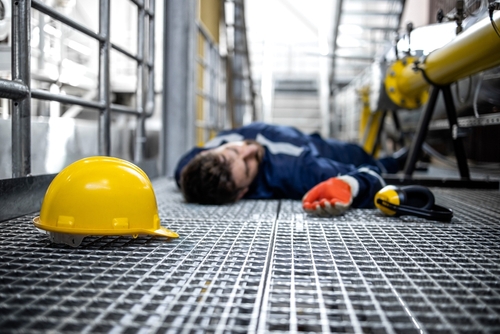
Your Rights Under Ohio’s Workers’ Compensation System
Ohio operates a state-run workers’ compensation program through the Bureau of Workers’ Compensation (BWC), which means injured workers have specific statutory rights that differ from many other states. When you’re injured on the job, you’re entitled to medical treatment, temporary total disability payments if you can’t work, and potentially permanent partial or total disability benefits depending on your injury’s severity. A Workers’ Compensation lawyer in Dayton can help ensure you receive all benefits available under Ohio Revised Code Chapter 4123, including coverage for medical expenses, rehabilitation services, and compensation for lost earning capacity.
What many injured workers don’t realize is that Ohio’s system also provides benefits for occupational diseases and repetitive stress injuries, not just sudden accidents. If you’ve developed carpal tunnel syndrome from years of factory work or respiratory issues from chemical exposure, these conditions may qualify for workers’ compensation benefits. The key is understanding how to properly document and present your claim to the BWC, which is where experienced legal representation becomes invaluable.
💡 Pro Tip: Keep detailed records of all work-related symptoms and doctor visits. Ohio allows claims for occupational diseases, but you’ll need to prove the connection between your work and your condition.
Understanding the Workers’ Compensation Timeline in Ohio
Time is critical in workers’ compensation cases, and Ohio has strict deadlines that can’t be ignored. From the moment of your injury, a series of time-sensitive steps must be followed to protect your rights. Working with a Workers’ Compensation lawyer in Dayton ensures you don’t miss crucial deadlines that could cost you benefits. Here’s what you need to know about the timeline:
- Immediate notification: Report your injury to your employer as soon as possible, ideally the same day
- Medical treatment: Seek authorized medical care within 24-48 hours to establish documentation
- Employer filing: While your employer should file the First Report of Injury (FROI), do not rely on them to do it
- Claim decision: The BWC typically makes an initial determination within 28 days of receiving your claim
- Appeal deadline: If your claim is denied, you have 14 days to file an appeal with the Industrial Commission
- Statute of limitations: For most injuries, you have 1 year from the date of injury to file a claim, though occupational diseases may have different timelines
According to Ohio workplace injuries and illnesses 2023 data, thousands of workers miss these deadlines each year, forfeiting their right to benefits simply because they didn’t understand the process or tried to handle everything alone while recovering from their injuries.
💡 Pro Tip: Don’t wait for your employer to file paperwork. If they haven’t filed a FROI, you can file your own claim directly with the BWC to protect your rights.
Maximizing Your Recovery with Horenstein Nicholson & Blumenthal
Securing fair workers’ compensation benefits often requires more than just filing paperwork—it demands strategic advocacy and deep knowledge of Ohio’s complex system. At Horenstein Nicholson & Blumenthal, we understand that every workplace injury is unique, from construction accidents to repetitive stress injuries in office environments. Our team knows how to navigate the BWC’s requirements, gather compelling medical evidence, and present your case effectively to secure maximum benefits. Whether you’re dealing with a straightforward injury claim or facing a denial that needs appeal, having a Workers’ Compensation lawyer in Dayton who understands both the law and the local industrial landscape can make all the difference in your recovery.
We’ve seen how employers and the BWC may try to minimize injuries, dispute medical treatment, or push injured workers back to work before they’re ready. That’s why we take a comprehensive approach, working with medical professionals to document your injuries thoroughly, calculating the full extent of your lost wages and future earning capacity, and ensuring you receive appropriate vocational rehabilitation if you can’t return to your previous job. When you consult a lawyer about your workers’ compensation case, you gain an advocate who will fight for your rights while you focus on healing.
💡 Pro Tip: Don’t accept a settlement offer without legal review. Once you settle, you can’t reopen your claim if your condition worsens.
Common Types of Workplace Injuries and Their Compensation Potential
Ohio workers face diverse injury risks depending on their industry, and understanding how different injuries are compensated can help you better advocate for yourself. Manufacturing workers might suffer crush injuries or amputations from heavy machinery, while healthcare workers often develop back injuries from patient lifting. Construction workers face fall risks and potential traumatic brain injuries, and even office workers can develop severe repetitive stress disorders. Each type of injury has different implications for your workers’ compensation claim, and a Workers’ Compensation lawyer in Dayton can help you understand what benefits you should expect based on your specific situation.
Catastrophic Injuries and Long-Term Benefits
Severe workplace injuries that result in permanent disability require careful attention to ensure adequate long-term compensation. Ohio law provides for permanent total disability benefits when workers can no longer perform any substantial gainful employment, but proving this level of disability often requires extensive medical documentation and vocational assessments. Additionally, injuries resulting in the loss of use of body parts are compensated according to a specific schedule in Ohio law, with set numbers of weeks of benefits for each type of loss. Understanding these schedules and how they apply to your injury is crucial for ensuring you receive full compensation.
💡 Pro Tip: For serious injuries, request a functional capacity evaluation early in your treatment. This medical assessment can be crucial evidence for determining your disability rating and future work capabilities.
Navigating Claim Denials and the Appeals Process
Even legitimate workers’ compensation claims face denial, often for technical reasons that have nothing to do with the validity of your injury. Common reasons for denial include missed deadlines, insufficient medical documentation, disputes about whether the injury is work-related, or claims that pre-existing conditions are the real cause of your problems. When working with a Workers’ Compensation lawyer in Dayton, you gain someone who understands these common denial tactics and knows how to build a strong appeal that addresses the BWC’s concerns while protecting your rights.
Building a Winning Appeal Strategy
Successfully appealing a denied claim requires more than just saying the BWC got it wrong. You need additional medical evidence, witness statements, and sometimes expert testimony to overcome the initial denial. The Industrial Commission of Ohio provides multiple levels of appeal, starting with a District Hearing Officer and potentially proceeding to a Staff Hearing Officer and even the full Commission. Each level has specific procedures and evidence requirements, and having legal representation ensures you present the strongest possible case at each stage.
💡 Pro Tip: If your claim is denied, access your complete BWC file immediately via their website. This helps identify what evidence is missing and what arguments the BWC used to deny your claim.
Frequently Asked Questions
Common Workers’ Compensation Concerns
Understanding Ohio’s workers’ compensation system raises many questions, especially when you’re dealing with an injury and trying to protect your rights. Here are answers to some of the most common concerns we hear from injured workers.
💡 Pro Tip: Write down all your questions before meeting with an attorney. Workers’ compensation law is complex, and having your concerns organized helps ensure nothing important is overlooked.
Next Steps in Your Workers’ Compensation Journey
Taking action quickly and understanding your options can significantly impact the outcome of your workers’ compensation claim. Whether you’re just starting the process or facing challenges with an existing claim, knowing what to expect helps reduce stress and improve your chances of success.
💡 Pro Tip: Start a claim journal today. Document your pain levels, work restrictions, medical appointments, and how your injury affects daily life. This contemporaneous record often becomes valuable evidence.
1. How much does it cost to hire a Workers’ Compensation lawyer in Dayton?
Most workers’ compensation attorneys work on a contingency basis, meaning you don’t pay upfront fees. In Ohio, attorney fees in workers’ compensation cases are regulated and typically come from a percentage of benefits secured, not out of your pocket. This arrangement ensures injured workers can access quality legal representation regardless of their financial situation.
2. Can I see my own doctor for a work-related injury in Ohio?
Initially, you must seek treatment from a BWC-certified provider for your claim to be covered. However, you can change doctors within the BWC network and may be able to see your preferred physician if they become BWC-certified. Your employer cannot force you to see a specific doctor, despite what some employers claim.
3. What if my employer claims my injury didn’t happen at work?
Employer disputes about injury circumstances are common but not insurmountable. Witness statements, security footage, accident reports, and medical evidence can help establish that your injury occurred during work activities. Even if the injury happened during a break or in the parking lot, it may still be covered if you can show it arose from your employment.
4. How long will I receive workers’ compensation benefits in Ohio?
Benefit duration depends on your injury type and severity. Temporary total disability benefits continue until you reach maximum medical improvement or return to work. Permanent partial disability awards are paid for specific time periods based on your impairment rating. Permanent total disability benefits can continue for life if you remain unable to work.
5. Can I be fired while on workers’ compensation in Ohio?
While Ohio law prohibits retaliation for filing a workers’ compensation claim, employers can still terminate employees for legitimate business reasons. However, suspicious timing or discriminatory treatment related to your injury claim may constitute illegal retaliation. Document any changes in how your employer treats you after filing a claim.
Work with a Trusted Workers’ Compensation Lawyer
Navigating Ohio’s workers’ compensation system while recovering from an injury shouldn’t be a solo journey. The decisions you make today about medical treatment, claim filing, and benefit acceptance will affect your financial security and health for years to come. Working with an experienced attorney who understands both Ohio law and the unique challenges facing workers in the Dayton area ensures you don’t leave money on the table or accept less than you deserve. Whether your injury happened at a local manufacturing plant, construction site, or office building, having skilled legal representation levels the playing field against employers and insurance companies who may not have your best interests at heart.
When life’s curveballs hit hard, like workplace injuries, it’s essential to have a trusted ally in your corner. Horenstein Nicholson & Blumenthal offers the guidance you need to navigate the workers’ compensation maze. Reach out to us at 8882815930 or contact us today, and let’s work together to secure the benefits that can help you move forward confidently.
Related Posts

How to File a VSSR Application Within One Year of a Dayton Work Injury
Why Ohio’s Safety Violation Deadline Moves Faster Than Most Injured Workers Expect Key Takeaways: A VSSR (Violation of a Specific Safety Requirement) award is an additional payment of 15 to 50 percent of maximum weekly compensation, paid by the employer on top of regular Ohio workers’ compensation benefits. For injuries on or after September 15, 2020, H.B. 81 shortened the filing window to one year from…
READ MORE
What Is a Permanent Partial Disability Award for Dayton, Ohio Workers?
Understanding Compensation for Lasting Work Injuries in the Miami Valley Key Takeaways: A permanent partial disability (PPD) award in Ohio compensates a Dayton worker for a lasting, measurable impairment that does not completely prevent them from working. Governed by Chapter 4123 of the Ohio Revised Code, eligibility begins with being a covered employee, which includes most hourly and salaried workers. PPD awards are calculated from objective…
READ MORE
What Does MMI Mean in Dayton, Ohio Workers’ Comp Claims?
Understanding Maximum Medical Improvement After a Dayton Work Injury Key Takeaways: In Ohio workers’ compensation claims, maximum medical improvement (MMI) is the point where your treating physician determines your work-related condition has stabilized and no further significant improvement is expected, as defined under Ohio Admin. Code 4121-3-32(A)(1). Reaching MMI does not automatically end your care or close your claim, but it can serve as grounds to…
READ MORE
Who Proves Medical Causation in a Dayton Occupational Disease Claim?
Understanding the Burden of Proof in Ohio Occupational Disease Claims Key Takeaways: In a Dayton occupational disease claim, you must prove medical causation by connecting your diagnosis to your job through credible medical evidence. Your treating physician provides the primary causation opinion, often supported by industrial hygienists or toxicologists in complex exposure cases. Ohio’s no-fault system means you need not prove employer wrongdoing, but must show…
READ MORE
Should I Settle My Workers’ Comp Case in Dayton, Ohio?
Weighing a Workers’ Comp Settlement in the Miami Valley Key Takeaways: Whether you should settle your workers’ comp case in Dayton depends on your individual circumstances. In Ohio’s no-fault system, the key question is whether a lump sum fairly reflects your future medical needs, lost earning capacity, and potential disability awards, since settling generally closes the door on future benefits. Critical factors include reaching maximum medical…
READ MORE
What Is the Peculiar Risk Standard in a Dayton Disease Claim?
Understanding Disease Claims and the “Peculiar Risk” Concept in Ohio Key Takeaways: The peculiar risk standard in a Dayton disease claim asks whether your illness arose from a hazard distinctive to your job rather than a risk the general public faces, separating occupational diseases from ordinary illnesses under Ohio law. R.C. 4123.68 covers scheduled diseases like lead and mercury poisoning plus unlisted conditions meeting the statutory…
READ MORE
What Qualifies as an Occupational Disease Under Ohio Workers’ Comp Law?
Understanding Work-Related Illness in the Buckeye State Key Takeaways: Under Ohio workers’ comp law, an occupational disease is a condition contracted during employment that creates a hazard distinguishing your work from employment generally, meaning your job must expose you to greater risk than the public faces. Ohio uses a two-track approach: a statutory schedule under R.C. 4123.68 listing roughly 28 named diseases (including silicosis, asbestosis, coal…
READ MOREGet HNB to Help You
What our client has to say

Laurie Ruscillo
in Google Reviews
“During a very difficult time, there was compassion and a truly dedicated effort from the staff for a favorable outcome with a disability claim from the Social Security Administration.”
Related Posts
How to File a VSSR Application Within One Year of a Dayton Work Injury
Why Ohio’s Safety Violation Deadline Moves Faster Than Most Injured Workers Expect Key Takeaways: A VSSR (Violation of a Specific Safety Requirement) award is an additional payment of 15 to 50 percent of maximum weekly compensation, paid by the employer on top of regular Ohio workers’ compensation benefits. For injuries on or after September 15, 2020, H.B. 81 shortened the filing window to one year from…
READ MORE What Is a Permanent Partial Disability Award for Dayton, Ohio Workers?
Understanding Compensation for Lasting Work Injuries in the Miami Valley Key Takeaways: A permanent partial disability (PPD) award in Ohio compensates a Dayton worker for a lasting, measurable impairment that does not completely prevent them from working. Governed by Chapter 4123 of the Ohio Revised Code, eligibility begins with being a covered employee, which includes most hourly and salaried workers. PPD awards are calculated from objective…
READ MORE What Does MMI Mean in Dayton, Ohio Workers’ Comp Claims?
Understanding Maximum Medical Improvement After a Dayton Work Injury Key Takeaways: In Ohio workers’ compensation claims, maximum medical improvement (MMI) is the point where your treating physician determines your work-related condition has stabilized and no further significant improvement is expected, as defined under Ohio Admin. Code 4121-3-32(A)(1). Reaching MMI does not automatically end your care or close your claim, but it can serve as grounds to…
READ MORE Who Proves Medical Causation in a Dayton Occupational Disease Claim?
Understanding the Burden of Proof in Ohio Occupational Disease Claims Key Takeaways: In a Dayton occupational disease claim, you must prove medical causation by connecting your diagnosis to your job through credible medical evidence. Your treating physician provides the primary causation opinion, often supported by industrial hygienists or toxicologists in complex exposure cases. Ohio’s no-fault system means you need not prove employer wrongdoing, but must show…
READ MORE Should I Settle My Workers’ Comp Case in Dayton, Ohio?
Weighing a Workers’ Comp Settlement in the Miami Valley Key Takeaways: Whether you should settle your workers’ comp case in Dayton depends on your individual circumstances. In Ohio’s no-fault system, the key question is whether a lump sum fairly reflects your future medical needs, lost earning capacity, and potential disability awards, since settling generally closes the door on future benefits. Critical factors include reaching maximum medical…
READ MORE What Is the Peculiar Risk Standard in a Dayton Disease Claim?
Understanding Disease Claims and the “Peculiar Risk” Concept in Ohio Key Takeaways: The peculiar risk standard in a Dayton disease claim asks whether your illness arose from a hazard distinctive to your job rather than a risk the general public faces, separating occupational diseases from ordinary illnesses under Ohio law. R.C. 4123.68 covers scheduled diseases like lead and mercury poisoning plus unlisted conditions meeting the statutory…
READ MORE What Qualifies as an Occupational Disease Under Ohio Workers’ Comp Law?
Understanding Work-Related Illness in the Buckeye State Key Takeaways: Under Ohio workers’ comp law, an occupational disease is a condition contracted during employment that creates a hazard distinguishing your work from employment generally, meaning your job must expose you to greater risk than the public faces. Ohio uses a two-track approach: a statutory schedule under R.C. 4123.68 listing roughly 28 named diseases (including silicosis, asbestosis, coal…
READ MORE


Phone

Hours
AVAILABLE 24/7
OFFICES
Dayton, OH
220 E. Monument Ave.
Suite 305
Dayton, OH 45402