

What Happens When Out-of-State Truckers Cause Dayton Accidents?
When Interstate Commerce Meets Local Roads: The Complex Reality of Out-of-State Truck Accidents
Every day, thousands of commercial trucks pass through Ohio’s highways, many operated by drivers from other states who may be unfamiliar with local roads or fatigued from long-haul journeys. If you’ve been hit by an out-of-state trucker, you’re likely facing more than just physical injuries—you’re confronting a maze of jurisdictional questions, multiple insurance companies, and trucking corporations that may be based hundreds of miles away. The confusion and frustration of not knowing where to file your claim or which laws apply can feel overwhelming when you’re already dealing with medical bills and recovery.
💡 Pro Tip: Document the truck’s USDOT number, license plate, and company information immediately after an accident—this information is crucial for tracking down out-of-state carriers and their insurance coverage.
If an out-of-state trucker has turned your life upside down, navigating the legal labyrinth doesn’t need to feel like an uphill battle. Reach out to Horenstein Nicholson & Blumenthal; we’re ready to help you find your way. Get in touch today at 8882815930 or contact us online.
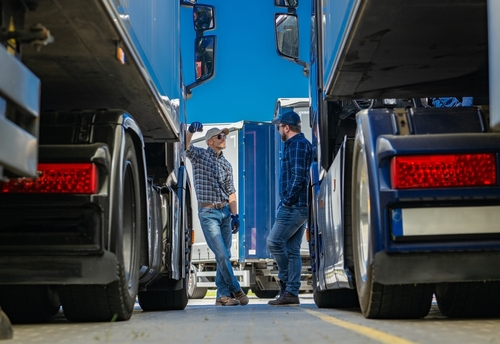
Understanding Your Legal Rights When Dealing with a Truck accident attorney in Dayton
When car accidents caused by driver negligence involve commercial trucks from other states, the legal landscape becomes significantly more complex. Federal Motor Carrier Safety Regulations (FMCSR) apply to all interstate truckers, creating a uniform standard that a truck accident attorney in Dayton can use to establish negligence. These regulations cover everything from hours of service limits to vehicle maintenance requirements, and violations can serve as powerful evidence in your case. Additionally, Ohio law allows you to pursue claims against both the out-of-state driver and their employer under the doctrine of vicarious liability, meaning the trucking company can be held responsible for their driver’s negligent actions.
💡 Pro Tip: Request the driver’s logbooks and the truck’s electronic logging device (ELD) data within days of the accident—this evidence can disappear quickly and often reveals hours-of-service violations.
Navigating the Claims Process for Interstate Trucking Accidents
The timeline for resolving an out-of-state trucking accident case differs significantly from typical car accident claims. Understanding these unique timelines helps set realistic expectations and ensures you don’t miss critical deadlines. Interstate trucking cases often involve multiple jurisdictions, federal regulations, and complex corporate structures that require careful navigation.
- Immediate Response (0-72 hours): Secure accident scene evidence, obtain police reports, and identify all potentially liable parties including the driver, trucking company, and cargo owners
- Initial Investigation (Week 1-4): Your attorney sends spoliation letters to preserve evidence, reviews Large Truck and Bus Crash Statistics, and begins analyzing federal safety records
- Jurisdiction Determination (Month 1-2): Establish where to file the lawsuit—Ohio courts typically have jurisdiction for accidents occurring within state borders, even with out-of-state defendants
- Discovery Phase (Months 3-12): Exchange information with multiple parties, depose witnesses across state lines, and review thousands of pages of trucking company records
- Settlement Negotiations (Months 6-18): Most cases settle during this phase, with trucking insurance companies often carrying policies worth millions
- Trial Preparation (Months 12-24): If settlement fails, prepare for trial with expert witnesses on trucking standards and accident reconstruction
💡 Pro Tip: Ohio’s statute of limitations for personal injury is two years, but evidence preservation letters should be sent within days to prevent trucking companies from destroying crucial records.
How Horenstein Nicholson & Blumenthal Tackles Complex Interstate Trucking Cases
When out-of-state truckers cause accidents in Ohio, victims need a truck accident attorney in Dayton who understands both state and federal transportation laws. Horenstein Nicholson & Blumenthal brings decades of experience handling these complex cases, with the resources to investigate accidents thoroughly and hold negligent trucking companies accountable. Our firm knows how to navigate the jurisdictional challenges, work with accident reconstruction experts, and negotiate with large trucking insurers who often try to minimize payouts. We understand that these accidents often result in catastrophic injuries requiring extensive medical treatment and long-term care, and we fight to ensure you receive full compensation for all your damages.
💡 Pro Tip: Choose a law firm with experience in federal trucking regulations—local attorneys may not have the specialized knowledge needed to identify all violations and liable parties.
Jurisdiction Challenges and Multi-State Legal Complexities
One of the most challenging aspects of accidents involving out-of-state truckers is determining where and how to pursue your claim. While the accident occurred in Ohio, the trucker may be licensed in another state, work for a company headquartered elsewhere, and carry insurance from yet another jurisdiction. A truck accident attorney in Dayton must navigate these jurisdictional puzzles to ensure your case is filed properly. Ohio courts generally have personal jurisdiction over out-of-state defendants who cause accidents within state borders, but serving legal papers and compelling participation can require additional steps.
Federal vs. State Law Applications
Interstate trucking accidents create a unique blend of federal and state law applications. While FMCSA regulations provide the safety standards, Ohio law governs issues like comparative negligence and damage calculations. For instance, Ohio’s modified comparative negligence rule means you can recover damages as long as you’re not more than 50% at fault, but this percentage will reduce your recovery. Understanding how these laws interact requires working with a truck accident attorney in Dayton who regularly handles interstate commerce cases.
💡 Pro Tip: Keep records of all communications with out-of-state insurance adjusters—they may try to apply their home state’s laws, which could be less favorable to your claim.
Maximizing Compensation from Out-of-State Trucking Companies
Out-of-state trucking companies often carry substantial insurance policies—federal law requires minimum coverage of $750,000 for general freight and up to $5 million for hazardous materials. However, accessing these policies requires understanding the complex corporate structures many trucking companies use. Some drivers are independent contractors, while others are employees, and the truck itself might be owned by a third party or leasing company. When you consult a lawyer experienced in trucking litigation, they can identify all available insurance coverage and assets to maximize your recovery.
Types of Damages in Interstate Trucking Accidents
Victims of out-of-state trucker accidents may recover various types of damages under Ohio law. Economic damages include medical expenses, lost wages, and property damage—all of which must be carefully documented. Non-economic damages compensate for pain and suffering, emotional distress, and loss of enjoyment of life. In cases involving particularly egregious conduct, such as a trucker falsifying logbooks or driving under the influence, punitive damages may also be available. Given the severity of many trucking accidents, working with a truck accident attorney in Dayton helps ensure all potential damages are properly calculated and pursued.
💡 Pro Tip: Document how your injuries affect daily activities—trucking insurers often dispute non-economic damages without detailed evidence of life impact.
Frequently Asked Questions
Jurisdictional and Legal Process Questions
Understanding the unique challenges of out-of-state trucking accidents helps victims make informed decisions about their legal options. These cases involve multiple jurisdictions, federal regulations, and complex insurance issues that don’t arise in typical car accidents.
💡 Pro Tip: Prepare a list of specific questions about your accident before meeting with an attorney—interstate cases have unique considerations that generic legal advice may not address.
Compensation and Recovery Concerns
Victims often worry about whether out-of-state trucking companies will honor Ohio judgments or if they’ll face additional hurdles in recovering compensation. Understanding the legal mechanisms available provides peace of mind during an already stressful time.
💡 Pro Tip: Ask potential attorneys about their experience enforcing judgments against out-of-state defendants—this expertise becomes crucial if trucking companies resist payment.
1. Can I sue an out-of-state trucking company in Ohio courts?
Yes, Ohio courts have jurisdiction over out-of-state trucking companies when their drivers cause accidents within state borders. The key is that the company purposefully directed activities toward Ohio by sending their trucks through the state. Your attorney will file the lawsuit in the appropriate Ohio court and serve the out-of-state defendants according to specific procedural rules.
2. What if the trucker’s insurance company is based in another state?
Insurance companies doing business related to accidents in Ohio must comply with Ohio insurance laws, regardless of where they’re headquartered. They cannot force you to travel to another state or apply less favorable laws. However, they may try to transfer the case or argue about applicable law, making it essential to work with an experienced attorney.
3. How do federal trucking regulations affect my accident claim?
Federal Motor Carrier Safety Regulations create strict standards for hours of service, vehicle maintenance, driver qualifications, and cargo securement. Violations of these regulations can establish negligence per se, meaning the trucker is automatically considered negligent. Your attorney will obtain the driver’s logs, inspection reports, and compliance records to identify any violations.
4. What evidence disappears quickly in trucking accident cases?
Electronic logging device data, dashboard camera footage, and GPS records may be overwritten within days or weeks. Trucking companies are only required to preserve certain records for specific time periods. Additionally, drivers may be pressured to continue their routes, making them unavailable for statements. Immediate legal action ensures this crucial evidence is preserved.
5. How long do I have to file a lawsuit against an out-of-state trucker?
Ohio’s statute of limitations for personal injury claims is two years from the accident date. However, claims involving government entities or certain commercial insurance policies may have shorter notice requirements. Some trucking companies also have internal claim deadlines in their insurance policies. Contact an attorney immediately to ensure you don’t miss any critical deadlines.
Work with a Trusted Truck Accident Lawyer
Interstate trucking accidents demand specialized legal knowledge that goes beyond typical vehicle collision cases. When choosing legal representation, prioritize firms with specific experience handling FMCSA regulations, multi-jurisdictional litigation, and complex insurance coverage disputes. The right attorney will have established relationships with accident reconstruction experts, medical professionals who understand trucking-related injuries, and the resources to take on large trucking corporations. They should also offer clear communication about the unique challenges your case presents and realistic expectations for resolution timelines and potential recovery amounts.
If an out-of-state trucker has disrupted your peace, let Horenstein Nicholson & Blumenthal guide you through the legal complexities. Don’t face the labyrinth of claims and laws alone; reach out to us without delay. Pick up the phone and call 8882815930 or simply contact us.
Related Posts

What Is Substantial Aggravation of a Pre-Existing Condition in Ohio?
When a Work Injury Makes an Old Problem Much Worse Key Takeaways: In Ohio, a substantial aggravation of a pre-existing condition occurs when a work injury meaningfully worsens an existing health problem, compensable under R.C. § 4123.01(C)(4) only when documented by objective diagnostic findings, objective clinical findings, or objective test results, not subjective pain complaints alone. Ohio’s no-fault system means having a bad back, arthritic joints,…
READ MORE
What Is an MCS-90 Endorsement in a Dayton Truck Accident Claim?
How the MCS-90 Endorsement Truck Accident Protection Actually Works The endorsement is a promise made to the public, not just to the insured carrier. Under 49 CFR 387.15, the insurer agrees to pay any final judgment recovered against the insured for public liability arising from negligent operation of motor vehicles, up to the applicable minimum limit. Because the obligation runs to the public, courts have held…
READ MORE
What Is the No-Zone Around Trucks in Dayton, Ohio?
Understanding the Hidden Danger of Truck Blind Spots on Dayton Roads Key Takeaways: The no-zone is the set of blind spot areas at the front, back, and both sides of a large truck where a smaller vehicle disappears from the driver’s view, creating a core hazard on Dayton roads like I-75 and U.S. 35. The right side is the largest blind spot and the rear leaves…
READ MOREWhat Is a Hit and Run Injury Claim Under Ohio Law for Dayton Victims?
Understanding Your Rights After a Hit-Skip Crash in the Miami Valley Key Takeaways: A hit and run injury claim under Ohio law allows Dayton victims to seek compensation after a driver flees, primarily through their own uninsured motorist (UM) coverage, since Ohio treats a fleeing driver like an uninsured one. Recovery remains possible even when the driver is never identified, provided independent corroborating evidence such as…
READ MORE
Should Dayton Drivers Move a Car After a Minor Ohio Collision?
The Short Answer for Dayton Drivers Facing a Fender Bender Key Takeaways: Dayton drivers can move a car after a minor Ohio collision, but only after fulfilling their legal duties first. Ohio law requires you to stop immediately, remain at the scene, and exchange identifying information including name, address, and vehicle registration before repositioning any vehicle. Once you’ve met those duties and documented the original positions…
READ MORE
What Should Dayton Workers Weigh Before Accepting a Lump Sum Settlement?
Understanding Lump Sum Settlements in Ohio’s Workers’ Comp System Key Takeaways: Before accepting a lump sum settlement (LSS), Dayton workers should weigh immediate financial relief against long-term rights they may permanently give up. An LSS closes all or part of a claim for a one-time payment often discounted to present value. Either party can initiate a settlement under Ohio law, so an employer’s offer may reflect…
READ MORE
What Makes a Dayton Truck Accident Case Harder to Prove Than a Car Crash?
Why Trucking Claims Demand a Different Playbook Than Ordinary Crashes Key Takeaways: A Dayton truck accident case is harder to prove than a car crash because liability can be spread across multiple parties, the driver, carrier, maintenance provider, and cargo loaders, each with separate insurance and defense counsel. Evidence is more technical, requiring driver logs, hours-of-service data, maintenance records, and black box downloads held by trucking…
READ MOREGet HNB to Help You
What our client has to say

Laurie Ruscillo
in Google Reviews
“During a very difficult time, there was compassion and a truly dedicated effort from the staff for a favorable outcome with a disability claim from the Social Security Administration.”
Related Posts
What Is Substantial Aggravation of a Pre-Existing Condition in Ohio?
When a Work Injury Makes an Old Problem Much Worse Key Takeaways: In Ohio, a substantial aggravation of a pre-existing condition occurs when a work injury meaningfully worsens an existing health problem, compensable under R.C. § 4123.01(C)(4) only when documented by objective diagnostic findings, objective clinical findings, or objective test results, not subjective pain complaints alone. Ohio’s no-fault system means having a bad back, arthritic joints,…
READ MORE What Is an MCS-90 Endorsement in a Dayton Truck Accident Claim?
How the MCS-90 Endorsement Truck Accident Protection Actually Works The endorsement is a promise made to the public, not just to the insured carrier. Under 49 CFR 387.15, the insurer agrees to pay any final judgment recovered against the insured for public liability arising from negligent operation of motor vehicles, up to the applicable minimum limit. Because the obligation runs to the public, courts have held…
READ MORE What Is the No-Zone Around Trucks in Dayton, Ohio?
Understanding the Hidden Danger of Truck Blind Spots on Dayton Roads Key Takeaways: The no-zone is the set of blind spot areas at the front, back, and both sides of a large truck where a smaller vehicle disappears from the driver’s view, creating a core hazard on Dayton roads like I-75 and U.S. 35. The right side is the largest blind spot and the rear leaves…
READ MOREWhat Is a Hit and Run Injury Claim Under Ohio Law for Dayton Victims?
Understanding Your Rights After a Hit-Skip Crash in the Miami Valley Key Takeaways: A hit and run injury claim under Ohio law allows Dayton victims to seek compensation after a driver flees, primarily through their own uninsured motorist (UM) coverage, since Ohio treats a fleeing driver like an uninsured one. Recovery remains possible even when the driver is never identified, provided independent corroborating evidence such as…
READ MORE Should Dayton Drivers Move a Car After a Minor Ohio Collision?
The Short Answer for Dayton Drivers Facing a Fender Bender Key Takeaways: Dayton drivers can move a car after a minor Ohio collision, but only after fulfilling their legal duties first. Ohio law requires you to stop immediately, remain at the scene, and exchange identifying information including name, address, and vehicle registration before repositioning any vehicle. Once you’ve met those duties and documented the original positions…
READ MORE What Should Dayton Workers Weigh Before Accepting a Lump Sum Settlement?
Understanding Lump Sum Settlements in Ohio’s Workers’ Comp System Key Takeaways: Before accepting a lump sum settlement (LSS), Dayton workers should weigh immediate financial relief against long-term rights they may permanently give up. An LSS closes all or part of a claim for a one-time payment often discounted to present value. Either party can initiate a settlement under Ohio law, so an employer’s offer may reflect…
READ MORE What Makes a Dayton Truck Accident Case Harder to Prove Than a Car Crash?
Why Trucking Claims Demand a Different Playbook Than Ordinary Crashes Key Takeaways: A Dayton truck accident case is harder to prove than a car crash because liability can be spread across multiple parties, the driver, carrier, maintenance provider, and cargo loaders, each with separate insurance and defense counsel. Evidence is more technical, requiring driver logs, hours-of-service data, maintenance records, and black box downloads held by trucking…
READ MORE


Phone

Hours
AVAILABLE 24/7
OFFICES
Dayton, OH
220 E. Monument Ave.
Suite 305
Dayton, OH 45402