

Who Qualifies for Permanent Total Disability Benefits in Ohio?
Understanding Permanent Total Disability Under Ohio Workers’ Comp
Key Takeaways: Ohio workers may qualify for permanent total disability (PTD) in one of two ways under Ohio Revised Code § 4123.58(C): a statutory loss, or loss of use, of two listed body parts, or an allowed work-related impairment that keeps them from sustained remunerative employment. On the second path, the Industrial Commission weighs medical restrictions alongside vocational factors such as age, education, and work history. Generally, only conditions officially allowed in the claim count, and PTD may be denied if the inability to work comes from non-allowed conditions, age alone, unrelated retirement, or refusing helpful rehabilitation. PTD pays 66 2/3 percent of the worker’s average weekly wage, within limits tied to the statewide average weekly wage, and generally continues for life. Because a final denial generally means any new application needs proof of new and changed circumstances, preparing a strong first application is essential.
In Ohio, a worker may qualify for permanent total disability (PTD) in one of two ways. The first is a statutory loss, meaning the loss, or loss of use, of both hands, both arms, both feet, both legs, both eyes, or any two of these body parts. The second is a work-related impairment that keeps the worker from doing sustained remunerative employment. For injured workers in Dayton and across the state, PTD is generally the most significant benefit Ohio workers’ comp offers, because it can provide income for life.
If a workplace injury or occupational disease has ended your ability to work, you do not have to sort out the PTD process alone. The team at Horenstein Nicholson & Blumenthal helps injured Ohio workers gather evidence and present strong applications. Call 937-224-7200 or contact us now to talk about your claim.
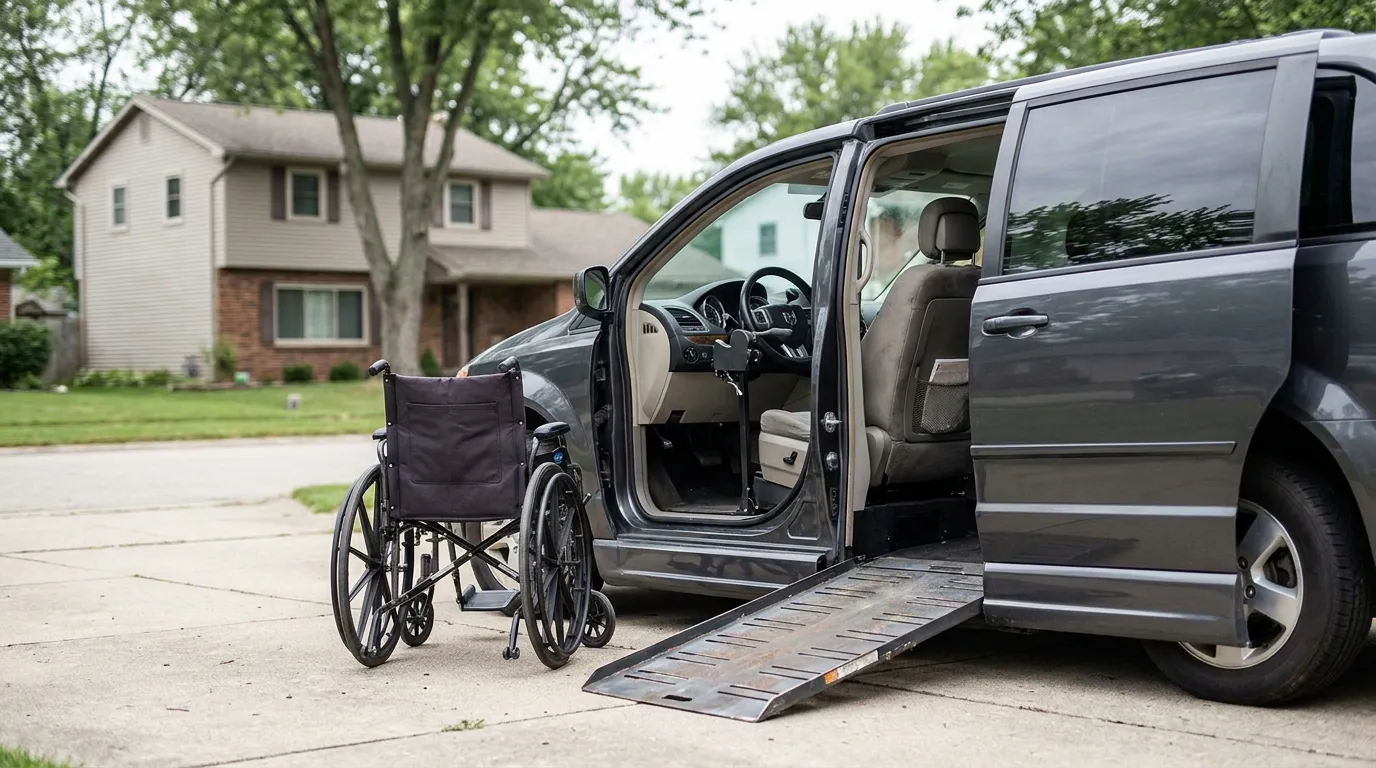
What Permanent Total Disability Means in Ohio
Permanent total disability is a benefit for workers whose allowed work injury or occupational disease permanently prevents them from doing sustained remunerative employment. It differs from temporary total disability, which covers time away from work during recovery, and from permanent partial disability, which compensates for lasting impairment that does not prevent all work. The Ohio workers’ comp glossary from the Ohio Self Insurers Association uses Ohio BWC and Industrial Commission terms, not definitions from other states.
The governing statute is Ohio Revised Code § 4123.58, which sets out eligibility, payment rates, and grounds for denial. The Industrial Commission of Ohio decides PTD applications, and its hearing officers review the medical and vocational evidence.
Two Paths to Ohio BWC Permanent Total Disability
Under Ohio Revised Code § 4123.58(C), a worker may establish PTD through a statutory loss or through an inability to work. Each path calls for different proof, so identify early which one applies to you.
Path One: Statutory Loss of Body Parts
Under Ohio Revised Code § 4123.58(C)(1), some losses count as PTD without further proof that the worker cannot work. These include the loss, or loss of use, of:
- Both hands or both arms
- Both feet or both legs
- Both eyes
- Any two of the body parts listed above
Ohio courts have addressed how this standard applies when an injury affects more than one part of the same limb. In State ex rel. Thomas v. Industrial Commission (2002) and later in State ex rel. Johns Manville International v. Housman (2005), Ohio courts held that losing the use of an arm and the hand on that same arm can meet the “any two” standard, because the arm and its attendant hand are treated as two separate body parts for this purpose, rather than as a single loss. Medical records documenting each loss are essential.
Path Two: Inability to Perform Sustained Remunerative Employment
The most common PTD question arises under Ohio Revised Code § 4123.58(C)(2), which covers impairments that keep the worker from sustained remunerative employment. The Industrial Commission measures this against the job skills the worker has now or could reasonably develop. The outcome generally turns on skills and employability, not just the diagnosis.
When a claim does not involve a statutory loss, the Commission generally applies vocational factors often called the “Stephenson factors.” These come from the Ohio Supreme Court’s decision in State ex rel. Stephenson v. Industrial Commission (1987). They include age, education, and work history, weighed together with the medical restrictions from the allowed conditions. A 60-year-old warehouse worker with limited education and a career of heavy lifting may present a very different picture than a younger worker with transferable office skills, even with similar medical restrictions.
💡 Pro Tip: Ask your treating physician to describe your functional limits in specific terms, such as how long you can sit, stand, or lift. Vague statements like “unable to work” may carry less weight than detailed restrictions tied to your allowed conditions.
Why Allowed Conditions Matter
PTD eligibility depends on the conditions officially allowed in your claim, not every health problem you have. If a condition caused by the injury, such as depression or a secondary back problem, has never been formally allowed, the Commission will not consider it. Asking to add those conditions before filing for PTD can affect the result.
Common Reasons Ohio Denies PTD Applications
Ohio Revised Code § 4123.58(D)(1) through (4) says PTD shall not be granted when the inability to work is caused by any of the following, alone or together:
- Impairments that are not part of the allowed injury or occupational disease
- Age or aging alone
- Retirement or leaving work for reasons unrelated to the allowed condition
- Not taking part in education or rehabilitation to improve employability, unless those efforts would be in vain
The rehabilitation factor is a frequent stumbling block. If you declined offered vocational rehabilitation, the Commission may view that as a choice not to improve your employability. If your condition made rehabilitation pointless, medical documentation supporting that conclusion can help.
💡 Pro Tip: If you retired or left your job, keep records showing the reason was your work injury. Such evidence may help address a voluntary-retirement challenge.
How Much PTD Pays and How Long It Lasts
Under Ohio Revised Code § 4123.58(A), PTD pays 66 2/3 percent of the worker’s average weekly wage (AWW), subject to limits tied to the statewide average weekly wage (SAWW). Unlike temporary total disability, PTD has no set end date and generally continues for the rest of the worker’s life.
| Payment Rule | How It Works |
|---|---|
| Base rate | 66 2/3% of the worker’s average weekly wage |
| Weekly maximum | 66 2/3% of the SAWW on the date of injury or disease onset |
| Weekly minimum | 50% of that SAWW |
| Low-wage exception | If the worker’s AWW was below 50% of the SAWW, the worker generally receives their actual AWW |
| Duration | Generally paid until the worker’s death |
Interaction With Social Security Disability
Ohio Revised Code § 4123.58(B) offers added protection for workers who also receive Social Security disability benefits. If the PTD award plus Social Security disability adds up to less than the SAWW, the weekly maximum may rise to the full SAWW. If Social Security disability benefits later end or are reduced, the PTD award is recalculated.
Scheduled Loss Benefits and Special Situations
Under Ohio Revised Code § 4123.58(E), PTD is generally paid in addition to scheduled loss benefits for loss of body parts under Ohio Revised Code § 4123.57(B). Additionally, under Ohio Revised Code § 4123.58(F), a worker awarded PTD because of a traumatic brain injury may keep the award while working in a sheltered workshop, as long as they earn no more than $2,000 in any calendar quarter.
Why Your First PTD Application Matters Most
Under Ohio Revised Code § 4123.58(G), if the Industrial Commission issues a final order denying PTD, a new application for the same injury or disease requires evidence of new and changed circumstances. A weak first application can make later attempts much harder.
A strong application generally includes current medical opinions, vocational evidence, and a clear record of your work history and education. Many workers find it useful to have an Ohio BWC permanent total disability lawyer review the file before submission. Outcomes always depend on the specific facts and evidence in each claim.
💡 Pro Tip: Before filing, request a complete copy of your claim file and confirm every allowed condition. Gaps in the record are easier to fix before a hearing than after a denial.
Frequently Asked Questions
1. Can I qualify for PTD if I can still do some light work?
Possibly. It depends on whether you can do sustained remunerative employment. The Commission considers your restrictions together with your age, education, and work history. Doing some light work does not automatically defeat a claim, but if the Commission finds you can sustain paid employment, PTD will generally be denied.
2. Does my age alone qualify me for PTD?
No. Under Ohio Revised Code § 4123.58(D)(2), PTD cannot be granted when age or aging alone is what keeps you from working. However, age can be weighed as one vocational factor alongside your allowed conditions.
3. Will PTD stop if I start receiving Social Security?
No. PTD does not end just because you start receiving Social Security disability. Under Ohio Revised Code § 4123.58(B), the combined amount can affect your weekly maximum, and if your Social Security disability benefits end or are reduced, your PTD award is recalculated.
4. What happens if my PTD application is denied?
A denial can generally be challenged through the Industrial Commission’s process, subject to applicable deadlines. If the denial becomes final, a new application for the same claim requires new and changed circumstances under Ohio Revised Code § 4123.58(G). Acting promptly is important.
5. Can I receive PTD and scheduled loss benefits together?
Generally, yes. Under Ohio Revised Code § 4123.58(E), PTD may be paid in addition to scheduled loss benefits. This can matter for workers who suffered amputations or loss of use of a body part.
Moving Forward With Your Ohio BWC Claim
PTD eligibility in Ohio generally depends on either a statutory loss of body parts or a proven inability to perform sustained remunerative employment because of your allowed conditions. The Industrial Commission may deny claims based on non-allowed conditions, age alone, unrelated retirement, or refusal of rehabilitation. Because a final denial can limit future applications, careful preparation is essential. For more guidance, explore our Ohio workers’ comp resources.
If you believe you may qualify for PTD, a conversation about your claim can help clarify your options. Reach out to Horenstein Nicholson & Blumenthal by calling 937-224-7200, or schedule your consultation today to discuss your Dayton workers’ compensation case.
Disclaimer: This content is for informational purposes only and is not legal advice. Every case is unique, and results may vary. Consult an attorney about your specific circumstances.
Related Posts

What Is Ohio’s Maximum Weekly Workers’ Comp Disability Payment in 2026?
How Ohio Caps Weekly TTD Checks for Injured Workers in 2026 Key Takeaways: Ohio’s statutes don’t set a fixed dollar maximum for weekly temporary total disability (TTD) payments in 2026. Instead, the maximum generally equals the statewide average weekly wage (SAWW), adjusted every January 1 and published by the Ohio BWC. For the first 12 weeks, TTD generally pays 72 percent of your full weekly…
READ MORE
What Is a C-9 Treatment Denial in Dayton, Ohio Workers’ Comp Claims?
When Your Doctor’s Treatment Request Gets Turned Down in an Ohio Work Injury Claim Key Takeaways: A C-9 treatment denial occurs when an MCO, the Ohio Bureau of Workers’ Compensation, or a self-insuring employer refuses to authorize care your physician requested on the C-9 form. It generally signals a dispute over medical necessity or claim relatedness, not the end of your claim. Denials commonly stem…
READ MORE
When Does the Filing Clock Start on a Dayton, Ohio Work Injury Claim?
Understanding the Ohio Workers’ Comp Claim Filing Deadline After a Dayton Workplace Injury Key Takeaways: In most Ohio work injury cases, the filing clock generally starts on the date of injury, and the claim must generally be filed within one year under O.R.C. § 4123.84 for injuries on or after September 29, 2017, with a two-year period generally applying before that date. Occupational disease claims…
READ MORE
What Is Ohio’s 14-Day Workers’ Comp Appeal Deadline for Dayton Workers?
Why Two Weeks Can Decide the Future of Your Ohio Workers’ Comp Claim Key Takeaways: Ohio’s 14-day workers’ comp appeal deadline means that after BWC or the Industrial Commission issues a written order, a party who disagrees generally has 14 days from receipt to file an appeal under R.C. 4123.511. Ohio decision-makers generally presume an order was received within a reasonable time after mailing, so…
READ MORE
What Is Ohio’s 90-Day Notice Rule for Workers’ Comp Retaliation?
Protecting Your Job After a Work Injury: Ohio’s Retaliation Notice Deadline Explained Key Takeaways: Ohio Revised Code § 4123.90 prohibits employers from discharging, demoting, reassigning, or otherwise punishing an employee for filing or participating in a workers’ compensation claim. To enforce that protection, the employee must give the employer written notice of the alleged violation within 90 days of the punitive action; missing that window…
READ MORE
How Dayton Workers Qualify for Working Wage Loss After Light-Duty Return
Returning to Lighter Work in Dayton but Earning Less? Ohio Law May Cover the Difference Key Takeaways: Dayton workers who return to light-duty jobs that pay less than their pre-injury position may qualify for working wage loss compensation under Ohio Revised Code § 4123.56. Qualifying requires an allowed claim, current physician-imposed restrictions preventing a return to the former position, actual employment at reduced earnings, and…
READ MORE
How to File a VSSR Application Within One Year of a Dayton Work Injury
Why Ohio’s Safety Violation Deadline Moves Faster Than Most Injured Workers Expect Key Takeaways: A VSSR (Violation of a Specific Safety Requirement) award is an additional payment of 15 to 50 percent of maximum weekly compensation, paid by the employer on top of regular Ohio workers’ compensation benefits. For injuries on or after September 15, 2020, H.B. 81 shortened the filing window to one year from…
READ MOREGet HNB to Help You
What our client has to say

Laurie Ruscillo
in Google Reviews
“During a very difficult time, there was compassion and a truly dedicated effort from the staff for a favorable outcome with a disability claim from the Social Security Administration.”
Related Posts
What Is Ohio’s Maximum Weekly Workers’ Comp Disability Payment in 2026?
How Ohio Caps Weekly TTD Checks for Injured Workers in 2026 Key Takeaways: Ohio’s statutes don’t set a fixed dollar maximum for weekly temporary total disability (TTD) payments in 2026. Instead, the maximum generally equals the statewide average weekly wage (SAWW), adjusted every January 1 and published by the Ohio BWC. For the first 12 weeks, TTD generally pays 72 percent of your full weekly…
READ MORE What Is a C-9 Treatment Denial in Dayton, Ohio Workers’ Comp Claims?
When Your Doctor’s Treatment Request Gets Turned Down in an Ohio Work Injury Claim Key Takeaways: A C-9 treatment denial occurs when an MCO, the Ohio Bureau of Workers’ Compensation, or a self-insuring employer refuses to authorize care your physician requested on the C-9 form. It generally signals a dispute over medical necessity or claim relatedness, not the end of your claim. Denials commonly stem…
READ MORE When Does the Filing Clock Start on a Dayton, Ohio Work Injury Claim?
Understanding the Ohio Workers’ Comp Claim Filing Deadline After a Dayton Workplace Injury Key Takeaways: In most Ohio work injury cases, the filing clock generally starts on the date of injury, and the claim must generally be filed within one year under O.R.C. § 4123.84 for injuries on or after September 29, 2017, with a two-year period generally applying before that date. Occupational disease claims…
READ MORE What Is Ohio’s 14-Day Workers’ Comp Appeal Deadline for Dayton Workers?
Why Two Weeks Can Decide the Future of Your Ohio Workers’ Comp Claim Key Takeaways: Ohio’s 14-day workers’ comp appeal deadline means that after BWC or the Industrial Commission issues a written order, a party who disagrees generally has 14 days from receipt to file an appeal under R.C. 4123.511. Ohio decision-makers generally presume an order was received within a reasonable time after mailing, so…
READ MORE What Is Ohio’s 90-Day Notice Rule for Workers’ Comp Retaliation?
Protecting Your Job After a Work Injury: Ohio’s Retaliation Notice Deadline Explained Key Takeaways: Ohio Revised Code § 4123.90 prohibits employers from discharging, demoting, reassigning, or otherwise punishing an employee for filing or participating in a workers’ compensation claim. To enforce that protection, the employee must give the employer written notice of the alleged violation within 90 days of the punitive action; missing that window…
READ MORE How Dayton Workers Qualify for Working Wage Loss After Light-Duty Return
Returning to Lighter Work in Dayton but Earning Less? Ohio Law May Cover the Difference Key Takeaways: Dayton workers who return to light-duty jobs that pay less than their pre-injury position may qualify for working wage loss compensation under Ohio Revised Code § 4123.56. Qualifying requires an allowed claim, current physician-imposed restrictions preventing a return to the former position, actual employment at reduced earnings, and…
READ MORE How to File a VSSR Application Within One Year of a Dayton Work Injury
Why Ohio’s Safety Violation Deadline Moves Faster Than Most Injured Workers Expect Key Takeaways: A VSSR (Violation of a Specific Safety Requirement) award is an additional payment of 15 to 50 percent of maximum weekly compensation, paid by the employer on top of regular Ohio workers’ compensation benefits. For injuries on or after September 15, 2020, H.B. 81 shortened the filing window to one year from…
READ MORE


Phone

Hours
AVAILABLE 24/7
OFFICES
Dayton, OH
220 E. Monument Ave.
Suite 305
Dayton, OH 45402