

5 Days to Report Your Dayton Car Accident: How Attorneys Ensure Compliance
Your Clock is Ticking: Ohio’s Strict Accident Reporting Deadline
If you’ve been in a car accident, you’re probably dealing with insurance calls, medical appointments, and vehicle repairs. What you might not realize is that Ohio law gives you just five days to file your accident report with the BMV, and missing this deadline could jeopardize your entire claim. Beyond the immediate stress of the accident itself, drivers face a maze of legal requirements that can feel overwhelming when you’re already dealing with injuries or property damage. Understanding these obligations isn’t just about following rules – it’s about protecting your right to fair compensation and avoiding additional legal complications that could make a difficult situation even worse.
💡 Pro Tip: Mark your calendar immediately after an accident – the five-day countdown starts from the accident date, not when you feel ready to deal with paperwork.
Don’t let Ohio’s strict deadlines catch you off guard—ensure your rights are protected with the guidance of Horenstein Nicholson & Blumenthal. Ready to take the first step? Call us at 9372247200 or contact us to get started.
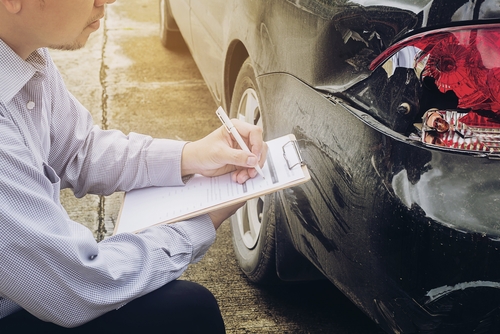
Ohio’s Mandatory Reporting Requirements Every Car Accident Attorney in Dayton Knows
Ohio law creates specific obligations for drivers involved in accidents, and these requirements apply whether you’re on Interstate 75 or in a private parking lot. After any collision, you must remain at the scene and exchange information with all involved parties, including your full name, address, driver’s license number, vehicle registration details, and insurance information. If you hit an unattended vehicle or property, you’re legally required to leave a note with your contact and insurance information in a visible location. These aren’t just courtesy measures – they’re legal requirements that, if ignored, can result in hit-and-run charges that transform a civil matter into a criminal one. Working with a car accident attorney in Dayton becomes essential when these obligations intersect with injury claims, as the documentation you create in those first moments can significantly impact your ability to recover damages later.
💡 Pro Tip: Take photos of the other driver’s license and insurance card rather than just writing down the information – this prevents errors and provides backup documentation.
The Critical Five-Day Window: Your Reporting Timeline Explained
Ohio’s accident reporting timeline moves faster than many drivers expect, creating pressure to act quickly while you’re still processing what happened. The state requires specific actions within tight deadlines, and understanding this timeline helps ensure you don’t accidentally forfeit important legal rights. Each step builds on the previous one, creating a comprehensive record that protects your interests if disputes arise later.
- Immediately at the scene: Call 911 if injuries occur or property damage appears to exceed $1,000 – Ohio law requires police notification in these circumstances
- Within 24 hours: Contact your insurance company to initiate the claims process, as most policies require prompt notification
- Within 5 days: File the Ohio BMV 3303 crash report form if police didn’t investigate the scene – this applies to accidents with injury, death, or property damage over $1,000
- Within 30 days: Gather witness statements and additional documentation while memories remain fresh and evidence is still available
- Before the two-year mark: File any personal injury lawsuit, as Ohio’s statute of limitations for negligence claims expires two years from the accident date
💡 Pro Tip: Download the BMV 3303 form immediately after your accident and start filling it out while details are fresh – you can complete it over several days before submitting.
How Legal Representation Ensures Proper Compliance and Protects Your Claim
Meeting Ohio’s car accident reporting requirements involves more than just filling out forms – it requires strategic documentation that preserves your legal rights while avoiding statements that could harm your claim. A car accident attorney in Dayton understands how to navigate these requirements while building a strong foundation for your case. When you work with experienced legal counsel like Horenstein Nicholson & Blumenthal, you gain an advocate who ensures every deadline is met, every form is properly completed, and every piece of documentation supports your right to fair compensation. This becomes particularly important when dealing with comparative negligence issues, as Ohio’s modified comparative negligence rule means you can recover damages as long as you’re not more than 50% at fault for the accident. The way you document and report the accident can directly impact how fault is ultimately assigned.
💡 Pro Tip: Never admit fault or speculate about the accident’s cause in your reports – stick to factual observations and let legal professionals help interpret what happened.
Documentation Strategies That Strengthen Your Position
Proper documentation goes beyond meeting minimum legal requirements – it creates the evidence foundation that can make or break your claim. Smart drivers understand that every photo, every witness contact, and every medical record serves a purpose in building their case. The car accident attorney in Dayton you choose will use this documentation to construct a narrative that clearly demonstrates liability and damages. Modern technology makes this easier than ever, with smartphones capable of capturing high-quality photos and videos that preserve crucial details insurance adjusters and attorneys need to see.
Essential Evidence Collection at the Scene
Your phone becomes your most valuable tool immediately after an accident, allowing you to capture evidence that might disappear within hours. Take photos from multiple angles showing vehicle positions, skid marks, traffic signs, weather conditions, and any visible injuries. Don’t forget to photograph seemingly minor details like broken glass patterns or fluid leaks – these can help accident reconstruction experts determine crucial facts about speed and impact. Many drivers also benefit from using voice recordings to capture their immediate observations, as these contemporaneous accounts often carry significant weight when memories fade or disputes arise about what really happened.
💡 Pro Tip: Use your phone’s panoramic photo feature to capture the entire accident scene in one comprehensive image that shows the relationship between vehicles, road conditions, and traffic controls.
Common Reporting Mistakes That Jeopardize Claims
Even well-intentioned drivers make critical errors when reporting accidents, often because they’re stressed, injured, or simply unaware of how their words might be interpreted later. Understanding these pitfalls helps you avoid them, protecting your right to fair compensation. Each mistake creates an opportunity for insurance companies to reduce or deny your claim, making it essential to approach reporting with careful consideration of long-term implications.
Statements That Can Haunt Your Case
Insurance adjusters are trained to listen for specific phrases that suggest you’re accepting blame, even when that’s not your intent. Saying “I’m sorry” might be polite, but it can be twisted into an admission of fault. Similarly, speculating about what you “should have” done differently provides ammunition for arguments that you contributed to the accident. When you consult a lawyer before making detailed statements, you learn how to describe events accurately without inadvertently harming your position. This becomes especially important given Ohio’s comparative negligence rules, where even partial fault can reduce your recovery.
💡 Pro Tip: Prepare a brief, factual statement before calling your insurance company – having it written down helps you avoid speculation or emotional responses that could be misinterpreted.
Frequently Asked Questions
Understanding Ohio’s Accident Reporting Requirements
Drivers often have urgent questions about their obligations following an accident, particularly when injuries or significant damage occur. These concerns multiply when facing tight deadlines and complex forms. Getting clear answers helps you take appropriate action while protecting your legal interests.
💡 Pro Tip: Keep a list of questions for your attorney – having them written down ensures you don’t forget important concerns during your consultation.
Navigating the Claims Process
The path from accident to fair compensation involves multiple steps, each with its own requirements and potential complications. Understanding what lies ahead helps reduce anxiety while ensuring you’re prepared for each stage of the process.
💡 Pro Tip: Create a dedicated folder (physical or digital) for all accident-related documents – organization now saves time and stress throughout your claim.
1. What happens if I miss Ohio’s five-day deadline for filing my accident report?
Missing the deadline can result in license suspension and may complicate your insurance claim. However, if you have a valid reason for the delay, such as hospitalization, an attorney can help explain the circumstances to authorities and work to minimize consequences while protecting your claim rights.
2. Do I need to file an Ohio BMV 3303 crash report form if police came to the scene?
If law enforcement investigated your accident and filed an official report, you typically don’t need to submit a separate BMV 3303 form. However, verify that the police report was actually filed and contains accurate information, as errors or omissions could still require additional documentation.
3. Can I still recover damages if I was partially at fault for my Dayton car accident?
Yes, Ohio follows a modified comparative negligence rule allowing recovery if you’re not more than 50% at fault. Your compensation gets reduced by your percentage of fault, making accurate documentation and strong legal representation crucial for minimizing fault attribution.
4. Should I speak with the other driver’s insurance company before consulting an attorney?
It’s generally advisable to consult with an attorney before giving any recorded statement to another insurance company. They’re looking for ways to minimize their payout, and even innocent comments can be used against you later in the claims process.
5. What if the other driver leaves the scene before we can exchange information?
Call 911 immediately to report the hit-and-run, then document everything you remember about the vehicle and driver. Your uninsured motorist coverage may apply, and an attorney can help investigate using traffic cameras, witness accounts, and other resources to identify the responsible party.
Work with a Trusted Car Accidents Lawyer
When facing Ohio’s strict accident reporting requirements and tight deadlines, having knowledgeable legal guidance makes the difference between a properly documented claim and costly mistakes. The car accident reporting requirements in Ohio create multiple opportunities for errors that could reduce or eliminate your compensation. Experienced attorneys understand these requirements inside and out, ensuring every form is properly completed, every deadline is met, and every piece of documentation supports your right to full and fair compensation. They also handle direct communication with insurance companies, protecting you from making statements that could be misconstrued or used to reduce your claim value. Perhaps most importantly, skilled legal representation levels the playing field when you’re facing insurance companies with teams of adjusters and attorneys working to minimize their payout.
Secure your peace of mind today with the dedicated support of Horenstein Nicholson & Blumenthal. Our team is ready to assist you in navigating the complexities of accident reporting laws. Don’t wait—call us at 9372247200 or contact us now to ensure your rights are fully protected.
Related Posts

How to Protect a Dayton Car Accident Claim From Adjuster Tactics
Why Dayton Drivers Lose Value on Otherwise Strong Claims Key Takeaways: Insurance adjusters minimize payouts using predictable tactics like delays, lowball offers, recorded statements, and inflated fault arguments. To protect a Dayton car accident claim, know what to do after a crash in Ohio before signing anything or giving a statement. Document the scene, seek prompt medical care, and preserve all evidence. Understand Ohio’s modified comparative…
READ MORE
Why Are Truck Accident Injuries More Severe Than Car Crash Injuries in Dayton?
The Physics and Law Behind Severe Truck Crash Injuries in the Miami Valley Key Takeaways: Truck accident injuries are far more severe than car crash injuries because commercial trucks weigh 20-30 times more than passenger vehicles, generating crash forces that smaller cars cannot absorb. Height differences create deadly underride risks, while longer stopping distances increase impact speeds. National data confirms occupants of smaller vehicles suffer the…
READ MORE
What Is Negligence Per Se in a Dayton Truck Accident Case?
Understanding How Traffic Violations Can Prove Fault After a Dayton Truck Crash Key Takeaways: Negligence per se lets an injured person establish a truck driver’s breach of duty by showing the driver violated a safety statute, replacing the usual “reasonable person” standard with an objective statutory one. In Dayton truck accident cases, this often involves violations of Ohio’s traffic laws under Chapter 4511, including speeding, reckless…
READ MORE
What Is a Subrogation Claim After a Dayton Car Accident?
Understanding How Insurers Recover Money After an Ohio Crash Key Takeaways: A subrogation claim allows an insurer, auto carrier, or the Ohio Bureau of Workers’ Compensation to recover money paid on your behalf from any settlement with the at-fault driver. Multiple entities can assert these rights, including private health insurers, self-funded employer plans, government payers, and auto carriers paying medical or underinsured motorist benefits. Ohio law…
READ MORE
What Is Ohio’s OVI Law and How Does It Affect Dayton Crash Victims?
Understanding Ohio’s Impaired Driving Laws After a Dayton Crash Key Takeaways: Ohio’s OVI law, codified at R.C. 4511.19, prohibits operating any vehicle while under the influence of alcohol, drugs, or a combination, with per se limits of 0.08 percent BAC and a 0.17 percent high-test threshold. When an impaired driver causes a Dayton crash, the same conduct supporting criminal charges establishes breach of duty in a…
READ MORE
How to Request a Truck’s Black Box Data After a Dayton Crash
Why Electronic Truck Data Can Make or Break Your Claim Key Takeaways: Modern commercial trucks store electronic data from the Electronic Control Module (ECM) and Electronic Logging Device (ELD) that reveals speed, braking, engine load, and driver hours before a crash. To request truck black box data after a Dayton crash, you must act fast and send a formal spoliation letter to the carrier, as ECM…
READ MORE
What Is a Diminished Value Claim After a Dayton Car Accident?
Understanding Vehicle Value Loss After an Ohio Collision Key Takeaways: A diminished value claim recovers the market value your car loses after a collision, even when repairs restore it to like-new condition, because a recorded accident history reduces what buyers pay. In Ohio, this loss is property damage recoverable from the at-fault driver, supported by Falter v. City of Toledo and Rakich, which allow recovery of…
READ MOREGet HNB to Help You
What our client has to say

Laurie Ruscillo
in Google Reviews
“During a very difficult time, there was compassion and a truly dedicated effort from the staff for a favorable outcome with a disability claim from the Social Security Administration.”
Related Posts
How to Protect a Dayton Car Accident Claim From Adjuster Tactics
Why Dayton Drivers Lose Value on Otherwise Strong Claims Key Takeaways: Insurance adjusters minimize payouts using predictable tactics like delays, lowball offers, recorded statements, and inflated fault arguments. To protect a Dayton car accident claim, know what to do after a crash in Ohio before signing anything or giving a statement. Document the scene, seek prompt medical care, and preserve all evidence. Understand Ohio’s modified comparative…
READ MORE Why Are Truck Accident Injuries More Severe Than Car Crash Injuries in Dayton?
The Physics and Law Behind Severe Truck Crash Injuries in the Miami Valley Key Takeaways: Truck accident injuries are far more severe than car crash injuries because commercial trucks weigh 20-30 times more than passenger vehicles, generating crash forces that smaller cars cannot absorb. Height differences create deadly underride risks, while longer stopping distances increase impact speeds. National data confirms occupants of smaller vehicles suffer the…
READ MORE What Is Negligence Per Se in a Dayton Truck Accident Case?
Understanding How Traffic Violations Can Prove Fault After a Dayton Truck Crash Key Takeaways: Negligence per se lets an injured person establish a truck driver’s breach of duty by showing the driver violated a safety statute, replacing the usual “reasonable person” standard with an objective statutory one. In Dayton truck accident cases, this often involves violations of Ohio’s traffic laws under Chapter 4511, including speeding, reckless…
READ MORE What Is a Subrogation Claim After a Dayton Car Accident?
Understanding How Insurers Recover Money After an Ohio Crash Key Takeaways: A subrogation claim allows an insurer, auto carrier, or the Ohio Bureau of Workers’ Compensation to recover money paid on your behalf from any settlement with the at-fault driver. Multiple entities can assert these rights, including private health insurers, self-funded employer plans, government payers, and auto carriers paying medical or underinsured motorist benefits. Ohio law…
READ MORE What Is Ohio’s OVI Law and How Does It Affect Dayton Crash Victims?
Understanding Ohio’s Impaired Driving Laws After a Dayton Crash Key Takeaways: Ohio’s OVI law, codified at R.C. 4511.19, prohibits operating any vehicle while under the influence of alcohol, drugs, or a combination, with per se limits of 0.08 percent BAC and a 0.17 percent high-test threshold. When an impaired driver causes a Dayton crash, the same conduct supporting criminal charges establishes breach of duty in a…
READ MORE How to Request a Truck’s Black Box Data After a Dayton Crash
Why Electronic Truck Data Can Make or Break Your Claim Key Takeaways: Modern commercial trucks store electronic data from the Electronic Control Module (ECM) and Electronic Logging Device (ELD) that reveals speed, braking, engine load, and driver hours before a crash. To request truck black box data after a Dayton crash, you must act fast and send a formal spoliation letter to the carrier, as ECM…
READ MORE What Is a Diminished Value Claim After a Dayton Car Accident?
Understanding Vehicle Value Loss After an Ohio Collision Key Takeaways: A diminished value claim recovers the market value your car loses after a collision, even when repairs restore it to like-new condition, because a recorded accident history reduces what buyers pay. In Ohio, this loss is property damage recoverable from the at-fault driver, supported by Falter v. City of Toledo and Rakich, which allow recovery of…
READ MORE


Phone

Hours
AVAILABLE 24/7
OFFICES
Dayton, OH
220 E. Monument Ave.
Suite 305
Dayton, OH 45402