

What Is Ohio’s OVI Law and How Does It Affect Dayton Crash Victims?
Understanding Ohio’s Impaired Driving Laws After a Dayton Crash
Key Takeaways: Ohio’s OVI law, codified at R.C. 4511.19, prohibits operating any vehicle while under the influence of alcohol, drugs, or a combination, with per se limits of 0.08 percent BAC and a 0.17 percent high-test threshold. When an impaired driver causes a Dayton crash, the same conduct supporting criminal charges establishes breach of duty in a civil negligence claim. Ohio’s implied consent rules under R.C. 4511.191 and 4511.192 govern chemical testing, refusals, and administrative license suspensions. To recover compensation, you must prove duty, breach, causation, and damages through early evidence preservation and prompt medical care. Ohio allows two years to file a personal injury lawsuit under R.C. 2305.10. Experienced drunk driving accident lawyers connect criminal facts to your civil claim, counter insurer tactics, and pursue compensation for medical bills, lost wages, and other losses.
If you were hurt by an impaired driver in Dayton, Ohio’s OVI law can play a powerful role in your injury claim. Ohio’s “operating a vehicle impaired” statute, found at R.C. 4511.19, makes it illegal to operate any vehicle while under the influence of alcohol, drugs, or a combination. When a driver violates that law and causes a crash, the same conduct that leads to criminal charges also supports a civil claim for your injuries. Understanding these rules helps you protect your right to pursue compensation.
For a free and confidential review of your situation, the team at Horenstein Nicholson & Blumenthal is ready to listen. Call our office at (937) 224-7200 or reach us through our secure contact form to learn how Ohio’s impaired driving laws may apply to your case.
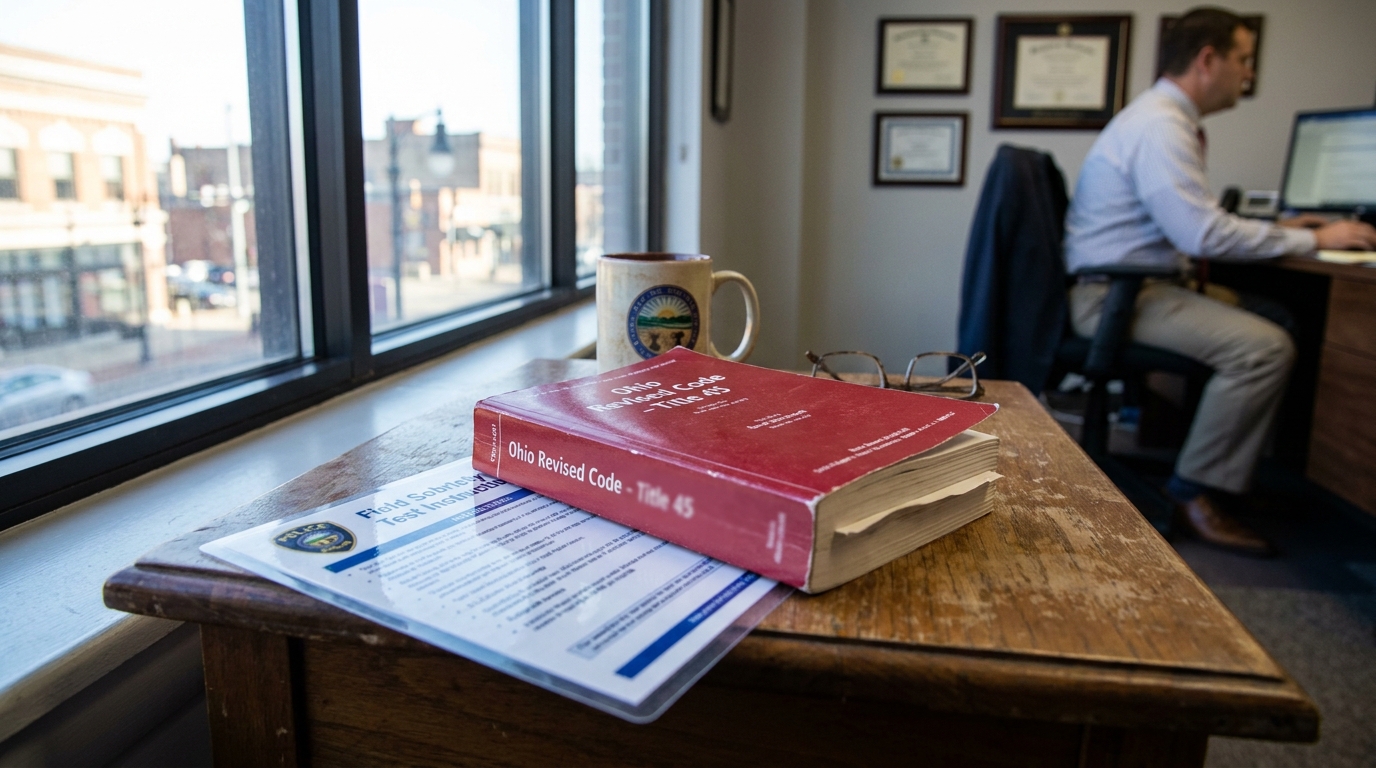
How Ohio Defines OVI and Why It Matters to Victims
Ohio’s OVI statute prohibits operating any vehicle, streetcar, or trackless trolley while under the influence of alcohol, a drug of abuse, or a combination. Under R.C. 4511.19(A)(1)(a), a driver does not need to be falling-down drunk to violate the law. The per se legal limit of 0.08 percent blood alcohol concentration in whole blood is set at R.C. 4511.19(A)(1)(b), and a “high-test” threshold of 0.17 percent, found at R.C. 4511.19(A)(1)(h), triggers enhanced penalties. You can review the full text of Ohio’s OVI statute to see how these thresholds are written.
These limits help establish that the other driver breached a duty of care. In a negligence claim, you must prove duty, breach, causation, and damages. Evidence that a driver was over the legal limit or impaired by drugs provides strong proof of breach. A documented OVI violation often supports negligence per se, though Ohio courts evaluate each situation on its specific facts.
💡 Pro Tip: Request a copy of the responding officer’s crash report and any citation as soon as possible. These documents may reference test results or refusals that become important to your civil claim.
What Implied Consent and Chemical Testing Mean for Your Case
Anyone who drives on Ohio roads is deemed to have given consent to chemical testing if arrested for OVI. Under R.C. 4511.191(A)(2), operating a vehicle on a public highway or property used by the public for vehicular travel carries this implied consent. A person arrested for OVI must generally submit to testing within two hours of the alleged violation, and under R.C. 4511.192(A), failing to submit within that window automatically counts as a refusal.
Ohio law also addresses situations where a person cannot respond. Under R.C. 4511.191(A)(4), a person who is dead, unconscious, or otherwise incapable of refusal is deemed to have consented to testing. For certain repeat-offender scenarios, an officer may use reasonable means to obtain a blood test and has immunity from liability unless the officer acted with malicious purpose, in bad faith, or in a wanton or reckless manner. These provisions can shape what evidence exists after a serious Dayton DUI crash.
License Suspensions and the Officer’s Report
Refusing a chemical test or testing over the limit triggers an immediate administrative license suspension. Under R.C. 4511.191(D)(1), the suspension takes effect when the officer serves notice, and a later not-guilty finding generally does not reverse that administrative suspension. A first refusal generally results in a class C suspension, with escalating suspension classes for repeat refusals or prior OVI convictions within ten years.
The arresting officer’s sworn report carries significant weight in the administrative process. The sworn report can serve as prima-facie proof of its contents in a license suspension appeal. This administrative suspension process is separate from your civil claim for damages. The criminal and administrative cases focus on penalties against the driver, while your civil case focuses on compensating you for your injuries.
💡 Pro Tip: A driver’s administrative license suspension does not automatically pay your bills. Recovery for your injuries comes through a separate civil claim, so do not assume the criminal case resolves your financial losses.
Per Se Limits for Alcohol and Drugs
Ohio sets specific concentration limits for alcohol and controlled substances. Under R.C. 4511.19(A)(1)(b) through (i), the statute lists alcohol concentration thresholds, while division (A)(1)(j) lists per se thresholds for controlled substances and their metabolites (such as amphetamine, cocaine, and heroin) measured in blood, plasma, or urine. The table below summarizes several of those limits as written in the statute.
| Substance | Urine Limit | Whole Blood Limit |
|---|---|---|
| Alcohol | n/a | 0.08% (0.17% high-test) |
| Amphetamine | 500 ng/mL | 100 ng/mL |
| Cocaine | 150 ng/mL | 50 ng/mL |
| Heroin | 2000 ng/mL | 50 ng/mL |
These thresholds can be relevant when a driver was impaired by something other than alcohol. Drugged driving cases often involve toxicology evidence that requires careful review. Because chemical evidence is fact-sensitive and subject to procedural rules, outcomes depend on the specific circumstances of each crash.
Building a Negligence Claim as a Dayton Drunk Driving Victim
As an Ohio drunk driving victim, your path to compensation runs through a civil negligence claim against the at-fault driver. You must show that the driver owed you a duty of safe operation, breached that duty, caused your injuries, and that you suffered damages. Evidence of an OVI violation can strengthen the breach element, but you still must connect that conduct to the harm you experienced.
Preserving evidence early helps protect your claim’s value. Insurers often move quickly to limit what they pay, so the records you gather can be decisive. Helpful steps include:
- Photographing the vehicles, the scene, and your visible injuries
- Saving medical records and bills that document your treatment
- Tracking lost wages and missed workdays in writing
- Collecting names and contact information for any witnesses
- Keeping the police report and any reference to OVI charges or refusals
💡 Pro Tip: Seek medical evaluation even if you feel only minor discomfort. Gaps in treatment are a common argument insurers use to question whether a crash caused your injuries.
Deadlines That Can Affect Your Right to Recover
Ohio sets firm time limits for filing personal injury lawsuits, and missing them can bar your claim entirely. Under R.C. 2305.10, the time limit for injury claims is generally two years from the date the cause of action accrues. Certain narrow exceptions may apply in limited circumstances, but courts interpret these exceptions narrowly.
Because these deadlines are unforgiving, acting promptly is wise. The civil statute of limitations is distinct from any administrative or criminal deadline tied to the driver’s OVI case. You can find more educational articles on Ohio injury topics on our firm’s collection of legal insights.
How Drunk Driving Accident Lawyers Help OVI Crash Victims
Experienced drunk driving accident lawyers help victims connect the criminal facts of an OVI to a civil claim for compensation. A driver’s impairment is only part of the story, you still must prove the extent of your injuries and losses. Skilled counsel can gather toxicology evidence, work with treating providers, and reconstruct how the crash occurred to present a well-supported claim to the insurer or, if necessary, to a court.
Knowledge of Ohio’s impaired driving laws also helps counter common insurer tactics. Insurance carriers may dispute causation, downplay injuries, or argue about shared fault. A Dayton legal team with a proven track record can respond with documentation and statutory authority. To understand how a dedicated Dayton car accident lawyer approaches these matters, learn how negligence and damages are established under Ohio law.
💡 Pro Tip: Avoid giving a recorded statement to the at-fault driver’s insurer before you understand your rights. Early statements are frequently used to minimize drunk driving injury claims in Dayton.
Frequently Asked Questions
-
Does an OVI conviction guarantee I will win my injury case?
No single fact guarantees a particular outcome. An OVI violation can be strong evidence of breach, but you still must prove causation and damages.
-
What if the impaired driver was found not guilty?
A not-guilty finding in the criminal case does not automatically defeat your civil claim. Civil and criminal cases use different standards of proof.
-
How long do I have to file a claim in Dayton?
Ohio generally allows two years for personal injury lawsuits under R.C. 2305.10. Limited exceptions may apply, but courts read them narrowly. Acting early helps preserve evidence.
-
What damages might I recover after an OVI crash?
Recoverable damages may include medical expenses, lost wages, and pain and suffering. The amount depends on the severity of your injuries and the available evidence.
-
What does it cost to talk with OVI accident attorneys in Ohio?
Many car accident matters are handled on a contingency basis, meaning fees depend on the outcome. A free case review lets you understand your options before deciding anything.
Protecting Your Rights After an Impaired Driving Crash
Ohio’s OVI law gives Dayton crash victims important tools, but turning those tools into compensation takes careful, fact-driven work. The statutes at R.C. 4511.19, 4511.191, and 4511.192 define impairment, implied consent, and testing, while R.C. 2305.10 sets the deadline for injury lawsuits. Used with strong medical and accident evidence, these provisions support a civil negligence claim.
If an impaired driver injured you or someone you love, you do not have to face the insurers alone. The drunk driving accident lawyers at Horenstein Nicholson & Blumenthal are ready to review your situation and explain how Ohio’s impaired driving laws may apply. Call (937) 224-7200 today or reach out through our online case review request to take the next step toward protecting your rights.
Related Posts

How to Protect a Dayton Car Accident Claim From Adjuster Tactics
Why Dayton Drivers Lose Value on Otherwise Strong Claims Key Takeaways: Insurance adjusters minimize payouts using predictable tactics like delays, lowball offers, recorded statements, and inflated fault arguments. To protect a Dayton car accident claim, know what to do after a crash in Ohio before signing anything or giving a statement. Document the scene, seek prompt medical care, and preserve all evidence. Understand Ohio’s modified comparative…
READ MORE
Why Are Truck Accident Injuries More Severe Than Car Crash Injuries in Dayton?
The Physics and Law Behind Severe Truck Crash Injuries in the Miami Valley Key Takeaways: Truck accident injuries are far more severe than car crash injuries because commercial trucks weigh 20-30 times more than passenger vehicles, generating crash forces that smaller cars cannot absorb. Height differences create deadly underride risks, while longer stopping distances increase impact speeds. National data confirms occupants of smaller vehicles suffer the…
READ MORE
What Is Negligence Per Se in a Dayton Truck Accident Case?
Understanding How Traffic Violations Can Prove Fault After a Dayton Truck Crash Key Takeaways: Negligence per se lets an injured person establish a truck driver’s breach of duty by showing the driver violated a safety statute, replacing the usual “reasonable person” standard with an objective statutory one. In Dayton truck accident cases, this often involves violations of Ohio’s traffic laws under Chapter 4511, including speeding, reckless…
READ MORE
What Is a Subrogation Claim After a Dayton Car Accident?
Understanding How Insurers Recover Money After an Ohio Crash Key Takeaways: A subrogation claim allows an insurer, auto carrier, or the Ohio Bureau of Workers’ Compensation to recover money paid on your behalf from any settlement with the at-fault driver. Multiple entities can assert these rights, including private health insurers, self-funded employer plans, government payers, and auto carriers paying medical or underinsured motorist benefits. Ohio law…
READ MORE
How to Request a Truck’s Black Box Data After a Dayton Crash
Why Electronic Truck Data Can Make or Break Your Claim Key Takeaways: Modern commercial trucks store electronic data from the Electronic Control Module (ECM) and Electronic Logging Device (ELD) that reveals speed, braking, engine load, and driver hours before a crash. To request truck black box data after a Dayton crash, you must act fast and send a formal spoliation letter to the carrier, as ECM…
READ MORE
What Is a Diminished Value Claim After a Dayton Car Accident?
Understanding Vehicle Value Loss After an Ohio Collision Key Takeaways: A diminished value claim recovers the market value your car loses after a collision, even when repairs restore it to like-new condition, because a recorded accident history reduces what buyers pay. In Ohio, this loss is property damage recoverable from the at-fault driver, supported by Falter v. City of Toledo and Rakich, which allow recovery of…
READ MORE
Can Cargo Loading Errors Cause a Truck Accident in Dayton?
Understanding How Improperly Loaded Cargo Triggers Dayton Truck Crashes Key Takeaways: Cargo loading errors frequently cause truck accidents in Dayton by shifting freight that destabilizes an 18-wheeler and triggers rollovers or jackknifes. Common failures include overloading, uneven weight distribution, inadequate securement, and raised center of gravity. Liability often extends beyond the driver to loading companies, motor carriers, third-party contractors, and equipment manufacturers under Ohio law. Proving…
READ MOREGet HNB to Help You
What our client has to say

Laurie Ruscillo
in Google Reviews
“During a very difficult time, there was compassion and a truly dedicated effort from the staff for a favorable outcome with a disability claim from the Social Security Administration.”
Related Posts
How to Protect a Dayton Car Accident Claim From Adjuster Tactics
Why Dayton Drivers Lose Value on Otherwise Strong Claims Key Takeaways: Insurance adjusters minimize payouts using predictable tactics like delays, lowball offers, recorded statements, and inflated fault arguments. To protect a Dayton car accident claim, know what to do after a crash in Ohio before signing anything or giving a statement. Document the scene, seek prompt medical care, and preserve all evidence. Understand Ohio’s modified comparative…
READ MORE Why Are Truck Accident Injuries More Severe Than Car Crash Injuries in Dayton?
The Physics and Law Behind Severe Truck Crash Injuries in the Miami Valley Key Takeaways: Truck accident injuries are far more severe than car crash injuries because commercial trucks weigh 20-30 times more than passenger vehicles, generating crash forces that smaller cars cannot absorb. Height differences create deadly underride risks, while longer stopping distances increase impact speeds. National data confirms occupants of smaller vehicles suffer the…
READ MORE What Is Negligence Per Se in a Dayton Truck Accident Case?
Understanding How Traffic Violations Can Prove Fault After a Dayton Truck Crash Key Takeaways: Negligence per se lets an injured person establish a truck driver’s breach of duty by showing the driver violated a safety statute, replacing the usual “reasonable person” standard with an objective statutory one. In Dayton truck accident cases, this often involves violations of Ohio’s traffic laws under Chapter 4511, including speeding, reckless…
READ MORE What Is a Subrogation Claim After a Dayton Car Accident?
Understanding How Insurers Recover Money After an Ohio Crash Key Takeaways: A subrogation claim allows an insurer, auto carrier, or the Ohio Bureau of Workers’ Compensation to recover money paid on your behalf from any settlement with the at-fault driver. Multiple entities can assert these rights, including private health insurers, self-funded employer plans, government payers, and auto carriers paying medical or underinsured motorist benefits. Ohio law…
READ MORE How to Request a Truck’s Black Box Data After a Dayton Crash
Why Electronic Truck Data Can Make or Break Your Claim Key Takeaways: Modern commercial trucks store electronic data from the Electronic Control Module (ECM) and Electronic Logging Device (ELD) that reveals speed, braking, engine load, and driver hours before a crash. To request truck black box data after a Dayton crash, you must act fast and send a formal spoliation letter to the carrier, as ECM…
READ MORE What Is a Diminished Value Claim After a Dayton Car Accident?
Understanding Vehicle Value Loss After an Ohio Collision Key Takeaways: A diminished value claim recovers the market value your car loses after a collision, even when repairs restore it to like-new condition, because a recorded accident history reduces what buyers pay. In Ohio, this loss is property damage recoverable from the at-fault driver, supported by Falter v. City of Toledo and Rakich, which allow recovery of…
READ MORE Can Cargo Loading Errors Cause a Truck Accident in Dayton?
Understanding How Improperly Loaded Cargo Triggers Dayton Truck Crashes Key Takeaways: Cargo loading errors frequently cause truck accidents in Dayton by shifting freight that destabilizes an 18-wheeler and triggers rollovers or jackknifes. Common failures include overloading, uneven weight distribution, inadequate securement, and raised center of gravity. Liability often extends beyond the driver to loading companies, motor carriers, third-party contractors, and equipment manufacturers under Ohio law. Proving…
READ MORE


Phone

Hours
AVAILABLE 24/7
OFFICES
Dayton, OH
220 E. Monument Ave.
Suite 305
Dayton, OH 45402