

Can a Dayton Car Accident Attorney Help With an Insurer’s Low Offer?
Why Insurance Companies Offer Less Than Your Claim Is Worth
If you have been injured in a car accident in Dayton, Ohio, and received a settlement offer that feels far too low, you are not alone. Insurance companies almost always start with a low initial offer and may argue that your injuries are minor, unrelated, or pre-existing as a deliberate tactic. Many accident victims accept less than they deserve due to financial pressure, which is exactly why insurers use this strategy. The good news is that a car accident attorney in Dayton can push back against these lowball offers, build a compelling case for full compensation, and negotiate from a position of strength. Understanding how insurers operate and what legal tools are available to you can make the difference between settling for less and recovering what you actually need to move forward.
If you are dealing with an undervalued car accident claim, Horenstein Nicholson & Blumenthal is ready to help. Call 937-224-7200 or reach out online to discuss your options at no cost.
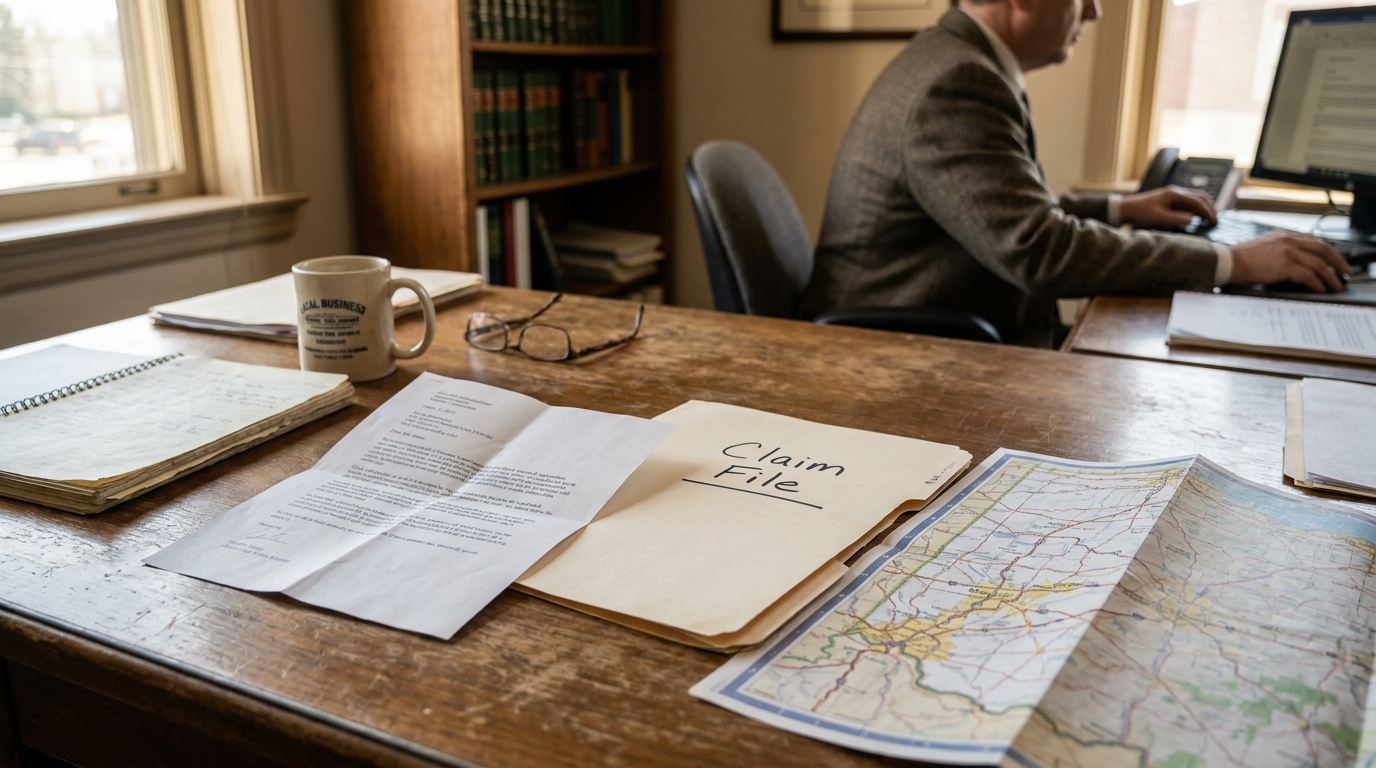
How a Car Accident Attorney in Dayton Fights Low Settlement Offers
A low insurance settlement offer is not the final word on your claim. When you work with a Dayton car accident lawyer, your attorney counters low offers by presenting evidence-backed arguments, challenging those offers with documented proof, addressing weaknesses raised by the insurer, and applying litigation pressure. This systematic approach forces the insurance company to justify its position rather than relying on your willingness to accept less.
Your attorney will assemble what is known as a demand package to establish the true value of your losses. A strong demand package includes medical records and bills, diagnostic imaging, physician opinions on prognosis, proof of lost income, and evaluations of long-term needs. Each piece of documentation makes it harder for the insurer to dismiss or minimize your injuries.
If the insurance company refuses to offer fair compensation, filing a lawsuit may be necessary. Litigation often leads to more serious negotiations because it signals that you are prepared to take your case before a judge or jury. In many cases, the mere filing of a complaint prompts a significantly improved offer.
💡 Pro Tip: Keep a daily journal documenting your pain levels, limitations on daily activities, and emotional well-being after a car accident. This type of contemporaneous evidence can strengthen your claim in ways that medical records alone may not capture.
Common Insurance Company Tactics in Ohio
Disputing the Severity of Your Injuries
Insurers frequently challenge the nature and extent of your injuries to reduce the payout. They may claim that your condition is pre-existing, that your treatment was excessive, or that your injuries are unrelated to the crash. These tactics are designed to create doubt and pressure you into accepting a low offer.
Using Fault Against You
Ohio follows a modified comparative negligence rule under ORC § 2315.33, meaning you can recover damages as long as you are not more than 50% at fault. If your share of fault reaches 51% or more, you are barred from recovering any compensation. Ohio’s comparative negligence law allows the responsibility for an accident to be shared, and your damages are reduced in proportion to your percentage of fault. However, insurers are prohibited from using “pattern” settlements that assign routine negligence percentages without regard to the actual facts of the case, according to the Ohio automobile insurance guide.
Even if you accept the adjuster’s fault determination, you still do not have to accept their dollar figures. You can demand an explanation of how percentages were determined. If the company says you were 30% at fault, ask how that percentage was calculated and request supporting documentation.
💡 Pro Tip: If an adjuster assigns you a percentage of fault, ask for the specific evidence supporting that number. You have the right to challenge any fault determination that lacks factual basis.
Protecting Yourself During the Claims Process
Insurance companies rely on missteps to reduce your claim value. Protect yourself by following these steps:
- Avoid giving recorded statements without first consulting an attorney.
- Do not sign any documents without having them reviewed by legal counsel.
- Stay off social media regarding your accident, as insurers may monitor your posts for information they can use against you.
Ohio law grants policyholders the right to consult a private attorney when disputing an insurance claim. This right is explicitly acknowledged by the Ohio Department of Insurance in its ‘Guide to Automobile Insurance’ (page 16), and is also noted by third-party consumer guides. Ohio law also grants policyholders the right to a prompt, good-faith settlement offer and the right to negotiate with the insurer’s adjuster. These are not favors from the insurance company. They are legal rights.
💡 Pro Tip: If an insurance adjuster contacts you shortly after your accident, politely decline to provide a recorded statement and let them know you will respond through your attorney. Early recorded statements are often used to lock you into positions that can hurt your claim later.
Ohio’s Statute of Limitations and Why Timing Matters
Under Ohio Revised Code § 2305.10(A), personal injury and property damage claims must be filed within two years of the date the cause of action accrues. This statute requires that “an action for bodily injury or injuring personal property shall be brought within two years after the cause of action accrues.” This same provision also governs product liability claims in Ohio, which could be relevant if a vehicle defect contributed to the accident.
Understanding this deadline is critical when dealing with a low insurance offer. If negotiations stall, you must file suit before the two-year window closes. Courts generally interpret tolling exceptions narrowly, so you should not assume that any circumstance will automatically extend your deadline. Consulting with a Dayton auto accident attorney early in the process helps ensure you preserve all available legal options.
| Key Deadline | Details |
|---|---|
| Personal Injury Claims | 2 years from when the cause of action accrues (ORC § 2305.10(A)) |
| Property Damage Claims | 2 years from when the cause of action accrues (ORC § 2305.10(A)) |
| Product Liability Claims | 2 years from when the cause of action accrues (ORC § 2305.10(A)) |
💡 Pro Tip: Mark the two-year deadline on your calendar as soon as possible after an accident. If negotiations are dragging on as you approach the deadline, speak with an attorney immediately to evaluate whether filing a lawsuit is necessary to protect your rights.
Understanding Ohio’s Minimum Coverage and Its Impact on Your Claim
Ohio’s minimum liability coverage is $25,000 per person and $50,000 per accident for bodily injury, plus $25,000 per accident for property damage. These are described as bare minimums and are often insufficient for serious crashes. When the at-fault driver carries only minimum coverage, low settlement offers are common because the policy limits may not cover the full extent of your damages.
A car accident attorney in Dayton can help identify all potential sources of recovery. This may include your own underinsured motorist coverage, other liable parties, or additional policies that could apply. Exploring resources like the Ohio car accident claims process can also help you understand your options more clearly.
Building the Strongest Case for Ohio Car Accident Compensation
The strength of your demand package often determines whether you receive a fair settlement or an insult. Beyond gathering medical records and bills, your attorney will compile diagnostic imaging, physician opinions on prognosis, proof of lost income, and evaluations of long-term needs. Every document serves a purpose in demonstrating the full scope of your losses.
An experienced Dayton injury claim attorney also knows how to anticipate and counter the arguments insurers raise. Whether the insurer disputes causation, challenges the necessity of treatment, or questions the severity of your injuries, your attorney will have a response grounded in evidence. Reading more about car accidents in Dayton, Ohio can provide additional insight into how these cases are handled locally.
💡 Pro Tip: Request copies of all medical records and bills directly from your providers and keep them organized in one place. Having your own complete set of documentation ensures nothing falls through the cracks during negotiations.
Frequently Asked Questions
1. Should I accept the first offer from the insurance company after a car accident?
In most cases, no. Insurance companies generally start with a low initial offer designed to minimize what they pay. You have the right to negotiate, and a car accident attorney in Dayton can help you build a demand package that reflects the true value of your injuries, lost wages, and other damages.
2. What can I do if the insurance company says I was partly at fault?
Ohio’s modified comparative negligence rule under ORC § 2315.33 allows you to recover damages as long as you are not more than 50% at fault. If your fault reaches 51% or more, you are barred from any recovery. Even if you accept some degree of fault, you do not have to accept the adjuster’s dollar figures. You can ask how the fault percentage was determined and challenge it with your own evidence.
3. How long do I have to file a car accident lawsuit in Ohio?
Under ORC § 2305.10(A), you generally have two years from the date the cause of action accrues to file a personal injury or property damage claim. Tolling exceptions exist but are interpreted narrowly by courts. Consulting an attorney well before the deadline is strongly advisable.
4. What should I include in my demand package?
A strong demand package typically includes medical records and bills, diagnostic imaging, physician opinions on your prognosis, proof of lost income, and evaluations of long-term needs. The more thorough and organized your documentation, the harder it becomes for the insurer to justify a low offer.
5. What if the at-fault driver only has minimum insurance coverage?
Ohio’s minimum liability limits may not cover the full extent of serious injuries. Your attorney can explore additional recovery options, including your own underinsured motorist coverage or other potentially liable parties, to help maximize your compensation.
Take Control of Your Claim Before Time Runs Out
Dealing with a low insurance offer after a car accident is frustrating, but you do not have to navigate the process alone. Ohio law provides important protections for accident victims, from the right to negotiate in good faith to the ability to challenge unfair fault determinations. Acting early, preserving evidence, and working with a knowledgeable attorney can significantly improve your outcome.
Horenstein Nicholson & Blumenthal has extensive experience helping people throughout Dayton and Ohio pursue fair compensation after car accidents. Call 937-224-7200 or contact us today for a free review of your case.
Related Posts

How to Protect a Dayton Car Accident Claim From Adjuster Tactics
Why Dayton Drivers Lose Value on Otherwise Strong Claims Key Takeaways: Insurance adjusters minimize payouts using predictable tactics like delays, lowball offers, recorded statements, and inflated fault arguments. To protect a Dayton car accident claim, know what to do after a crash in Ohio before signing anything or giving a statement. Document the scene, seek prompt medical care, and preserve all evidence. Understand Ohio’s modified comparative…
READ MORE
Why Are Truck Accident Injuries More Severe Than Car Crash Injuries in Dayton?
The Physics and Law Behind Severe Truck Crash Injuries in the Miami Valley Key Takeaways: Truck accident injuries are far more severe than car crash injuries because commercial trucks weigh 20-30 times more than passenger vehicles, generating crash forces that smaller cars cannot absorb. Height differences create deadly underride risks, while longer stopping distances increase impact speeds. National data confirms occupants of smaller vehicles suffer the…
READ MORE
What Is Negligence Per Se in a Dayton Truck Accident Case?
Understanding How Traffic Violations Can Prove Fault After a Dayton Truck Crash Key Takeaways: Negligence per se lets an injured person establish a truck driver’s breach of duty by showing the driver violated a safety statute, replacing the usual “reasonable person” standard with an objective statutory one. In Dayton truck accident cases, this often involves violations of Ohio’s traffic laws under Chapter 4511, including speeding, reckless…
READ MORE
What Is a Subrogation Claim After a Dayton Car Accident?
Understanding How Insurers Recover Money After an Ohio Crash Key Takeaways: A subrogation claim allows an insurer, auto carrier, or the Ohio Bureau of Workers’ Compensation to recover money paid on your behalf from any settlement with the at-fault driver. Multiple entities can assert these rights, including private health insurers, self-funded employer plans, government payers, and auto carriers paying medical or underinsured motorist benefits. Ohio law…
READ MORE
What Is Ohio’s OVI Law and How Does It Affect Dayton Crash Victims?
Understanding Ohio’s Impaired Driving Laws After a Dayton Crash Key Takeaways: Ohio’s OVI law, codified at R.C. 4511.19, prohibits operating any vehicle while under the influence of alcohol, drugs, or a combination, with per se limits of 0.08 percent BAC and a 0.17 percent high-test threshold. When an impaired driver causes a Dayton crash, the same conduct supporting criminal charges establishes breach of duty in a…
READ MORE
How to Request a Truck’s Black Box Data After a Dayton Crash
Why Electronic Truck Data Can Make or Break Your Claim Key Takeaways: Modern commercial trucks store electronic data from the Electronic Control Module (ECM) and Electronic Logging Device (ELD) that reveals speed, braking, engine load, and driver hours before a crash. To request truck black box data after a Dayton crash, you must act fast and send a formal spoliation letter to the carrier, as ECM…
READ MORE
What Is a Diminished Value Claim After a Dayton Car Accident?
Understanding Vehicle Value Loss After an Ohio Collision Key Takeaways: A diminished value claim recovers the market value your car loses after a collision, even when repairs restore it to like-new condition, because a recorded accident history reduces what buyers pay. In Ohio, this loss is property damage recoverable from the at-fault driver, supported by Falter v. City of Toledo and Rakich, which allow recovery of…
READ MOREGet HNB to Help You
What our client has to say

Laurie Ruscillo
in Google Reviews
“During a very difficult time, there was compassion and a truly dedicated effort from the staff for a favorable outcome with a disability claim from the Social Security Administration.”
Related Posts
How to Protect a Dayton Car Accident Claim From Adjuster Tactics
Why Dayton Drivers Lose Value on Otherwise Strong Claims Key Takeaways: Insurance adjusters minimize payouts using predictable tactics like delays, lowball offers, recorded statements, and inflated fault arguments. To protect a Dayton car accident claim, know what to do after a crash in Ohio before signing anything or giving a statement. Document the scene, seek prompt medical care, and preserve all evidence. Understand Ohio’s modified comparative…
READ MORE Why Are Truck Accident Injuries More Severe Than Car Crash Injuries in Dayton?
The Physics and Law Behind Severe Truck Crash Injuries in the Miami Valley Key Takeaways: Truck accident injuries are far more severe than car crash injuries because commercial trucks weigh 20-30 times more than passenger vehicles, generating crash forces that smaller cars cannot absorb. Height differences create deadly underride risks, while longer stopping distances increase impact speeds. National data confirms occupants of smaller vehicles suffer the…
READ MORE What Is Negligence Per Se in a Dayton Truck Accident Case?
Understanding How Traffic Violations Can Prove Fault After a Dayton Truck Crash Key Takeaways: Negligence per se lets an injured person establish a truck driver’s breach of duty by showing the driver violated a safety statute, replacing the usual “reasonable person” standard with an objective statutory one. In Dayton truck accident cases, this often involves violations of Ohio’s traffic laws under Chapter 4511, including speeding, reckless…
READ MORE What Is a Subrogation Claim After a Dayton Car Accident?
Understanding How Insurers Recover Money After an Ohio Crash Key Takeaways: A subrogation claim allows an insurer, auto carrier, or the Ohio Bureau of Workers’ Compensation to recover money paid on your behalf from any settlement with the at-fault driver. Multiple entities can assert these rights, including private health insurers, self-funded employer plans, government payers, and auto carriers paying medical or underinsured motorist benefits. Ohio law…
READ MORE What Is Ohio’s OVI Law and How Does It Affect Dayton Crash Victims?
Understanding Ohio’s Impaired Driving Laws After a Dayton Crash Key Takeaways: Ohio’s OVI law, codified at R.C. 4511.19, prohibits operating any vehicle while under the influence of alcohol, drugs, or a combination, with per se limits of 0.08 percent BAC and a 0.17 percent high-test threshold. When an impaired driver causes a Dayton crash, the same conduct supporting criminal charges establishes breach of duty in a…
READ MORE How to Request a Truck’s Black Box Data After a Dayton Crash
Why Electronic Truck Data Can Make or Break Your Claim Key Takeaways: Modern commercial trucks store electronic data from the Electronic Control Module (ECM) and Electronic Logging Device (ELD) that reveals speed, braking, engine load, and driver hours before a crash. To request truck black box data after a Dayton crash, you must act fast and send a formal spoliation letter to the carrier, as ECM…
READ MORE What Is a Diminished Value Claim After a Dayton Car Accident?
Understanding Vehicle Value Loss After an Ohio Collision Key Takeaways: A diminished value claim recovers the market value your car loses after a collision, even when repairs restore it to like-new condition, because a recorded accident history reduces what buyers pay. In Ohio, this loss is property damage recoverable from the at-fault driver, supported by Falter v. City of Toledo and Rakich, which allow recovery of…
READ MORE


Phone

Hours
AVAILABLE 24/7
OFFICES
Dayton, OH
220 E. Monument Ave.
Suite 305
Dayton, OH 45402