

How to Gather Evidence After a Car Accident in Dayton
Why Evidence Matters After a Dayton Car Accident
A car accident can upend your life in seconds, and the steps you take immediately afterward may determine the strength of your entire claim. Gathering evidence after a car crash in Dayton is foundational to establishing negligence, documenting injuries, and recovering fair compensation. Ohio recorded over 1,200 traffic fatalities in 2023 alone, with a rate of 10.5 deaths per 100,000 people. Whether you were rear-ended on I-75 or struck at a busy intersection, knowing what to collect can make or break your case. This guide covers key types of car accident evidence Dayton victims should prioritize, Ohio’s legal obligations, and practical steps to protect your rights.
If you were hurt in a crash and need guidance, Horenstein Nicholson & Blumenthal can help. Call 937-224-7200 or reach out online to discuss your situation today.
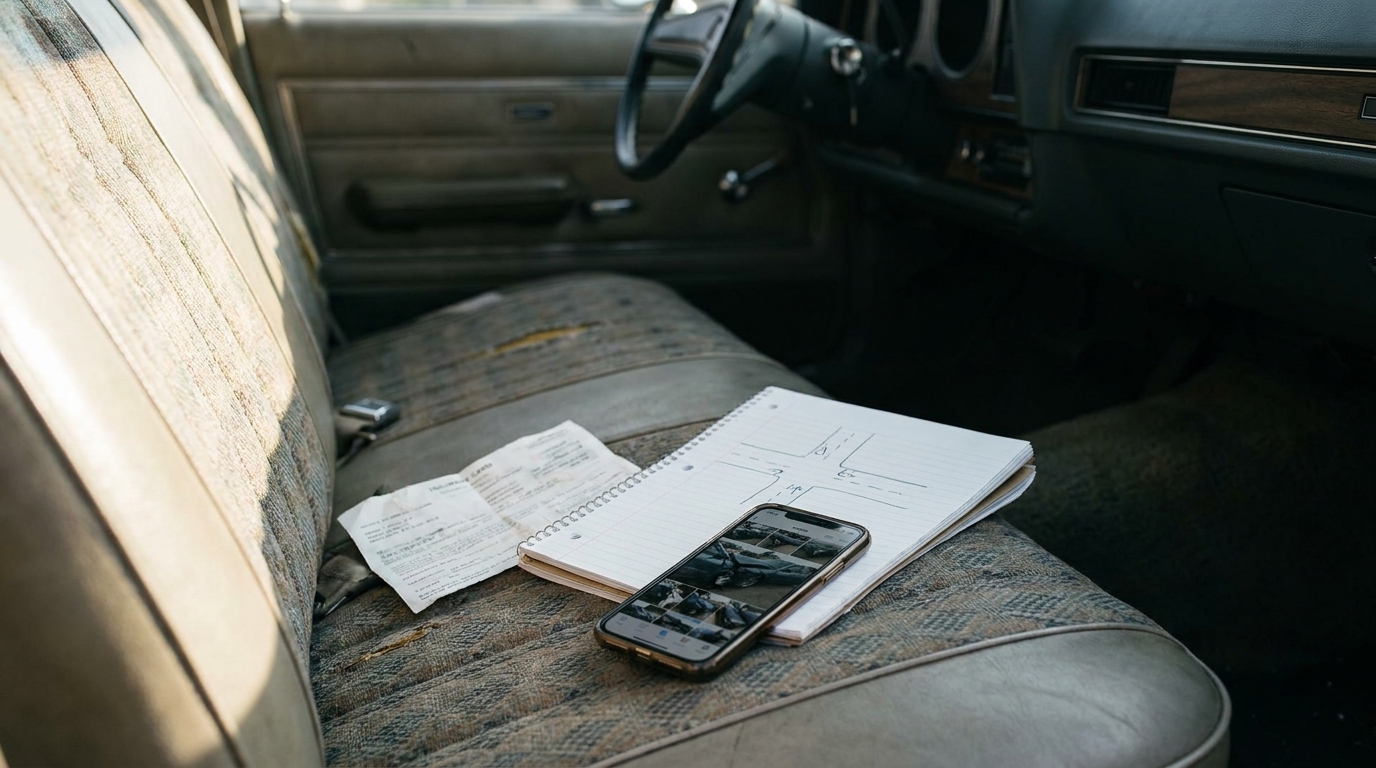
What Ohio Law Requires You to Do at the Accident Scene
Ohio Revised Code § 4549.02 places specific legal duties on every driver involved in a collision. Under Section 4549.02(A)(1), drivers must immediately stop and provide their name, address, and vehicle registration to any injured person, other drivers, and law enforcement. Failing to comply can result in criminal penalties and may undermine your claim.
If the injured person cannot comprehend the information, the law imposes additional requirements. Under Section 4549.02(A)(2), the other driver must notify the nearest police authority with the accident location, their information, and remain at the scene until an officer arrives. Even when a collision involves an unoccupied vehicle, Section 4549.02(A)(3) requires the driver to securely attach their identifying information to the damaged vehicle. These requirements ensure all parties have access to documentation needed for Ohio car accident claims.
💡 Pro Tip: Write down or photograph the other driver’s information at the scene rather than relying on memory. Stress and adrenaline can cause you to forget critical details within minutes.
Documenting the Scene: Photos, Videos, and Physical Evidence
Your phone is one of the most powerful evidence-gathering tools after a crash. Photographs of vehicles, license plates, skid marks, and nearby signage preserve details that fade quickly. Traffic signals, road conditions, weather, and debris patterns help reconstruct what happened. Video footage can capture perspectives that static photos miss.
What to Photograph After a Dayton Car Crash
- Damage to all vehicles involved, from multiple angles
- License plates of every vehicle at the scene
- Skid marks, broken glass, and road debris
- Traffic signals, stop signs, and posted speed limits
- Your visible injuries, including bruises, cuts, and swelling
- The overall intersection or roadway layout
Accident scene documentation in Dayton is especially important at high-traffic locations where conditions change rapidly. Road crews may clear debris, weather may shift, and damaged signage may be repaired before you can return. Capture everything you safely can before leaving the scene.
💡 Pro Tip: Use your phone’s timestamp and location features when taking photos. This metadata can verify when and where images were taken, strengthening their evidentiary value.
Gathering Witness Information and Statements
Witnesses provide critical third-party perspectives that help prove fault in a Dayton crash. A bystander’s account may determine who was at fault, clarify road or weather conditions, verify whether traffic laws were followed, and support injury claims. If someone saw the collision, politely ask for their name and phone number before they leave.
How Witness Testimony Supports Your Claim
Ohio law doesn’t require bystanders to assist at a crash scene, but their voluntary observations can be highly valuable in legal proceedings. A witness statement corroborating your version adds weight when negotiating with an insurer or presenting evidence in court. The Ohio Department of Public Safety provides a Traffic Crash Witness Statement form for fatal crashes.
For non-fatal collisions, witnesses can document what they saw in writing or provide statements to your attorney. Their recollections about the at-fault driver’s speed, lane position, or signal compliance may prove crucial. Getting this information early matters because memories fade and witnesses become harder to locate.
💡 Pro Tip: If a witness is willing but in a hurry, ask them to record a brief voice memo on your phone describing what they saw. You can follow up for a formal statement later.
Insurance Documents and Financial Responsibility in Ohio
Ohio law requires all drivers to maintain proof of financial responsibility, which generally means carrying auto insurance. The state’s minimum coverage requirements include $25,000 per person and $50,000 per accident for bodily injury, plus $25,000 per accident for property damage. When exchanging information, ask for the other driver’s insurance carrier name and policy number.
| Coverage Type | Ohio Minimum per Person | Ohio Minimum per Accident |
|---|---|---|
| Bodily Injury | $25,000 | $50,000 |
| Property Damage | N/A | $25,000 |
Documenting the other driver’s insurance information is essential because Ohio car accident claim evidence often begins with the at-fault party’s policy. You also must promptly report accidents to your own insurer and cooperate with claims investigations. Delays may give the insurer grounds to question coverage or reduce your payout.
💡 Pro Tip: Take a photo of the other driver’s insurance card rather than copying it by hand. This reduces the risk of transcription errors that could slow down your claim.
How a Car Accident Attorney in Dayton Can Help Preserve Evidence
An experienced Dayton car accident lawyer can take critical steps to preserve and organize evidence you may not be able to handle on your own. Attorneys can send spoliation letters to prevent destruction of surveillance footage, obtain police reports, subpoena cell phone records, and work with accident reconstruction professionals. Evidence preservation is time-sensitive, and waiting too long can result in lost footage, faded memories, or destroyed records.
Ohio’s statute of limitations adds urgency to every step. Under Ohio Revised Code § 2305.10(A), personal injury and property damage claims must generally be filed within two years of the date the cause of action accrues. Courts interpret exceptions narrowly, so relying on tolling or discovery rules without legal guidance carries significant risk. The sooner you begin gathering and preserving Ohio car accident claim evidence, the stronger your position.
Medical Records and Ongoing Documentation
Your medical records serve as direct evidence linking the crash to your injuries. Seek medical attention promptly after a Dayton car accident, even if you feel fine initially. Some injuries, such as soft tissue damage or concussions, may not produce symptoms for hours or days. Consistent medical documentation creates a timeline connecting your treatment to the collision.
Keep a personal injury journal as well. Record daily pain levels, activity limitations, missed workdays, and emotional impacts. This documentation helps quantify non-economic damages and gives your Dayton auto accident attorney a fuller picture of how the crash has affected your life.
Protecting Your Claim: Common Mistakes to Avoid
Many car accident victims in Dayton Ohio unintentionally weaken their claims by making avoidable errors. Giving a recorded statement to the other driver’s insurance company without legal counsel, posting about the accident on social media, or delaying medical treatment can all undermine your credibility. Insurance adjusters are trained to look for inconsistencies.
Communicating With Insurance Companies
You are generally required to cooperate with your own insurer, but you are not obligated to give a detailed recorded statement to the at-fault driver’s carrier without preparation. Before discussing fault, injuries, or settlement figures, consider consulting with an attorney who understands tactics insurers use to minimize payouts.
💡 Pro Tip: If the other driver’s insurer contacts you before you have spoken with an attorney, it is perfectly acceptable to say you need time to review your options. You do not have to answer their questions on the spot.
Frequently Asked Questions
1. What evidence should I gather immediately after a car accident in Dayton?
Prioritize collecting the other driver’s name, address, vehicle registration, and insurance information, as required by Ohio Revised Code § 4549.02. Photograph vehicle damage, license plates, skid marks, road conditions, and your injuries. Get contact information from witnesses. If police respond, obtain the officer’s name and report number.
2. How long do I have to file a car accident claim in Ohio?
Under Ohio Revised Code § 2305.10(A), you generally have two years from the date the cause of action accrues to file a personal injury or property damage claim. Missing this deadline may result in losing your right to pursue compensation entirely. Begin the process as early as possible.
3. Do I need to call the police after a car accident in Dayton?
Ohio law requires drivers involved in accidents resulting in injury, death, or significant property damage to report the crash to law enforcement. A police report creates an official record of the collision, including the officer’s observations about fault, road conditions, and driver behavior, which often plays a significant role in insurance negotiations and litigation.
4. What if the other driver does not have insurance?
Ohio requires minimum liability coverage, but not every driver complies. If the at-fault driver is uninsured, you may need to rely on your own uninsured motorist coverage, if elected on your policy. Ohio insurers are not required to offer uninsured motorist coverage; UM/UIM coverage is optional under Ohio Revised Code Section 3937.18(A), and policyholders must affirmatively elect it when purchasing a policy. Reviewing your policy with a car accident attorney in Dayton can help you understand your recovery options.
5. Can witness statements really help my car accident case?
Yes, witness statements can significantly strengthen a claim by providing independent accounts of how the crash occurred. A witness may confirm the other driver ran a red light, was speeding, or was distracted. These observations help establish the negligence elements of duty, breach, causation, and damages central to any car accident case in Ohio.
Take Action to Protect Your Rights After a Dayton Car Crash
The evidence you gather in the hours and days after a car accident directly shapes your ability to recover compensation. From scene photographs and witness contacts to medical records and insurance documentation, every piece builds toward proving another driver’s negligence caused your injuries. Ohio law sets clear obligations for drivers at accident scenes and firm deadlines for filing claims, so acting quickly is essential. For more information about car accident claims, visit our car accident resources for additional guidance.
The team at Horenstein Nicholson & Blumenthal is ready to help you understand your legal options and fight for the compensation you deserve. Call 937-224-7200 or contact us today to schedule a free consultation about your Dayton car accident case.
Related Posts

How to Protect a Dayton Car Accident Claim From Adjuster Tactics
Why Dayton Drivers Lose Value on Otherwise Strong Claims Key Takeaways: Insurance adjusters minimize payouts using predictable tactics like delays, lowball offers, recorded statements, and inflated fault arguments. To protect a Dayton car accident claim, know what to do after a crash in Ohio before signing anything or giving a statement. Document the scene, seek prompt medical care, and preserve all evidence. Understand Ohio’s modified comparative…
READ MORE
Why Are Truck Accident Injuries More Severe Than Car Crash Injuries in Dayton?
The Physics and Law Behind Severe Truck Crash Injuries in the Miami Valley Key Takeaways: Truck accident injuries are far more severe than car crash injuries because commercial trucks weigh 20-30 times more than passenger vehicles, generating crash forces that smaller cars cannot absorb. Height differences create deadly underride risks, while longer stopping distances increase impact speeds. National data confirms occupants of smaller vehicles suffer the…
READ MORE
What Is Negligence Per Se in a Dayton Truck Accident Case?
Understanding How Traffic Violations Can Prove Fault After a Dayton Truck Crash Key Takeaways: Negligence per se lets an injured person establish a truck driver’s breach of duty by showing the driver violated a safety statute, replacing the usual “reasonable person” standard with an objective statutory one. In Dayton truck accident cases, this often involves violations of Ohio’s traffic laws under Chapter 4511, including speeding, reckless…
READ MORE
What Is a Subrogation Claim After a Dayton Car Accident?
Understanding How Insurers Recover Money After an Ohio Crash Key Takeaways: A subrogation claim allows an insurer, auto carrier, or the Ohio Bureau of Workers’ Compensation to recover money paid on your behalf from any settlement with the at-fault driver. Multiple entities can assert these rights, including private health insurers, self-funded employer plans, government payers, and auto carriers paying medical or underinsured motorist benefits. Ohio law…
READ MORE
What Is Ohio’s OVI Law and How Does It Affect Dayton Crash Victims?
Understanding Ohio’s Impaired Driving Laws After a Dayton Crash Key Takeaways: Ohio’s OVI law, codified at R.C. 4511.19, prohibits operating any vehicle while under the influence of alcohol, drugs, or a combination, with per se limits of 0.08 percent BAC and a 0.17 percent high-test threshold. When an impaired driver causes a Dayton crash, the same conduct supporting criminal charges establishes breach of duty in a…
READ MORE
How to Request a Truck’s Black Box Data After a Dayton Crash
Why Electronic Truck Data Can Make or Break Your Claim Key Takeaways: Modern commercial trucks store electronic data from the Electronic Control Module (ECM) and Electronic Logging Device (ELD) that reveals speed, braking, engine load, and driver hours before a crash. To request truck black box data after a Dayton crash, you must act fast and send a formal spoliation letter to the carrier, as ECM…
READ MORE
What Is a Diminished Value Claim After a Dayton Car Accident?
Understanding Vehicle Value Loss After an Ohio Collision Key Takeaways: A diminished value claim recovers the market value your car loses after a collision, even when repairs restore it to like-new condition, because a recorded accident history reduces what buyers pay. In Ohio, this loss is property damage recoverable from the at-fault driver, supported by Falter v. City of Toledo and Rakich, which allow recovery of…
READ MOREGet HNB to Help You
What our client has to say

Laurie Ruscillo
in Google Reviews
“During a very difficult time, there was compassion and a truly dedicated effort from the staff for a favorable outcome with a disability claim from the Social Security Administration.”
Related Posts
How to Protect a Dayton Car Accident Claim From Adjuster Tactics
Why Dayton Drivers Lose Value on Otherwise Strong Claims Key Takeaways: Insurance adjusters minimize payouts using predictable tactics like delays, lowball offers, recorded statements, and inflated fault arguments. To protect a Dayton car accident claim, know what to do after a crash in Ohio before signing anything or giving a statement. Document the scene, seek prompt medical care, and preserve all evidence. Understand Ohio’s modified comparative…
READ MORE Why Are Truck Accident Injuries More Severe Than Car Crash Injuries in Dayton?
The Physics and Law Behind Severe Truck Crash Injuries in the Miami Valley Key Takeaways: Truck accident injuries are far more severe than car crash injuries because commercial trucks weigh 20-30 times more than passenger vehicles, generating crash forces that smaller cars cannot absorb. Height differences create deadly underride risks, while longer stopping distances increase impact speeds. National data confirms occupants of smaller vehicles suffer the…
READ MORE What Is Negligence Per Se in a Dayton Truck Accident Case?
Understanding How Traffic Violations Can Prove Fault After a Dayton Truck Crash Key Takeaways: Negligence per se lets an injured person establish a truck driver’s breach of duty by showing the driver violated a safety statute, replacing the usual “reasonable person” standard with an objective statutory one. In Dayton truck accident cases, this often involves violations of Ohio’s traffic laws under Chapter 4511, including speeding, reckless…
READ MORE What Is a Subrogation Claim After a Dayton Car Accident?
Understanding How Insurers Recover Money After an Ohio Crash Key Takeaways: A subrogation claim allows an insurer, auto carrier, or the Ohio Bureau of Workers’ Compensation to recover money paid on your behalf from any settlement with the at-fault driver. Multiple entities can assert these rights, including private health insurers, self-funded employer plans, government payers, and auto carriers paying medical or underinsured motorist benefits. Ohio law…
READ MORE What Is Ohio’s OVI Law and How Does It Affect Dayton Crash Victims?
Understanding Ohio’s Impaired Driving Laws After a Dayton Crash Key Takeaways: Ohio’s OVI law, codified at R.C. 4511.19, prohibits operating any vehicle while under the influence of alcohol, drugs, or a combination, with per se limits of 0.08 percent BAC and a 0.17 percent high-test threshold. When an impaired driver causes a Dayton crash, the same conduct supporting criminal charges establishes breach of duty in a…
READ MORE How to Request a Truck’s Black Box Data After a Dayton Crash
Why Electronic Truck Data Can Make or Break Your Claim Key Takeaways: Modern commercial trucks store electronic data from the Electronic Control Module (ECM) and Electronic Logging Device (ELD) that reveals speed, braking, engine load, and driver hours before a crash. To request truck black box data after a Dayton crash, you must act fast and send a formal spoliation letter to the carrier, as ECM…
READ MORE What Is a Diminished Value Claim After a Dayton Car Accident?
Understanding Vehicle Value Loss After an Ohio Collision Key Takeaways: A diminished value claim recovers the market value your car loses after a collision, even when repairs restore it to like-new condition, because a recorded accident history reduces what buyers pay. In Ohio, this loss is property damage recoverable from the at-fault driver, supported by Falter v. City of Toledo and Rakich, which allow recovery of…
READ MORE


Phone

Hours
AVAILABLE 24/7
OFFICES
Dayton, OH
220 E. Monument Ave.
Suite 305
Dayton, OH 45402