

What Should Dayton Victims Know About Ohio’s 2-Year Filing Deadline?
Understanding Ohio’s Two-Year Filing Deadline After a Dayton Truck Accident
If you or a loved one suffered serious injuries in a truck crash in Dayton, Ohio, you generally have only two years to file a lawsuit. Under Ohio Revised Code § 2305.10(A), actions for bodily injury or property damage must be brought within two years after the cause of action accrues. Missing this deadline can mean losing your right to pursue compensation entirely, regardless of how strong your case may be. Understanding how this deadline works, available exceptions, and how to protect your rights can make the difference between recovering fair compensation and walking away with nothing.
If you need guidance on your Dayton truck crash filing deadline, Horenstein Nicholson & Blumenthal is ready to help. Call 937-224-7200 or reach out online to discuss your situation today.
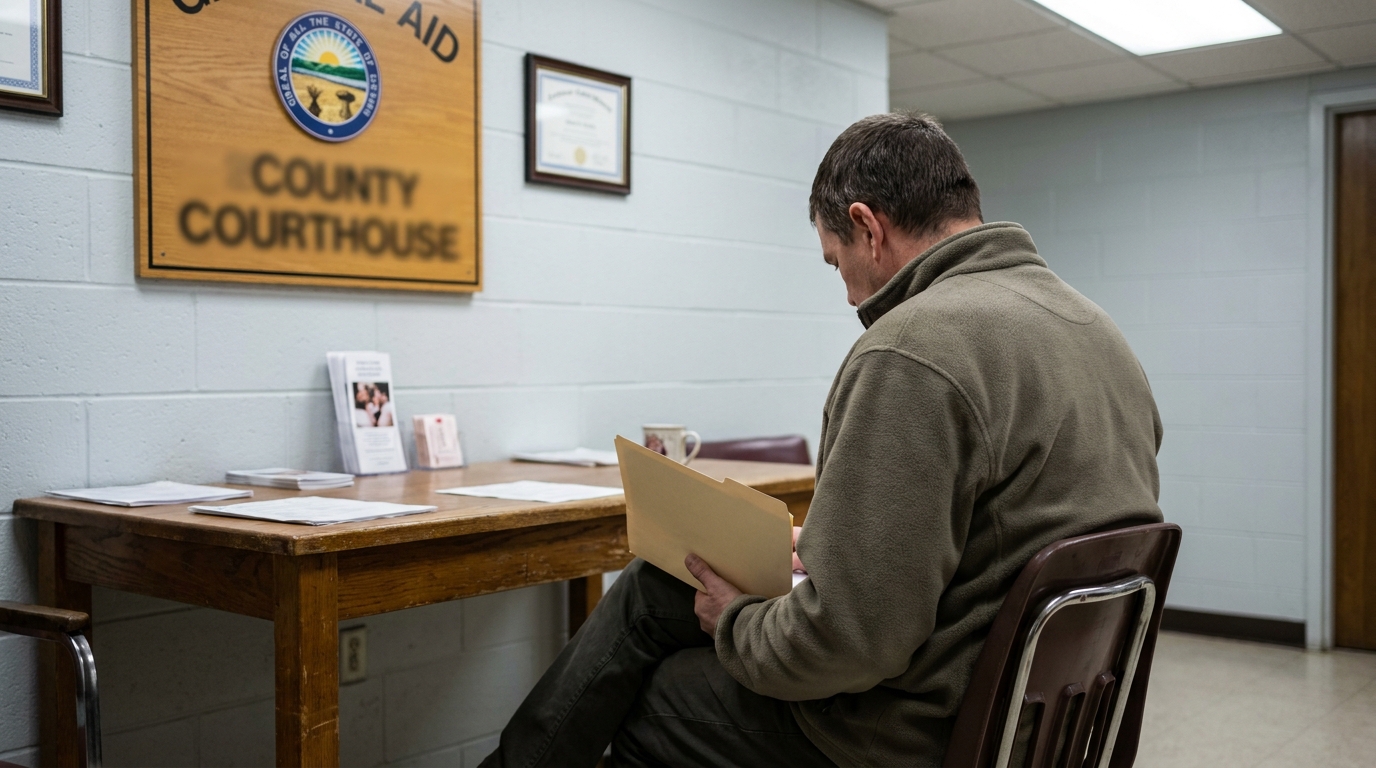
How Ohio’s Statute of Limitations Applies to Truck Accident Claims
Ohio law sets a firm two-year statute of limitations for personal injury and property damage claims arising from truck accidents. Under ORC § 2305.10(A), the clock starts when the injury or loss occurs, typically the collision date. A Dayton victim injured in 2024 would generally need to file suit by the same date in 2026.
This two-year deadline also applies to product liability claims. If a defective truck part, such as faulty brakes or a tire blowout, contributed to your crash, ORC § 2305.10(A) requires you to file within two years. Additionally, ORC § 2305.10(C)(1) imposes a ten-year statute of repose for product liability claims. Whether your claim targets the truck driver, trucking company, or parts manufacturer, both the two-year filing window and applicable repose period must be considered.
💡 Pro Tip: Document everything from the start, medical records, accident scene photos, police reports, and insurance communications. Evidence disappears quickly, and solid documentation protects your claim before you approach the filing deadline.
What Happens if Property Was Damaged in Your Truck Accident Attorney in Dayton Case
Truck crashes frequently cause both physical injuries and significant property damage. Your vehicle, personal belongings, and other property destroyed in a collision may give rise to separate claims. Under ORC § 2305.10, the two-year deadline covers property damage claims alongside bodily injury claims.
However, certain fraud-related claims may fall under a different statute. ORC § 2305.09 establishes a four-year statute of limitations for fraud and certain torts not covered by other limitation periods. If your claim involves fraud by an insurer or carrier, such as intentional misrepresentation or evidence concealment, this longer window may apply to the fraud-based portion. Standard property damage from a truck collision remains subject to the two-year deadline.
💡 Pro Tip: If you suspect a trucking company or insurer has misrepresented facts or hidden evidence, speak with an attorney promptly. Fraud claims carry a four-year window under ORC § 2305.09, but proving fraud requires early investigation.
When the Filing Deadline May Be Extended in Ohio
Ohio law provides limited exceptions that may pause or “toll” the statute of limitations under specific circumstances. Under ORC § 2305.16, if a person entitled to bring a claim is a minor or of unsound mind when the cause of action accrues, that person may bring the action within the applicable period after the disability is removed. For example, a minor injured at age 15 would generally have two years after turning 18 to file suit.
The tolling rule also addresses mental incapacity developing after the accident. If a victim becomes of unsound mind after the cause of action accrues and is either adjudicated as such or confined in an institution, that time is not counted toward the filing deadline. When parties have joint and inseparable interests, one party’s disability may benefit all parties for tolling purposes.
Courts interpret these exceptions narrowly. Tolling does not apply automatically, and establishing eligibility requires specific factual and legal showings. Other provisions, such as ORC § 2305.15 addressing absent, concealed, or imprisoned defendants, may apply in limited situations. If you believe tolling may apply, consulting with a truck accident attorney in Dayton promptly is essential.
| Claim Type | Statute | Filing Deadline | Key Notes |
|---|---|---|---|
| Bodily injury | ORC § 2305.10(A) | 2 years | Accrues on date of injury |
| Property damage | ORC § 2305.10(A) | 2 years | Covers personal property damage |
| Product liability | ORC § 2305.10(A) | 2 years | Defective truck parts or equipment; subject to a 10-year statute of repose under ORC § 2305.10(C) |
| Fraud-related claims | ORC § 2305.09 | 4 years | Applies to fraud by carriers or insurers |
| Claims by minors | ORC § 2305.16 | Tolled | Deadline pauses until minor turns 18, then the applicable limitations period runs |
How Comparative Negligence Affects Your Truck Accident Claim Ohio Recovery
Even if you were partially at fault, Ohio’s modified comparative negligence rule may still allow you to recover compensation. Under ORC § 2315.33, a plaintiff’s contributory fault does not bar recovery as long as the plaintiff’s fault does not exceed 50% of the combined fault of all persons from whom recovery is sought and all persons released from liability. If a jury finds you 30% at fault, you can still pursue a claim, but if you are 51% or more at fault, you are barred from recovery entirely.
Your compensation will be reduced proportionally to your fault. ORC § 2315.33 requires diminishing compensatory damages by an amount equal to your percentage of fault. If your total damages are $200,000 and you bear 20% fault, your award would be reduced to $160,000. Insurance companies and defense attorneys often try to shift blame onto victims, making a strong factual record critical.
💡 Pro Tip: Be cautious providing recorded statements to trucking company insurance adjusters. Anything you say can be used to inflate your fault percentage and reduce your recovery under Ohio’s comparative negligence framework.
Why Evidence Preservation Matters Before the Deadline
Critical evidence in truck accident cases can disappear quickly. Federal regulations require trucking companies to maintain certain records, but electronic data recorder information, driver logbooks, and GPS data may be overwritten within weeks or months. Surveillance footage, witness memories, and physical evidence all degrade over time.
Acting quickly preserves your ability to prove your claim. Requesting preservation of electronic logging device data, inspection records, and maintenance logs from the carrier strengthens your position. The personal injury deadline in Dayton does not wait for evidence gathering, so beginning the investigation early gives your legal team the best opportunity to build a compelling case.
The Role of FMCSA Regulations in Your Case
Truck accidents often involve regulatory violations beyond standard traffic laws. The Federal Motor Carrier Safety Administration (FMCSA) sets rules governing hours of service, vehicle maintenance, cargo securement, and driver qualifications. When a trucking company or driver violates these regulations, it serves as strong evidence of negligence.
Identifying regulatory breaches requires thorough review of carrier records. Hours-of-service violations, falsified logbooks, or skipped vehicle inspections can all point to trucking company liability. These details become harder to uncover the longer you wait.
💡 Pro Tip: Request a copy of the police report immediately after your accident. It often contains preliminary details about driver violations, road conditions, and witness contact information that can guide your investigation.
Steps to Protect Your Rights Before Time Runs Out
Taking action early after a Dayton truck accident puts you in the strongest position. While two years may seem like plenty of time, the investigation, negotiation, and preparation required can take many months. Here are steps to protect your claim:
- Seek immediate medical attention and follow treatment recommendations, creating a documented record of injuries
- Preserve evidence from the crash scene, including photos, dashcam footage, and witness contact information
- Avoid discussing fault or signing documents from insurance companies without legal guidance
- Keep a journal documenting injuries, pain levels, lost work days, and how the accident affects daily life
- Consult with an attorney who handles truck accident cases in Ohio before the deadline approaches
The two-year deadline under ORC § 2305.10 is strict. Courts generally will not grant extensions because a victim was unaware of the deadline or was negotiating with insurers. Proactive steps today protect your right to seek full compensation tomorrow.
💡 Pro Tip: If you are receiving ongoing medical treatment or still recovering, do not wait until treatment ends to consult an attorney. Early legal guidance ensures critical deadlines are met while you focus on healing.
Frequently Asked Questions
1. What is the truck crash statute of limitations in Ohio for filing a lawsuit?
Under ORC § 2305.10(A), Ohio imposes a two-year statute of limitations on bodily injury and personal property damage claims. The clock begins on the injury date. Product liability claims follow the same two-year deadline, though a ten-year statute of repose may also apply under ORC § 2305.10(C).
2. Can the two-year deadline be extended if the victim is a child?
Yes, in limited circumstances. ORC § 2305.16 provides that if a person is a minor when the cause of action accrues, the statute of limitations is tolled until the minor turns 18. The two-year filing period then begins.
3. Can I still recover compensation if I was partially at fault for the truck accident?
Ohio’s modified comparative negligence rule under ORC § 2315.33 allows recovery as long as your fault does not exceed 50%. Your compensatory damages will be reduced proportionately to your percentage of fault.
4. Does the two-year deadline apply to claims against trucking companies?
Generally, yes. Claims for bodily injury or property damage against trucking companies, drivers, or manufacturers typically fall under the two-year deadline in ORC § 2305.10(A). However, fraud-related claims may have a four-year window under ORC § 2305.09.
5. What should I do if the filing deadline is approaching and I have not taken legal action?
Contact an attorney immediately. Even if the deadline is near, an experienced truck accident attorney may be able to evaluate your claim and file within the remaining time. Delaying further risks losing your right to compensation. Explore Dayton truck accident legal help to learn about your options.
Take Action Before Ohio’s Filing Deadline Passes
The two-year statute of limitations for truck accident claims in Dayton is a hard boundary that can determine whether you receive compensation. Ohio law under ORC § 2305.10(A) provides a clear timeline, and while limited exceptions such as tolling for minors or mental incapacity may apply under ORC § 2305.16, courts interpret these provisions narrowly. Understanding Ohio’s comparative negligence rules, preserving evidence early, and identifying all potentially liable parties all require time and careful attention. The sooner you begin, the stronger your position.
If you or a family member was seriously injured in a Dayton truck crash, Horenstein Nicholson & Blumenthal can help you understand your rights and take the next steps. Call 937-224-7200 or contact us today to get started.
Related Posts

What Is Substantial Aggravation of a Pre-Existing Condition in Ohio?
When a Work Injury Makes an Old Problem Much Worse Key Takeaways: In Ohio, a substantial aggravation of a pre-existing condition occurs when a work injury meaningfully worsens an existing health problem, compensable under R.C. § 4123.01(C)(4) only when documented by objective diagnostic findings, objective clinical findings, or objective test results, not subjective pain complaints alone. Ohio’s no-fault system means having a bad back, arthritic joints,…
READ MORE
What Is an MCS-90 Endorsement in a Dayton Truck Accident Claim?
How the MCS-90 Endorsement Truck Accident Protection Actually Works The endorsement is a promise made to the public, not just to the insured carrier. Under 49 CFR 387.15, the insurer agrees to pay any final judgment recovered against the insured for public liability arising from negligent operation of motor vehicles, up to the applicable minimum limit. Because the obligation runs to the public, courts have held…
READ MORE
What Is the No-Zone Around Trucks in Dayton, Ohio?
Understanding the Hidden Danger of Truck Blind Spots on Dayton Roads Key Takeaways: The no-zone is the set of blind spot areas at the front, back, and both sides of a large truck where a smaller vehicle disappears from the driver’s view, creating a core hazard on Dayton roads like I-75 and U.S. 35. The right side is the largest blind spot and the rear leaves…
READ MOREWhat Is a Hit and Run Injury Claim Under Ohio Law for Dayton Victims?
Understanding Your Rights After a Hit-Skip Crash in the Miami Valley Key Takeaways: A hit and run injury claim under Ohio law allows Dayton victims to seek compensation after a driver flees, primarily through their own uninsured motorist (UM) coverage, since Ohio treats a fleeing driver like an uninsured one. Recovery remains possible even when the driver is never identified, provided independent corroborating evidence such as…
READ MORE
Should Dayton Drivers Move a Car After a Minor Ohio Collision?
The Short Answer for Dayton Drivers Facing a Fender Bender Key Takeaways: Dayton drivers can move a car after a minor Ohio collision, but only after fulfilling their legal duties first. Ohio law requires you to stop immediately, remain at the scene, and exchange identifying information including name, address, and vehicle registration before repositioning any vehicle. Once you’ve met those duties and documented the original positions…
READ MORE
What Should Dayton Workers Weigh Before Accepting a Lump Sum Settlement?
Understanding Lump Sum Settlements in Ohio’s Workers’ Comp System Key Takeaways: Before accepting a lump sum settlement (LSS), Dayton workers should weigh immediate financial relief against long-term rights they may permanently give up. An LSS closes all or part of a claim for a one-time payment often discounted to present value. Either party can initiate a settlement under Ohio law, so an employer’s offer may reflect…
READ MORE
What Makes a Dayton Truck Accident Case Harder to Prove Than a Car Crash?
Why Trucking Claims Demand a Different Playbook Than Ordinary Crashes Key Takeaways: A Dayton truck accident case is harder to prove than a car crash because liability can be spread across multiple parties, the driver, carrier, maintenance provider, and cargo loaders, each with separate insurance and defense counsel. Evidence is more technical, requiring driver logs, hours-of-service data, maintenance records, and black box downloads held by trucking…
READ MOREGet HNB to Help You
What our client has to say

Laurie Ruscillo
in Google Reviews
“During a very difficult time, there was compassion and a truly dedicated effort from the staff for a favorable outcome with a disability claim from the Social Security Administration.”
Related Posts
What Is Substantial Aggravation of a Pre-Existing Condition in Ohio?
When a Work Injury Makes an Old Problem Much Worse Key Takeaways: In Ohio, a substantial aggravation of a pre-existing condition occurs when a work injury meaningfully worsens an existing health problem, compensable under R.C. § 4123.01(C)(4) only when documented by objective diagnostic findings, objective clinical findings, or objective test results, not subjective pain complaints alone. Ohio’s no-fault system means having a bad back, arthritic joints,…
READ MORE What Is an MCS-90 Endorsement in a Dayton Truck Accident Claim?
How the MCS-90 Endorsement Truck Accident Protection Actually Works The endorsement is a promise made to the public, not just to the insured carrier. Under 49 CFR 387.15, the insurer agrees to pay any final judgment recovered against the insured for public liability arising from negligent operation of motor vehicles, up to the applicable minimum limit. Because the obligation runs to the public, courts have held…
READ MORE What Is the No-Zone Around Trucks in Dayton, Ohio?
Understanding the Hidden Danger of Truck Blind Spots on Dayton Roads Key Takeaways: The no-zone is the set of blind spot areas at the front, back, and both sides of a large truck where a smaller vehicle disappears from the driver’s view, creating a core hazard on Dayton roads like I-75 and U.S. 35. The right side is the largest blind spot and the rear leaves…
READ MOREWhat Is a Hit and Run Injury Claim Under Ohio Law for Dayton Victims?
Understanding Your Rights After a Hit-Skip Crash in the Miami Valley Key Takeaways: A hit and run injury claim under Ohio law allows Dayton victims to seek compensation after a driver flees, primarily through their own uninsured motorist (UM) coverage, since Ohio treats a fleeing driver like an uninsured one. Recovery remains possible even when the driver is never identified, provided independent corroborating evidence such as…
READ MORE Should Dayton Drivers Move a Car After a Minor Ohio Collision?
The Short Answer for Dayton Drivers Facing a Fender Bender Key Takeaways: Dayton drivers can move a car after a minor Ohio collision, but only after fulfilling their legal duties first. Ohio law requires you to stop immediately, remain at the scene, and exchange identifying information including name, address, and vehicle registration before repositioning any vehicle. Once you’ve met those duties and documented the original positions…
READ MORE What Should Dayton Workers Weigh Before Accepting a Lump Sum Settlement?
Understanding Lump Sum Settlements in Ohio’s Workers’ Comp System Key Takeaways: Before accepting a lump sum settlement (LSS), Dayton workers should weigh immediate financial relief against long-term rights they may permanently give up. An LSS closes all or part of a claim for a one-time payment often discounted to present value. Either party can initiate a settlement under Ohio law, so an employer’s offer may reflect…
READ MORE What Makes a Dayton Truck Accident Case Harder to Prove Than a Car Crash?
Why Trucking Claims Demand a Different Playbook Than Ordinary Crashes Key Takeaways: A Dayton truck accident case is harder to prove than a car crash because liability can be spread across multiple parties, the driver, carrier, maintenance provider, and cargo loaders, each with separate insurance and defense counsel. Evidence is more technical, requiring driver logs, hours-of-service data, maintenance records, and black box downloads held by trucking…
READ MORE


Phone

Hours
AVAILABLE 24/7
OFFICES
Dayton, OH
220 E. Monument Ave.
Suite 305
Dayton, OH 45402