
What Is a Hit and Run Injury Claim Under Ohio Law for Dayton Victims?
Understanding Your Rights After a Hit-Skip Crash in the Miami Valley
Key Takeaways: A hit and run injury claim under Ohio law allows Dayton victims to seek compensation after a driver flees, primarily through their own uninsured motorist (UM) coverage, since Ohio treats a fleeing driver like an uninsured one. Recovery remains possible even when the driver is never identified, provided independent corroborating evidence such as witness statements or camera footage supports the claim. Victims must establish negligence through duty, breach, causation, and damages, and may pursue both economic losses like medical bills and lost wages and noneconomic losses like pain and suffering. Ohio’s modified comparative negligence rule under ORC 2315.33 permits recovery as long as you are not more than 50% at fault, though your award is reduced by your share of fault. Claims must generally be filed within the two-year statute of limitations under ORC 2305.10(A), which starts on the date of the crash.
A hit and run injury claim under Ohio law lets an injured victim seek compensation after a driver flees the scene, often by turning to their own uninsured motorist (UM) coverage or by pursuing the at-fault driver if identified. For Dayton victims, this matters because Ohio treats a fleeing motorist like an uninsured one, opening the door to recovery even when the responsible driver is never found, provided you carry UM coverage. Understanding how these claims work and the deadlines that apply can protect your ability to recover damages for medical bills, lost wages, and pain and suffering.
If you were hurt in a hit-skip crash, the team at Horenstein Nicholson & Blumenthal is ready to help you understand your options. You can reach our office at 937-224-7200 for a free case review, or you can contact us now to discuss your situation. Taking early action helps preserve evidence and protect your legal rights.
What Ohio Law Recognizes as a Hit-Skip Crash
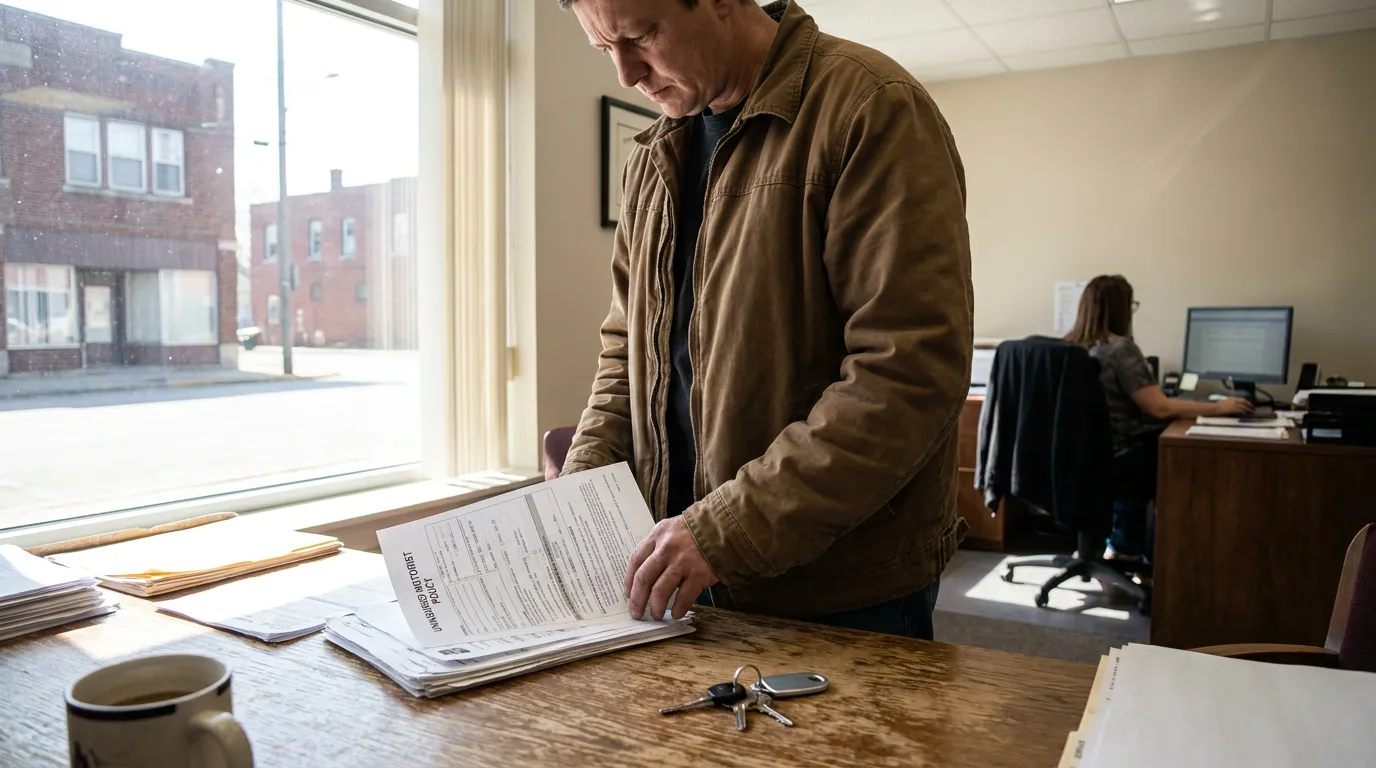
A hit-skip crash occurs when a driver causes an accident and then leaves the scene without stopping to exchange information or render aid. In these situations, identifying the at-fault driver may be impossible, which is why Ohio’s insurance framework allows injured victims who carry uninsured motorist coverage to look to that coverage. Under ORC 3937.18, an unidentified hit-and-run driver qualifies as an “uninsured motorist” only when independent corroborative evidence exists to prove that the unidentified driver’s negligence caused the injury. The insured’s own testimony alone does not satisfy that requirement unless supported by additional evidence.
The core legal framework treats a hit-and-run driver as a form of uninsured motorist, giving victims who carry UM coverage a recovery avenue when the negligent party cannot be located. This is significant because your claim does not automatically fail simply because the other driver fled. Instead, your own policy and the surrounding evidence may support recovery, subject to your coverage terms, the statutory corroborative-evidence requirement, and applicable law.
💡 Pro Tip: Report the crash to police immediately and request a copy of the accident report. A prompt report and corroborating evidence, such as witness statements or nearby camera footage, can strengthen a hit-and-run claim tied to uninsured motorist coverage.
Proving Negligence in a Dayton Car Accident Claim
To recover in most car accidents in Dayton Ohio, you must establish the four elements of negligence: duty, breach, causation, and damages. A driver owes a duty to operate their vehicle safely, breaches that duty through careless or unlawful conduct, and causes harm that results in measurable losses. In a hit-and-run case, the challenge often lies in connecting the fleeing driver to the crash, which makes documentation and prompt investigation especially important.
Ohio law defines the type of case you are pursuing as a tort action, which shapes the damages available to you. Under ORC 2307.011(J), a “tort action” means a civil action for damages for injury, death, or loss to person or property. ORC 2307.011(E) defines noneconomic loss as nonpecuniary harm, including pain and suffering and loss of society, consortium, companionship, care, assistance, attention, protection, advice, and guidance.
The kinds of damages a hit-and-run victim may seek generally include:
- Economic losses such as medical expenses and lost income
- Noneconomic losses such as pain and suffering
- Losses tied to loss of consortium and companionship
💡 Pro Tip: Keep a detailed file of every medical visit, prescription, and missed workday. Consistent documentation of your treatment and lost earnings helps demonstrate both causation and the full scope of your damages.
How Comparative Fault Affects Your Recovery
Ohio follows a modified comparative negligence rule, meaning you can recover damages as long as you are not more than 50% at fault. Under ORC 2315.33, contributory fault does not bar recovery if the plaintiff’s contributory fault was not greater than the combined tortious conduct of all other persons from whom the plaintiff seeks recovery.
Any compensation you recover is reduced in proportion to your own share of fault. The Ohio comparative fault statute directs the court to diminish any compensatory damages recoverable by the plaintiff by an amount proportionately equal to the plaintiff’s percentage of tortious conduct. A partially at-fault claimant receives a diminished award rather than none at all.
Ohio law defines contributory fault as contributory negligence, other contributory tortious conduct, or express or implied assumption of the risk under ORC 2307.011(B). Because these determinations turn on specific facts, outcomes vary from one Dayton car accident claim to the next.
Filing a Hit and Run Injury Claim Within Ohio’s Deadline
A hit and run injury claim must generally be filed within Ohio’s two-year statute of limitations for bodily injury. Under ORC 2305.10(A), an action for bodily injury or injuring personal property shall be brought within two years after the cause of action accrues. A cause of action accrues when the injury or loss to person or property occurs, which helps Dayton victims calculate their deadline from the date of the crash. Note that a claim for UM benefits is contractual in nature, and your policy may set separate notice or filing requirements.
A lawsuit begins by filing a Complaint, and it must be filed before the limitations period expires. For auto accidents, the clock generally starts on the day of the accident, and the case must be filed within two years of that date.
Limited exceptions may affect the deadline, but courts interpret these exceptions narrowly. The two-year injury statute contains built-in delayed-accrual provisions for certain latent, exposure-based injuries, where the cause of action may accrue when a plaintiff is informed by competent medical authority of the injury or should have known through reasonable diligence. In some situations, the clock can be tolled or extended, but tolling does not apply automatically. Victims should confirm their specific deadline rather than assume an extension applies.
💡 Pro Tip: Do not wait until the deadline approaches to seek guidance. Investigation, evidence preservation, and insurance notification often take time, and starting early gives your claim the strongest footing.
Comparing Key Deadlines and Fault Rules
| Legal Issue | Governing Statute | General Rule |
|---|---|---|
| Bodily injury deadline | ORC 2305.10(A) | Two years from when the injury occurs |
| Comparative fault | ORC 2315.33 | Recovery barred only if more than 50% at fault |
| Damages reduction | ORC 2315.33 | Award reduced by plaintiff’s fault percentage |
| Tort action definition | ORC 2307.011(J) | Civil action for injury, death, or loss |
Practical Steps to Protect a Dayton Hit-Skip Claim
Preserving evidence early is one of the most important things a hit-and-run victim can do. Photographs of the scene, witness contact information, and prompt medical evaluation all help build a record that supports both liability and damages. Because a fleeing driver may never be identified, independent corroborating evidence often plays a central role in an uninsured motorist claim.
Working with a knowledgeable Dayton Ohio car accident attorney can help you navigate insurer tactics and coverage questions. Insurance companies may minimize claims, and understanding your policy terms is essential. You can explore additional resources on the firm’s Dayton car accident claim blog to learn more about your rights after a crash.
💡 Pro Tip: Avoid giving a recorded statement to an insurer before you understand your rights. What you say early in the process can affect how fault and damages are later evaluated.
Frequently Asked Questions
-
Can I recover if the hit-and-run driver is never found?
Yes, recovery may still be possible through uninsured motorist coverage if you carry it. Ohio treats a fleeing driver like an uninsured one, and independent corroborating evidence, beyond your own testimony, can support a claim even when the driver is not identified.
-
How long do I have to file my claim?
You generally have two years from the date of the crash under ORC 2305.10(A). Limited exceptions may apply, but courts construe them narrowly, and your UM policy may impose separate requirements.
-
What if I was partly at fault?
You may still recover as long as you are not more than 50% at fault. Under ORC 2315.33, your damages are reduced by your percentage of fault.
-
What damages can I pursue?
You may seek both economic and noneconomic losses. Under ORC 2307.011(E), noneconomic loss includes pain and suffering and loss of consortium and companionship, in addition to medical bills and lost income.
-
Should I speak with a lawyer before contacting the insurer?
In many cases, it is wise to understand your rights first. A knowledgeable advocate can help you navigate coverage questions and avoid statements that could reduce your recovery.
Moving Forward After a Hit-Skip Crash
A hit and run injury claim gives Dayton victims a meaningful path to recovery, even when the responsible driver flees the scene, provided they carry uninsured motorist coverage and can supply independent corroborating evidence. Ohio law provides a two-year filing window under ORC 2305.10(A), a comparative fault framework under ORC 2315.33 that preserves recovery for those not more than 50% at fault, and clear definitions of the damages you may pursue under ORC 2307.011.
If a fleeing driver left you injured, the attorneys at Horenstein Nicholson & Blumenthal are ready to review your options and help you pursue the compensation you deserve. Call 937-224-7200 today, or reach out to our team to schedule your free consultation and protect your rights.
Related Posts

What Is Substantial Aggravation of a Pre-Existing Condition in Ohio?
When a Work Injury Makes an Old Problem Much Worse Key Takeaways: In Ohio, a substantial aggravation of a pre-existing condition occurs when a work injury meaningfully worsens an existing health problem, compensable under R.C. § 4123.01(C)(4) only when documented by objective diagnostic findings, objective clinical findings, or objective test results, not subjective pain complaints alone. Ohio’s no-fault system means having a bad back, arthritic joints,…
READ MORE
What Is an MCS-90 Endorsement in a Dayton Truck Accident Claim?
How the MCS-90 Endorsement Truck Accident Protection Actually Works The endorsement is a promise made to the public, not just to the insured carrier. Under 49 CFR 387.15, the insurer agrees to pay any final judgment recovered against the insured for public liability arising from negligent operation of motor vehicles, up to the applicable minimum limit. Because the obligation runs to the public, courts have held…
READ MORE
What Is the No-Zone Around Trucks in Dayton, Ohio?
Understanding the Hidden Danger of Truck Blind Spots on Dayton Roads Key Takeaways: The no-zone is the set of blind spot areas at the front, back, and both sides of a large truck where a smaller vehicle disappears from the driver’s view, creating a core hazard on Dayton roads like I-75 and U.S. 35. The right side is the largest blind spot and the rear leaves…
READ MORE
Should Dayton Drivers Move a Car After a Minor Ohio Collision?
The Short Answer for Dayton Drivers Facing a Fender Bender Key Takeaways: Dayton drivers can move a car after a minor Ohio collision, but only after fulfilling their legal duties first. Ohio law requires you to stop immediately, remain at the scene, and exchange identifying information including name, address, and vehicle registration before repositioning any vehicle. Once you’ve met those duties and documented the original positions…
READ MORE
What Should Dayton Workers Weigh Before Accepting a Lump Sum Settlement?
Understanding Lump Sum Settlements in Ohio’s Workers’ Comp System Key Takeaways: Before accepting a lump sum settlement (LSS), Dayton workers should weigh immediate financial relief against long-term rights they may permanently give up. An LSS closes all or part of a claim for a one-time payment often discounted to present value. Either party can initiate a settlement under Ohio law, so an employer’s offer may reflect…
READ MORE
What Makes a Dayton Truck Accident Case Harder to Prove Than a Car Crash?
Why Trucking Claims Demand a Different Playbook Than Ordinary Crashes Key Takeaways: A Dayton truck accident case is harder to prove than a car crash because liability can be spread across multiple parties, the driver, carrier, maintenance provider, and cargo loaders, each with separate insurance and defense counsel. Evidence is more technical, requiring driver logs, hours-of-service data, maintenance records, and black box downloads held by trucking…
READ MORE
How to Protect a Dayton Car Accident Claim From Adjuster Tactics
Why Dayton Drivers Lose Value on Otherwise Strong Claims Key Takeaways: Insurance adjusters minimize payouts using predictable tactics like delays, lowball offers, recorded statements, and inflated fault arguments. To protect a Dayton car accident claim, know what to do after a crash in Ohio before signing anything or giving a statement. Document the scene, seek prompt medical care, and preserve all evidence. Understand Ohio’s modified comparative…
READ MOREGet HNB to Help You
What our client has to say

Laurie Ruscillo
in Google Reviews
“During a very difficult time, there was compassion and a truly dedicated effort from the staff for a favorable outcome with a disability claim from the Social Security Administration.”
Related Posts
What Is Substantial Aggravation of a Pre-Existing Condition in Ohio?
When a Work Injury Makes an Old Problem Much Worse Key Takeaways: In Ohio, a substantial aggravation of a pre-existing condition occurs when a work injury meaningfully worsens an existing health problem, compensable under R.C. § 4123.01(C)(4) only when documented by objective diagnostic findings, objective clinical findings, or objective test results, not subjective pain complaints alone. Ohio’s no-fault system means having a bad back, arthritic joints,…
READ MORE What Is an MCS-90 Endorsement in a Dayton Truck Accident Claim?
How the MCS-90 Endorsement Truck Accident Protection Actually Works The endorsement is a promise made to the public, not just to the insured carrier. Under 49 CFR 387.15, the insurer agrees to pay any final judgment recovered against the insured for public liability arising from negligent operation of motor vehicles, up to the applicable minimum limit. Because the obligation runs to the public, courts have held…
READ MORE What Is the No-Zone Around Trucks in Dayton, Ohio?
Understanding the Hidden Danger of Truck Blind Spots on Dayton Roads Key Takeaways: The no-zone is the set of blind spot areas at the front, back, and both sides of a large truck where a smaller vehicle disappears from the driver’s view, creating a core hazard on Dayton roads like I-75 and U.S. 35. The right side is the largest blind spot and the rear leaves…
READ MORE Should Dayton Drivers Move a Car After a Minor Ohio Collision?
The Short Answer for Dayton Drivers Facing a Fender Bender Key Takeaways: Dayton drivers can move a car after a minor Ohio collision, but only after fulfilling their legal duties first. Ohio law requires you to stop immediately, remain at the scene, and exchange identifying information including name, address, and vehicle registration before repositioning any vehicle. Once you’ve met those duties and documented the original positions…
READ MORE What Should Dayton Workers Weigh Before Accepting a Lump Sum Settlement?
Understanding Lump Sum Settlements in Ohio’s Workers’ Comp System Key Takeaways: Before accepting a lump sum settlement (LSS), Dayton workers should weigh immediate financial relief against long-term rights they may permanently give up. An LSS closes all or part of a claim for a one-time payment often discounted to present value. Either party can initiate a settlement under Ohio law, so an employer’s offer may reflect…
READ MORE What Makes a Dayton Truck Accident Case Harder to Prove Than a Car Crash?
Why Trucking Claims Demand a Different Playbook Than Ordinary Crashes Key Takeaways: A Dayton truck accident case is harder to prove than a car crash because liability can be spread across multiple parties, the driver, carrier, maintenance provider, and cargo loaders, each with separate insurance and defense counsel. Evidence is more technical, requiring driver logs, hours-of-service data, maintenance records, and black box downloads held by trucking…
READ MORE How to Protect a Dayton Car Accident Claim From Adjuster Tactics
Why Dayton Drivers Lose Value on Otherwise Strong Claims Key Takeaways: Insurance adjusters minimize payouts using predictable tactics like delays, lowball offers, recorded statements, and inflated fault arguments. To protect a Dayton car accident claim, know what to do after a crash in Ohio before signing anything or giving a statement. Document the scene, seek prompt medical care, and preserve all evidence. Understand Ohio’s modified comparative…
READ MORE


Phone

Hours
AVAILABLE 24/7
OFFICES
Dayton, OH
220 E. Monument Ave.
Suite 305
Dayton, OH 45402