

What Is the No-Zone Around Trucks in Dayton, Ohio?
Understanding the Hidden Danger of Truck Blind Spots on Dayton Roads
Key Takeaways: The no-zone is the set of blind spot areas at the front, back, and both sides of a large truck where a smaller vehicle disappears from the driver’s view, creating a core hazard on Dayton roads like I-75 and U.S. 35. The right side is the largest blind spot and the rear leaves you completely invisible, while the front removes the truck’s stopping room. Under Ohio’s modified comparative negligence rule (Ohio Revised Code § 2315.33), you can recover damages if you are not more than 50% at fault, though your award is reduced by your share of responsibility. Staying visible in mirrors, avoiding cutting in close, and not tailgating dramatically lower your risk. If injured, act quickly to preserve black box data and driver logs.
The no-zone is the group of blind spot areas around a large truck or bus where a smaller vehicle can vanish from the driver’s view. These zones sit at the front, back, and both sides of a commercial vehicle, and they cause serious collisions on Interstate 75, U.S. 35, and busy Dayton streets. When a car lingers in one of these areas, the truck driver may have no idea it is there.
If you or a loved one has been hurt in a truck collision, the team at Horenstein Nicholson & Blumenthal is ready to listen. Reach a Dayton truck accident attorney by calling (937) 224-7200 or through our online case review form.
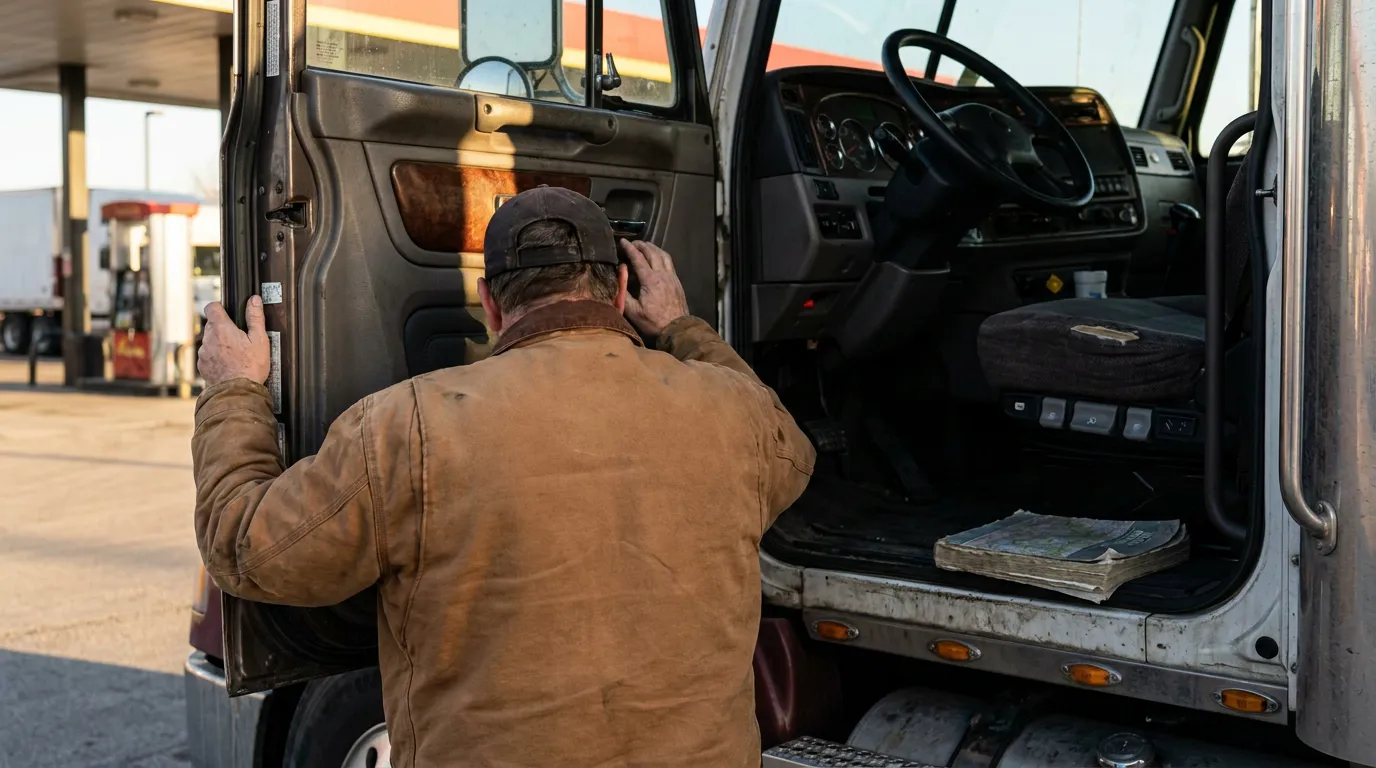
What Is the No-Zone and Why It Puts Dayton Drivers at Risk
Knowing what is the no zone starts with understanding how a large truck sees the road differently than a passenger car. Commercial trucks and buses have limited visibility in specific areas, and a driver cannot react to a vehicle they cannot see. According to the U.S. Department of Transportation, drivers should stay out of the “no zones” or blind spots around the front, back and sides of the vehicle. A helpful rule: if you cannot see the driver’s face in their mirror, you’re in a blind spot.
These blind spots exist on all four sides, and each carries its own dangers. Understanding where they are is the first step toward avoiding a no-zone collision.
The Four Blind Spots Around a Large Truck
Every commercial truck has four primary no-zones, and lingering in any of them raises your risk. The front no-zone extends ahead of the cab, the rear stretches far behind the trailer, and the two side no-zones are largest on the right. Federal guidance explains that the large blind spots around trucks make it difficult for drivers to track nearby cars.
- Front no-zone: The area directly ahead of the cab where cutting in too soon removes the truck’s stopping room.
- Rear no-zone: The space behind the trailer where the driver cannot see you at all if you tailgate.
- Left side no-zone: A blind area along the driver’s side that shrinks as you move forward.
- Right side no-zone: The largest blind spot, extending across several lanes toward the passenger side.
💡 Pro Tip: When you cannot see the truck’s side mirrors, assume the driver cannot see you. Adjust your speed or lane position until you can make eye contact through the mirror.
Why Large Trucks Create Greater Risk Than Passenger Cars
Large trucks behave differently than cars in ways that make no-zone crashes especially severe. A fully loaded tractor-trailer can weigh many times more than a passenger vehicle, and that mass changes how the truck accelerates, turns, and stops. Federal regulators point out that trucks and buses face unique safety challenges like blind spots, wide turns, and long stopping distances.
The physics involved are unforgiving. A collision that might cause minor damage between two cars can produce catastrophic injuries when a commercial truck is involved, which is why understanding truck blind spots in Dayton is important for local drivers.
Wide Turns and Long Stopping Distances
Two of the biggest hazards involve how trucks turn and how long they take to stop. Because of their length, trucks and buses need extra space to turn and may swing out to the left to create enough turning space. This wide-turn maneuver frequently surprises drivers on tighter urban streets in downtown Dayton, where a driver may try to squeeze past on the right and end up trapped.
Stopping distance is equally critical. Safety data shows that trucks traveling at highway speeds can take up to two football fields to stop. When a driver merges into the front no-zone and brakes, the truck may not have room to avoid a collision.
💡 Pro Tip: When passing a truck, signal early, move decisively, and only return to the lane once you can see the entire front of the truck in your rearview mirror.
How Ohio Law Treats Fault in a No-Zone Truck Crash
Ohio follows a fault-based system that can reduce or bar recovery depending on each party’s share of responsibility. Truck accident cases often involve disputes about whether the injured driver contributed to the crash by sitting in a no-zone. Understanding the state’s negligence rules matters before you speak with an insurance adjuster.
Under Ohio Revised Code § 2315.33, an injured person may still recover damages even when partially at fault. The statute provides that the contributory fault of a person does not bar the person as plaintiff from recovering damages… if the contributory fault of the plaintiff was not greater than the combined tortious conduct of all other persons from whom the plaintiff seeks recovery.
Modified Comparative Negligence in Ohio
The modified comparative negligence rule means you can recover damages as long as you are not more than 50% at fault. Even when recovery is allowed, your compensation is reduced by your share of responsibility. The Ohio Revised Code § 2315.33 directs that the court shall diminish any compensatory damages recoverable by the plaintiff by an amount that is proportionately equal to the percentage of tortious conduct of the plaintiff as determined pursuant to section 2315.34 of the Revised Code.
Fault determinations are fact-dependent, and courts consider factors such as speed, positioning, and the truck driver’s regulatory violations. Because outcomes depend on specific evidence, careful investigation of a Dayton Ohio truck crash is valuable.
| No-Zone Location | Common Hazard | Practical Precaution |
|---|---|---|
| Front | Reduced stopping distance | Avoid cutting in close |
| Rear | Total loss of driver visibility | Stay back several car lengths |
| Left side | Lane-change blind spot | Pass promptly, do not linger |
| Right side | Largest blind zone, wide turns | Never pass on the right |
💡 Pro Tip: After a crash, avoid admitting fault at the scene. Statements you make to a driver or adjuster can later be used to increase your assigned percentage of responsibility.
Safe Driving Tips to Avoid a No-Zone Collision
Simple habits can dramatically lower your risk of a semi truck blind spot crash in Ohio. Federal safety guidance offers straightforward steps that every Dayton motorist can follow. You can review more detailed guidance on safe driving around large trucks to build good habits before you share a lane with an 18-wheeler.
Key precautions include making sure the driver can see you in the mirror before you pass, avoiding merging too closely in front of a truck, and staying back a safe distance so you do not disappear into the rear blind spot.
💡 Pro Tip: On multi-lane highways, try to pass a truck on the left side, where the blind spot is smaller, and complete your pass rather than settling alongside the trailer.
Preserving Evidence After a Dayton Truck Crash
Strong truck accident claims depend on evidence that can disappear quickly. Commercial vehicles carry data recorders, electronic logging devices, and maintenance records that may show hours-of-service violations, mechanical neglect, or improper cargo loading. Preserving black box data, driver logbooks, inspection reports, and witness statements early can make a meaningful difference in proving how a no-zone collision occurred.
Because carriers and insurers often move fast to protect themselves, injured victims benefit from prompt legal guidance. You can learn more by reading additional Dayton personal injury insights covering related road safety and liability topics. A knowledgeable truck accident lawyer in Dayton can help send preservation letters and gather the documentation your claim may require.
Frequently Asked Questions
-
What is the no zone in simple terms?
The no-zone refers to the blind spot areas around the front, back, and sides of a large truck or bus where the driver cannot see nearby vehicles. Staying visible in the mirrors reduces your risk.
-
Can I still recover damages if I was in a truck’s blind spot?
In many cases, yes. Ohio applies a modified comparative negligence rule, so you may recover as long as you are not more than 50% at fault, though your award may be reduced by your share of responsibility.
-
Which truck no-zone is the most dangerous?
The right-side blind spot is generally the largest, and the rear blind spot leaves you completely invisible to the driver. Both create serious risk, and outcomes depend on the specific facts.
-
How soon should I act after a Dayton truck accident?
As soon as reasonably possible. Physical evidence and electronic data can be lost quickly, so early investigation helps preserve the proof needed to support a claim.
-
Does being partially at fault mean I get nothing?
Not necessarily. Under Ohio Revised Code § 2315.33, partial fault reduces recovery proportionally rather than eliminating it, provided you are not more than 50% responsible.
Protecting Your Rights After a No-Zone Truck Crash
Understanding the no-zone helps Dayton drivers stay safer and helps injured victims understand their legal options. Large trucks carry inherent limitations involving blind spots, wide turns, and long stopping distances, and these realities shape both crash prevention and liability. When a truck driver fails to account for these hazards, an injured plaintiff may have a strong claim, subject to Ohio’s fault-based rules.
If a truck no-zone collision has upended your life, the attorneys at Horenstein Nicholson & Blumenthal are prepared to help you pursue full and fair compensation. Call our office today at (937) 224-7200 or complete our confidential contact request to schedule a consultation. You focus on healing, and let a dedicated advocate handle the fight for your recovery.
Related Posts

What Is Substantial Aggravation of a Pre-Existing Condition in Ohio?
When a Work Injury Makes an Old Problem Much Worse Key Takeaways: In Ohio, a substantial aggravation of a pre-existing condition occurs when a work injury meaningfully worsens an existing health problem, compensable under R.C. § 4123.01(C)(4) only when documented by objective diagnostic findings, objective clinical findings, or objective test results, not subjective pain complaints alone. Ohio’s no-fault system means having a bad back, arthritic joints,…
READ MORE
What Is an MCS-90 Endorsement in a Dayton Truck Accident Claim?
How the MCS-90 Endorsement Truck Accident Protection Actually Works The endorsement is a promise made to the public, not just to the insured carrier. Under 49 CFR 387.15, the insurer agrees to pay any final judgment recovered against the insured for public liability arising from negligent operation of motor vehicles, up to the applicable minimum limit. Because the obligation runs to the public, courts have held…
READ MOREWhat Is a Hit and Run Injury Claim Under Ohio Law for Dayton Victims?
Understanding Your Rights After a Hit-Skip Crash in the Miami Valley Key Takeaways: A hit and run injury claim under Ohio law allows Dayton victims to seek compensation after a driver flees, primarily through their own uninsured motorist (UM) coverage, since Ohio treats a fleeing driver like an uninsured one. Recovery remains possible even when the driver is never identified, provided independent corroborating evidence such as…
READ MORE
Should Dayton Drivers Move a Car After a Minor Ohio Collision?
The Short Answer for Dayton Drivers Facing a Fender Bender Key Takeaways: Dayton drivers can move a car after a minor Ohio collision, but only after fulfilling their legal duties first. Ohio law requires you to stop immediately, remain at the scene, and exchange identifying information including name, address, and vehicle registration before repositioning any vehicle. Once you’ve met those duties and documented the original positions…
READ MORE
What Should Dayton Workers Weigh Before Accepting a Lump Sum Settlement?
Understanding Lump Sum Settlements in Ohio’s Workers’ Comp System Key Takeaways: Before accepting a lump sum settlement (LSS), Dayton workers should weigh immediate financial relief against long-term rights they may permanently give up. An LSS closes all or part of a claim for a one-time payment often discounted to present value. Either party can initiate a settlement under Ohio law, so an employer’s offer may reflect…
READ MORE
What Makes a Dayton Truck Accident Case Harder to Prove Than a Car Crash?
Why Trucking Claims Demand a Different Playbook Than Ordinary Crashes Key Takeaways: A Dayton truck accident case is harder to prove than a car crash because liability can be spread across multiple parties, the driver, carrier, maintenance provider, and cargo loaders, each with separate insurance and defense counsel. Evidence is more technical, requiring driver logs, hours-of-service data, maintenance records, and black box downloads held by trucking…
READ MORE
How to Protect a Dayton Car Accident Claim From Adjuster Tactics
Why Dayton Drivers Lose Value on Otherwise Strong Claims Key Takeaways: Insurance adjusters minimize payouts using predictable tactics like delays, lowball offers, recorded statements, and inflated fault arguments. To protect a Dayton car accident claim, know what to do after a crash in Ohio before signing anything or giving a statement. Document the scene, seek prompt medical care, and preserve all evidence. Understand Ohio’s modified comparative…
READ MOREGet HNB to Help You
What our client has to say

Laurie Ruscillo
in Google Reviews
“During a very difficult time, there was compassion and a truly dedicated effort from the staff for a favorable outcome with a disability claim from the Social Security Administration.”
Related Posts
What Is Substantial Aggravation of a Pre-Existing Condition in Ohio?
When a Work Injury Makes an Old Problem Much Worse Key Takeaways: In Ohio, a substantial aggravation of a pre-existing condition occurs when a work injury meaningfully worsens an existing health problem, compensable under R.C. § 4123.01(C)(4) only when documented by objective diagnostic findings, objective clinical findings, or objective test results, not subjective pain complaints alone. Ohio’s no-fault system means having a bad back, arthritic joints,…
READ MORE What Is an MCS-90 Endorsement in a Dayton Truck Accident Claim?
How the MCS-90 Endorsement Truck Accident Protection Actually Works The endorsement is a promise made to the public, not just to the insured carrier. Under 49 CFR 387.15, the insurer agrees to pay any final judgment recovered against the insured for public liability arising from negligent operation of motor vehicles, up to the applicable minimum limit. Because the obligation runs to the public, courts have held…
READ MOREWhat Is a Hit and Run Injury Claim Under Ohio Law for Dayton Victims?
Understanding Your Rights After a Hit-Skip Crash in the Miami Valley Key Takeaways: A hit and run injury claim under Ohio law allows Dayton victims to seek compensation after a driver flees, primarily through their own uninsured motorist (UM) coverage, since Ohio treats a fleeing driver like an uninsured one. Recovery remains possible even when the driver is never identified, provided independent corroborating evidence such as…
READ MORE Should Dayton Drivers Move a Car After a Minor Ohio Collision?
The Short Answer for Dayton Drivers Facing a Fender Bender Key Takeaways: Dayton drivers can move a car after a minor Ohio collision, but only after fulfilling their legal duties first. Ohio law requires you to stop immediately, remain at the scene, and exchange identifying information including name, address, and vehicle registration before repositioning any vehicle. Once you’ve met those duties and documented the original positions…
READ MORE What Should Dayton Workers Weigh Before Accepting a Lump Sum Settlement?
Understanding Lump Sum Settlements in Ohio’s Workers’ Comp System Key Takeaways: Before accepting a lump sum settlement (LSS), Dayton workers should weigh immediate financial relief against long-term rights they may permanently give up. An LSS closes all or part of a claim for a one-time payment often discounted to present value. Either party can initiate a settlement under Ohio law, so an employer’s offer may reflect…
READ MORE What Makes a Dayton Truck Accident Case Harder to Prove Than a Car Crash?
Why Trucking Claims Demand a Different Playbook Than Ordinary Crashes Key Takeaways: A Dayton truck accident case is harder to prove than a car crash because liability can be spread across multiple parties, the driver, carrier, maintenance provider, and cargo loaders, each with separate insurance and defense counsel. Evidence is more technical, requiring driver logs, hours-of-service data, maintenance records, and black box downloads held by trucking…
READ MORE How to Protect a Dayton Car Accident Claim From Adjuster Tactics
Why Dayton Drivers Lose Value on Otherwise Strong Claims Key Takeaways: Insurance adjusters minimize payouts using predictable tactics like delays, lowball offers, recorded statements, and inflated fault arguments. To protect a Dayton car accident claim, know what to do after a crash in Ohio before signing anything or giving a statement. Document the scene, seek prompt medical care, and preserve all evidence. Understand Ohio’s modified comparative…
READ MORE


Phone

Hours
AVAILABLE 24/7
OFFICES
Dayton, OH
220 E. Monument Ave.
Suite 305
Dayton, OH 45402