

Why Did Montgomery County Rank 5th for Wrong-Way Truck Crashes?
Montgomery County’s Alarming Position in Ohio Wrong-Way Truck Crash Statistics
The moment you hear about a wrong-way truck crash on I-75 or I-70, your heart sinks. These devastating collisions claim approximately 500 lives annually on divided highways across the United States, with Montgomery County now ranking among Ohio’s top five counties for these tragic incidents. If you’ve lost a loved one or suffered injuries in a wrong-way truck crash, understanding why these crashes happen and what legal options exist becomes crucial for your recovery and pursuit of justice. The rising trend of wrong-way crashes has prompted Ohio lawmakers to allocate $50,000 for a comprehensive wrong-way driving study through House Bill 23, highlighting the urgency of this growing safety crisis in our communities.
💡 Pro Tip: Document everything immediately after a wrong-way crash – take photos of road conditions, signage, and vehicle positions before they’re moved, as this evidence can be critical for proving liability.
If you’ve been impacted by a wrong-way truck crash, take the first step toward justice with Horenstein Nicholson & Blumenthal. Reach out to our compassionate team today at 9372247200 or contact us online, and let us help you navigate the complex road to recovery and compensation.
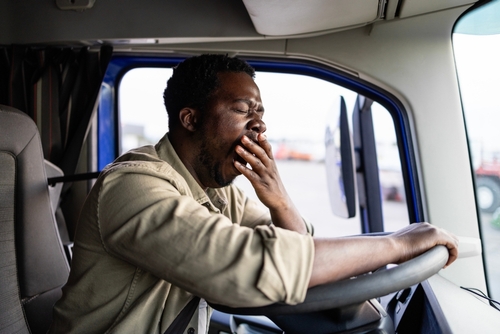
Your Legal Rights After a Wrong-Way Truck Crash in Ohio
Ohio law provides strong protections for victims of wrong-way truck crashes, recognizing the catastrophic nature of these head-on collisions. When a commercial vehicle travels against traffic flow, multiple parties may share liability – the truck driver, trucking company, vehicle maintenance providers, or even government entities responsible for road design and signage. Working with a truck accident attorney in Dayton helps identify all liable parties and ensures you pursue maximum compensation for medical bills, lost wages, pain and suffering, and other damages. Ohio’s two-year statute of limitations means you must file your lawsuit within two years of the crash date, making prompt legal action essential.
The complexity of truck accident cases increases significantly when wrong-way driving is involved. Federal Motor Carrier Safety Administration (FMCSA) regulations, driver logs, vehicle maintenance records, and toxicology reports all become critical evidence. Recent data shows that six in 10 wrong-way crashes between 2010 and 2018 involved alcohol-impaired drivers, making driver impairment investigation a key component of these cases. Your truck accident lawyer Dayton Ohio will thoroughly investigate whether the truck driver violated hours-of-service rules, was under the influence, or had a history of traffic violations that the trucking company ignored.
💡 Pro Tip: Request the truck’s “black box” data immediately through your attorney – this electronic logging device records speed, braking patterns, and driver hours that can prove crucial for establishing fault in wrong-way crashes.
The Legal Timeline: From Crash to Compensation
Understanding the legal process after a wrong-way truck crash helps set realistic expectations and ensures you meet critical deadlines. The journey from crash to compensation typically unfolds over several months or years, depending on case complexity and whether settlement negotiations succeed or trial becomes necessary. Each phase requires specific actions and documentation to build the strongest possible case for recovery.
- Immediate Response (0-7 days): Seek medical treatment, report to police, notify insurance, and preserve evidence from the crash scene
- Investigation Phase (1-3 months): Your Ohio truck accident lawsuit begins with comprehensive evidence gathering, including FARS data analysis, witness interviews, and reconstruction
- Discovery Process (3-9 months): Exchange information with defendants, take depositions, and review trucking company records for violations
- Settlement Negotiations (6-12 months): Most cases resolve here, with 90% of truck accident claims settling before trial
- Trial Preparation and Verdict (12-24 months): If settlement fails, prepare for jury trial where wrong-way crash severity often leads to substantial verdicts
💡 Pro Tip: Keep a daily journal documenting your injuries, pain levels, and how the crash impacts your daily life – juries find these personal accounts compelling when determining pain and suffering awards.
Finding Justice with a Trusted Truck Accident Attorney in Dayton
Securing fair compensation after a wrong-way truck crash requires experienced legal representation who understands both Ohio truck accident laws and the unique challenges these cases present. The team at Horenstein Nicholson & Blumenthal brings extensive experience handling catastrophic truck accident cases throughout Montgomery County, fighting for families devastated by preventable crashes. Their track record includes securing substantial settlements and verdicts that reflect the true cost of these life-altering collisions – not just immediate medical bills, but long-term care needs, lost earning capacity, and the profound emotional toll on victims and families.
Taking action promptly after a wrong-way truck crash protects your rights and preserves crucial evidence. A dedicated Dayton truck accident attorney investigates why the truck entered the wrong way – was it inadequate signage, confusing road design, driver fatigue, or impairment? Understanding these factors helps build a compelling case and may reveal systemic issues that put other drivers at risk. When you consult a lawyer about your wrong-way crash case, they’ll evaluate all potential sources of compensation, including the trucking company’s insurance, the driver’s personal coverage, and possibly government liability if road design contributed to the crash.
💡 Pro Tip: Don’t accept the trucking company’s initial settlement offer – studies show first offers typically represent only 30-40% of a claim’s true value, especially in catastrophic wrong-way crashes.
The Hidden Dangers: Why Montgomery County Sees So Many Wrong-Way Truck Crashes
Montgomery County’s position as Ohio’s 5th-ranked county for wrong-way truck crashes reflects several interconnected factors that create a perfect storm for these deadly incidents. The county’s extensive highway network, including major interstates I-75, I-70, and I-675, sees heavy commercial truck traffic serving the region’s distribution centers and manufacturing facilities. Combined with complex interchange designs and high-speed traffic patterns, these roadways present unique challenges for truck drivers, particularly those unfamiliar with the area or operating under adverse conditions.
Infrastructure and Design Challenges
Outdated interchange designs and inadequate wrong-way signage contribute significantly to Montgomery County’s wrong-way crash problem. Many highway on-ramps lack the modern safety features that states like Rhode Island have implemented, where detection systems reduced crashes from eight fatalities before May 2015 to just one crash with zero fatalities through July 2022. Working with a wrong way truck crash lawyer Dayton helps document these infrastructure deficiencies, potentially establishing government liability alongside driver fault. The absence of proven countermeasures like enhanced pavement markings, larger “WRONG WAY” signs, and detection systems leaves drivers vulnerable to catastrophic mistakes, especially during nighttime hours when most wrong-way crashes occur.
💡 Pro Tip: If you notice confusing or missing signage at the crash location, photograph it immediately and note the exact GPS coordinates – this evidence can prove invaluable for establishing infrastructure-related liability.
Catastrophic Consequences: Understanding Wrong-Way Truck Crash Injuries
Wrong-way truck crashes result in devastating injuries far exceeding typical accidents due to the combined force of head-on impact and the massive weight differential between commercial trucks and passenger vehicles. Victims often face traumatic brain injuries, spinal cord damage, multiple fractures, internal organ damage, and severe burns from post-crash fires. These catastrophic injuries require immediate trauma care, multiple surgeries, extended rehabilitation, and often permanent lifestyle modifications that a Dayton commercial vehicle accident attorney can help quantify for proper compensation.
Long-Term Medical and Financial Impact
The financial toll of wrong-way truck crash injuries extends far beyond initial emergency treatment. Victims frequently require ongoing physical therapy, occupational therapy, psychological counseling for PTSD, home modifications for disabilities, and lifetime medical care for permanent impairments. When pursuing truck accident compensation Dayton Ohio, your attorney must work with life care planners and economic experts to calculate these future costs accurately. Recent studies indicate that severe truck crash victims face average lifetime medical costs exceeding $1 million, not including lost wages and reduced earning capacity that can double or triple the total economic impact.
💡 Pro Tip: Keep every receipt and document related to your crash – even small expenses like prescription co-pays, medical equipment, and travel costs to appointments add up significantly over time.
Frequently Asked Questions
Common Legal Concerns After Wrong-Way Truck Crashes
Victims and families facing the aftermath of wrong-way truck crashes often struggle with similar questions about their rights, the legal process, and what to expect moving forward. Understanding these common concerns helps you make informed decisions about your case and recovery.
💡 Pro Tip: Write down all your questions before meeting with an attorney – the trauma of a crash can make it easy to forget important concerns during your consultation.
Next Steps and Legal Process
Taking the right steps immediately after a wrong-way truck crash significantly impacts your ability to recover fair compensation. From preserving evidence to understanding Ohio’s legal requirements, informed action protects your rights and strengthens your case.
💡 Pro Tip: Create a dedicated email folder for all crash-related communications and forward everything there – this organization proves invaluable as your case progresses.
1. How do Montgomery County truck accident laws differ from regular car accident cases?
Truck accident cases involve federal regulations, multiple insurance policies, and corporate liability that don’t apply to standard car crashes. Commercial vehicles must carry minimum insurance of $750,000 to $5 million depending on cargo, providing greater compensation potential but also attracting aggressive defense tactics. Your I-75 truck accident attorney Dayton must understand FMCSA regulations, driver qualification standards, and maintenance requirements to build a comprehensive case.
2. What compensation can I receive from an Ohio truck collision lawyer for a wrong-way crash?
Compensation in wrong-way truck crashes typically includes medical expenses (past and future), lost wages and earning capacity, pain and suffering, property damage, and potentially punitive damages if gross negligence is proven. Given that wrong-way crashes often result in catastrophic injuries or death, settlements and verdicts frequently reach seven figures, especially when alcohol impairment or hours-of-service violations are involved.
3. How long do I have to file a lawsuit after a wrong-way truck crash in Ohio?
Ohio’s statute of limitations gives you two years from the crash date to file a personal injury lawsuit, or two years from the date of death for wrongful death claims. However, certain exceptions may apply, such as if the victim was a minor or if government entities are involved. Consulting with a Dayton truck crash legal help professional immediately ensures you don’t miss critical deadlines that could bar your recovery.
4. What evidence proves fault in a wrong-way truck crash case?
Key evidence includes police reports, toxicology results, driver logs, GPS data, surveillance footage, witness statements, and road design analysis. The FARS database and state efforts to combat wrong-way driving provide statistical context showing systemic issues. Your attorney will also investigate the trucking company’s safety record, driver training procedures, and compliance with federal regulations to establish negligence.
5. Should I accept the trucking company’s insurance settlement offer?
Never accept a settlement without legal review. Insurance companies often make quick, lowball offers hoping victims will accept before understanding their injuries’ full extent. Given that Wrong-Way Crashes: Updates and Trends show increasing severity and costs, initial offers rarely reflect true damages. An experienced attorney evaluates whether offers fairly compensate for your current and future needs.
Work with a Trusted Truck Accident Lawyer
When facing the devastating aftermath of a wrong-way truck crash, you need legal representation that understands both the complex regulations governing commercial vehicles and the profound impact these crashes have on victims and families. The right attorney investigates every aspect of your case – from driver impairment and fatigue to road design flaws and trucking company negligence. They work with accident reconstruction experts, medical professionals, and economic analysts to build a comprehensive case that reflects the true cost of your injuries and losses. Most importantly, they handle the legal complexities while you focus on healing, providing the support and guidance needed during this difficult time.
Feeling the weight of a wrong-way truck crash can be overwhelming. Let Horenstein Nicholson & Blumenthal lighten your load by guiding you through the legal maze to find justice. Give us a call at 9372247200 or contact us online to begin your path to recovery today.
Related Posts

Can Your Ohio Uninsured Motorist Policy Shorten Your Time to File a Claim?
Ohio UM Policy Deadlines Can Arrive Sooner Than You Think Key Takeaways: Yes, your Ohio uninsured motorist policy can set its own claim deadline. Under ORC § 3937.18(H), an insurer may require UM/UIM claims or lawsuits to be brought within three years after the accident. This clock generally runs separately from the two-year statute of limitations for suing the at-fault driver under ORC § 2305.10(A)….
READ MORE
What Are the Trucker Hours of Service Rules in an Ohio Crash Case?
How Federal Driving Limits Shape Your Ohio Truck Crash Claim Key Takeaways: Federal hours of service rules generally limit property-carrying truckers to 11 hours of driving after 10 consecutive hours off duty, a 14-hour on-duty window, a 30-minute break after 8 cumulative hours of driving, and a weekly 60/70-hour on-duty ceiling. Ohio regulates motor carrier safety through PUCO under Ohio Rev. Code § 4905.81 and…
READ MORE
What Is a Driver Qualification File in a Dayton Truck Accident Case?
The Paper Trail Behind Every Commercial Truck Driver Key Takeaways: A driver qualification file is the federally mandated personnel and safety record that every motor carrier must keep for each driver it employs under 49 CFR Part 391, Subpart F, § 391.51. It typically contains the employment application, motor vehicle record inquiries, a road test certificate or equivalent, evidence of medical certification, and annual reviews…
READ MORE
What Is a Child Support Lien on a Dayton Car Accident Settlement?
How Past-Due Support Can Follow Your Crash Recovery in Montgomery County Key Takeaways: A child support lien on a Dayton car accident settlement is a legal claim letting a child support obligee or enforcement agency reach money owed to a parent behind on support payments. Ohio Revised Code Chapter 3123 supplies this lien authority statewide, so it applies the same way in Montgomery County as…
READ MORE
Why FMCSA’s 6-Month Logbook Rule Threatens Your Dayton Truck Crash Case
The Six-Month Clock That Starts Ticking the Moment a Semi Hits Your Car Key Takeaways: Federal law under 49 CFR 395.8(k)(1) requires motor carriers to retain records of duty status and supporting documents for at least six months from the date of receipt, while Ohio generally gives injury victims two years to file suit under R.C. 2305.10(A). That mismatch means logs proving a fatigued driver…
READ MORE
What Is a Phantom Vehicle Uninsured Motorist Claim in Dayton, Ohio?
When the Driver Who Caused Your Crash Disappears Key Takeaways: A phantom vehicle uninsured motorist claim in Dayton, Ohio generally arises when an unidentified driver causes a crash, often without ever touching your vehicle, leaving you with no at-fault party to sue. Under O.R.C. 3937.18, Ohio generally treats an unidentified driver like an uninsured one, which may allow you to seek benefits through your own…
READ MORE
What Triggers FMCSA Post-Accident Drug Testing in a Dayton Truck Crash?
Why a Truck Driver’s Drug Test Can Make or Break Your Crash Claim Key Takeaways: Federal law under 49 CFR § 382.303 requires a motor carrier to test its driver after a crash in three situations: a human fatality, a tow-away due to disabling damage where the driver is cited within 8 hours for alcohol testing or within 32 hours for controlled substances testing, or…
READ MOREGet HNB to Help You
What our client has to say

Laurie Ruscillo
in Google Reviews
“During a very difficult time, there was compassion and a truly dedicated effort from the staff for a favorable outcome with a disability claim from the Social Security Administration.”
Related Posts
Can Your Ohio Uninsured Motorist Policy Shorten Your Time to File a Claim?
Ohio UM Policy Deadlines Can Arrive Sooner Than You Think Key Takeaways: Yes, your Ohio uninsured motorist policy can set its own claim deadline. Under ORC § 3937.18(H), an insurer may require UM/UIM claims or lawsuits to be brought within three years after the accident. This clock generally runs separately from the two-year statute of limitations for suing the at-fault driver under ORC § 2305.10(A)….
READ MORE What Are the Trucker Hours of Service Rules in an Ohio Crash Case?
How Federal Driving Limits Shape Your Ohio Truck Crash Claim Key Takeaways: Federal hours of service rules generally limit property-carrying truckers to 11 hours of driving after 10 consecutive hours off duty, a 14-hour on-duty window, a 30-minute break after 8 cumulative hours of driving, and a weekly 60/70-hour on-duty ceiling. Ohio regulates motor carrier safety through PUCO under Ohio Rev. Code § 4905.81 and…
READ MORE What Is a Driver Qualification File in a Dayton Truck Accident Case?
The Paper Trail Behind Every Commercial Truck Driver Key Takeaways: A driver qualification file is the federally mandated personnel and safety record that every motor carrier must keep for each driver it employs under 49 CFR Part 391, Subpart F, § 391.51. It typically contains the employment application, motor vehicle record inquiries, a road test certificate or equivalent, evidence of medical certification, and annual reviews…
READ MORE What Is a Child Support Lien on a Dayton Car Accident Settlement?
How Past-Due Support Can Follow Your Crash Recovery in Montgomery County Key Takeaways: A child support lien on a Dayton car accident settlement is a legal claim letting a child support obligee or enforcement agency reach money owed to a parent behind on support payments. Ohio Revised Code Chapter 3123 supplies this lien authority statewide, so it applies the same way in Montgomery County as…
READ MORE Why FMCSA’s 6-Month Logbook Rule Threatens Your Dayton Truck Crash Case
The Six-Month Clock That Starts Ticking the Moment a Semi Hits Your Car Key Takeaways: Federal law under 49 CFR 395.8(k)(1) requires motor carriers to retain records of duty status and supporting documents for at least six months from the date of receipt, while Ohio generally gives injury victims two years to file suit under R.C. 2305.10(A). That mismatch means logs proving a fatigued driver…
READ MORE What Is a Phantom Vehicle Uninsured Motorist Claim in Dayton, Ohio?
When the Driver Who Caused Your Crash Disappears Key Takeaways: A phantom vehicle uninsured motorist claim in Dayton, Ohio generally arises when an unidentified driver causes a crash, often without ever touching your vehicle, leaving you with no at-fault party to sue. Under O.R.C. 3937.18, Ohio generally treats an unidentified driver like an uninsured one, which may allow you to seek benefits through your own…
READ MORE What Triggers FMCSA Post-Accident Drug Testing in a Dayton Truck Crash?
Why a Truck Driver’s Drug Test Can Make or Break Your Crash Claim Key Takeaways: Federal law under 49 CFR § 382.303 requires a motor carrier to test its driver after a crash in three situations: a human fatality, a tow-away due to disabling damage where the driver is cited within 8 hours for alcohol testing or within 32 hours for controlled substances testing, or…
READ MORE


Phone

Hours
AVAILABLE 24/7
OFFICES
Dayton, OH
220 E. Monument Ave.
Suite 305
Dayton, OH 45402