

Property Damage Crashes Up 13% in Dayton: Do You Need an Attorney?
Rising Property Damage Crashes Create Financial Strain for Ohio Drivers
Property damage crashes have surged 13% in Dayton, leaving countless drivers facing unexpected repair bills and insurance battles. If you’re among the thousands dealing with vehicle damage after a collision, you’re likely wondering how to handle repair costs, diminished vehicle value, and whether the insurance settlement will truly cover your losses. The financial burden of property damage extends beyond simple repair estimates—many drivers discover hidden costs, coverage gaps, and legal complexities that transform a straightforward claim into a complex financial challenge requiring professional guidance.
💡 Pro Tip: Document all visible damage immediately after the accident with photos and videos from multiple angles, including close-ups of specific damage areas and wide shots showing the overall impact. This evidence becomes crucial if disputes arise about the extent of damage or pre-existing conditions.
Feeling the weight of property damage claims? Let Horenstein Nicholson & Blumenthal lighten the load. Connect with us at 9372247200 or contact us. We’re here to ensure you receive rightful compensation for your losses.
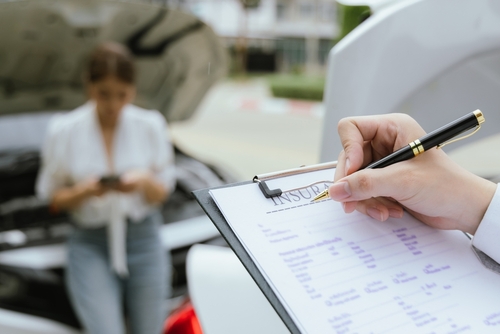
Your Legal Rights After Property Damage in Ohio Car Accidents
In Ohio car accident lawsuits involving property damage, plaintiffs must establish four core elements to succeed: the defendant owed a duty of care, the defendant breached that duty, the breach directly caused the plaintiff’s injuries, and the plaintiff suffered actual damages. A car accident attorney in Dayton can help demonstrate how careless driving behaviors like speeding or running red lights constitute a breach of duty. Understanding these legal foundations empowers you to recognize when you have a valid claim and when professional legal assistance becomes essential for protecting your financial interests.
Ohio’s comparative fault system significantly impacts property damage claims and your potential recovery. Under modified comparative fault approaches, drivers who are partially at fault can recover damages reduced by their percentage of fault, but only if they’re 50% or less responsible for the collision. This means if you’re found 30% at fault for an accident, your $10,000 property damage award would be reduced to $7,000. Working with a car accident attorney in Dayton becomes crucial when fault percentages are disputed, as even a 10% difference in fault determination can mean thousands of dollars in lost compensation.
💡 Pro Tip: Never admit fault or discuss blame at the accident scene—even apologizing can be misconstrued as an admission of guilt. Stick to factual statements when speaking with police and insurance representatives, as fault determinations require thorough investigation of all contributing factors.
Critical Steps and Deadlines After Your Property Damage Accident
Time-sensitive requirements following property damage accidents can significantly impact your ability to recover compensation. Ohio law mandates immediate action at accident scenes—drivers must stop their vehicle and provide their name, address, and vehicle registration number to affected parties. For accidents involving unattended vehicles, you must securely attach this information in writing to the damaged vehicle. If property owners cannot be located after reasonable search, drivers have just 24 hours to report the incident to local police or the county sheriff. Missing these deadlines can result in criminal charges and compromise your insurance claim.
- Stop immediately at the accident scene and exchange information with all parties—failure to stop is a first-degree misdemeanor in Ohio
- Document damage thoroughly with photos before vehicles are moved, capturing license plates, road conditions, and traffic signals
- Report accidents to police within 24 hours if property owner cannot be located—this creates an official record protecting you from hit-and-run charges
- Notify your insurance company promptly, but consult an attorney before accepting any settlement offers that may undervalue your claim
- Obtain repair estimates from multiple certified shops to establish the true cost of returning your vehicle to pre-accident condition
- Track all accident-related expenses including rental cars, towing fees, and storage costs—these are recoverable damages often overlooked
💡 Pro Tip: Request your official accident report through Ohio’s crash statistics system within 24 hours by contacting the Ohio Traffic Safety Office at (614) 466-3250. Having this documentation early helps identify discrepancies in other parties’ statements and strengthens your position in negotiations.
Why Property Damage Claims Require Professional Legal Guidance
While property damage might seem straightforward compared to personal injury claims, the reality proves far more complex. Insurance companies routinely undervalue vehicle damage claims, dispute repair costs, and ignore diminished value—the permanent reduction in your vehicle’s worth even after repairs. A skilled car accident attorney in Dayton understands these tactics and fights for comprehensive compensation including all hidden costs. Horenstein Nicholson & Blumenthal brings decades of experience challenging lowball insurance offers and securing fair settlements that truly make clients whole after property damage accidents.
The decision to consult a lawyer becomes particularly crucial when dealing with disputed fault, underinsured motorists, or total loss declarations. Insurance adjusters work for their companies’ bottom line, not your best interests. They may rush you to accept inadequate settlements or use recorded statements against you later. Having experienced legal representation levels the playing field, ensuring your rights are protected throughout the claims process. Many drivers discover that attorney representation results in significantly higher settlements, even after legal fees, compared to handling claims independently.
💡 Pro Tip: Before accepting any property damage settlement, have an attorney review the offer to ensure it includes often-overlooked elements like diminished value, loss of use, and all related expenses. Quick settlements rarely account for the full scope of your losses.
Hidden Costs and Complications in Property Damage Claims
Property damage extends far beyond visible dents and scratches, encompassing numerous financial impacts that insurance companies hope you’ll overlook. Modern vehicles contain sophisticated safety systems, sensors, and computer components that dramatically increase repair costs. A seemingly minor fender-bender can damage parking sensors, adaptive cruise control systems, or structural components requiring specialized repair techniques. Without proper legal representation, these complex damages often go uncompensated, leaving you paying thousands out-of-pocket for complete repairs. Understanding vehicle damage claims requires recognizing both obvious and hidden damage that affects your vehicle’s safety, performance, and value.
Diminished Value: The Hidden Loss Insurance Won’t Mention
Even perfectly repaired vehicles suffer permanent value loss simply from having an accident history. This diminished value can represent 10-25% of your vehicle’s pre-accident worth, translating to thousands of dollars in lost equity. Ohio law recognizes diminished value claims, but insurance companies rarely volunteer this information or include it in initial settlements. A car accident attorney in Dayton can calculate and pursue this often-substantial compensation component, ensuring you’re not left absorbing this hidden loss when you eventually sell or trade your vehicle.
💡 Pro Tip: Obtain a professional diminished value appraisal from an independent expert rather than relying on insurance company calculations. This third-party assessment provides concrete evidence supporting your full compensation claim and often reveals significantly higher losses than insurers acknowledge.
When Insurance Coverage Falls Short: Protecting Your Financial Recovery
Most insurance policies cover vehicle damage up to stated limits, though coverage details and eligibility depend on multiple factors that create dangerous gaps. Collision coverage handles damage from impacts with other vehicles or objects, comprehensive coverage addresses non-collision damage like theft or weather, while uninsured or underinsured motorist property damage coverage protects you when at-fault drivers lack adequate insurance. However, policy limits, deductibles, and exclusions often leave substantial uncovered costs. Understanding these coverage limitations helps identify when additional legal action becomes necessary to achieve full compensation.
Restitution Rights When Facing Uninsured Drivers
Ohio law provides additional protection when negligent drivers lack required insurance coverage. Courts may order restitution up to $5,000 for economic losses if offenders fail to provide proof of financial responsibility. Additionally, courts must impose a class B, C, or F suspension of the offender’s driver’s license with no suspension allowed for the first six months. While these penalties punish irresponsible drivers, collecting actual compensation often requires aggressive legal pursuit through wage garnishments, asset liens, or payment plans that only experienced attorneys can effectively navigate.
💡 Pro Tip: If hit by an uninsured driver, immediately verify whether they have any insurance coverage through other vehicles or household members. Sometimes coverage exists through non-obvious sources that require thorough investigation to uncover.
Frequently Asked Questions
Understanding Your Rights and Legal Options
Property damage accidents raise numerous questions about rights, responsibilities, and recovery options. Ohio crash statistics reveal increasing collision rates, making it essential to understand your legal position before accepting any settlement. These answers address the most common concerns drivers face when dealing with vehicle damage claims.
💡 Pro Tip: Keep a detailed journal of all accident-related conversations, including dates, times, and names of insurance representatives or other parties. This documentation proves invaluable if disputes arise about promised coverage or settlement terms.
Navigating the Claims Process Successfully
The path from accident to fair compensation involves numerous decisions that significantly impact your financial recovery. Understanding each step helps you avoid common pitfalls and maximize your settlement. Working with an experienced car accident attorney in Dayton ensures you make informed choices throughout this complex process.
💡 Pro Tip: Never sign any documents or provide recorded statements without legal review. Insurance companies often use these materials to limit their liability, and seemingly innocent statements can damage your claim.
1. Should I consult a lawyer for property damage even if no one was injured?
Yes, property damage claims often involve complex issues like disputed fault, inadequate insurance coverage, and hidden damages that benefit from professional legal guidance. Attorneys help maximize compensation by pursuing diminished value claims, ensuring all damage is properly documented, and negotiating with insurance companies who routinely undervalue claims. Even seemingly straightforward property damage cases can result in thousands of dollars in additional compensation with proper representation.
2. What if the insurance company’s offer doesn’t cover all my vehicle damage?
Insurance companies frequently offer settlements below actual repair costs, hoping you’ll accept quick payment rather than pursuing full compensation. If facing an inadequate offer, obtain independent repair estimates, document all damage thoroughly, and consider legal representation. Attorneys can challenge lowball offers by presenting evidence of comparable repair costs, pursuing supplemental claims for discovered damage, and leveraging Ohio law to secure fair compensation including diminished value and associated expenses.
3. How do Ohio’s crash statistics affect my property damage claim?
Rising accident rates in Dayton create increased pressure on insurance companies, sometimes leading to more aggressive claims denial tactics and reduced settlement offers. Current data shows property damage crashes up 13%, meaning insurers face higher payouts and may scrutinize claims more carefully. Understanding these trends helps explain why professional legal representation becomes increasingly important for achieving fair compensation in today’s challenging claims environment.
4. What happens if I can’t afford repairs while waiting for insurance settlement?
Financial pressure shouldn’t force you to accept inadequate settlements. Options include rental car coverage through your policy, repair shop payment plans, or pursuing expedited partial payments for undisputed damages. Attorneys can negotiate interim payments, coordinate with repair facilities, and ensure you’re not financially pressured into accepting unfair offers. Some situations may warrant pursuing additional compensation for loss of use, especially if delays stem from insurance company tactics.
5. When do property damage cases typically require filing a lawsuit?
Lawsuits become necessary when insurance companies refuse reasonable settlements, dispute clear fault, or when damages exceed policy limits. Cases involving commercial vehicles, government entities, or multiple at-fault parties often require litigation. An experienced Dayton car accident lawyer evaluates whether lawsuit potential justifies formal legal action, considering factors like damage amount, liability clarity, and insurance company cooperation. Most cases settle without trial, but having an attorney willing to litigate often motivates better settlement offers.
Work with a Trusted Car Accidents Lawyer
Property damage claims require the same attention to detail and legal expertise as injury cases, especially with crashes increasing throughout Montgomery County. The right legal representation ensures you receive full compensation for all losses—not just visible damage but also diminished value, loss of use, and related expenses insurance companies hope you’ll overlook. Horenstein Nicholson & Blumenthal combines extensive experience with genuine commitment to client success, fighting for every dollar you deserve while you focus on getting your life back to normal. Contact their team for a consultation about your property damage claim and discover how professional representation can significantly impact your financial recovery.
Are property damage claims leaving you puzzled? Allow Horenstein Nicholson & Blumenthal to ease the burden. Reach out at 9372247200 or contact us for guidance on securing the compensation you deserve.
Related Posts

What Is Substantial Aggravation of a Pre-Existing Condition in Ohio?
When a Work Injury Makes an Old Problem Much Worse Key Takeaways: In Ohio, a substantial aggravation of a pre-existing condition occurs when a work injury meaningfully worsens an existing health problem, compensable under R.C. § 4123.01(C)(4) only when documented by objective diagnostic findings, objective clinical findings, or objective test results, not subjective pain complaints alone. Ohio’s no-fault system means having a bad back, arthritic joints,…
READ MORE
What Is an MCS-90 Endorsement in a Dayton Truck Accident Claim?
How the MCS-90 Endorsement Truck Accident Protection Actually Works The endorsement is a promise made to the public, not just to the insured carrier. Under 49 CFR 387.15, the insurer agrees to pay any final judgment recovered against the insured for public liability arising from negligent operation of motor vehicles, up to the applicable minimum limit. Because the obligation runs to the public, courts have held…
READ MORE
What Is the No-Zone Around Trucks in Dayton, Ohio?
Understanding the Hidden Danger of Truck Blind Spots on Dayton Roads Key Takeaways: The no-zone is the set of blind spot areas at the front, back, and both sides of a large truck where a smaller vehicle disappears from the driver’s view, creating a core hazard on Dayton roads like I-75 and U.S. 35. The right side is the largest blind spot and the rear leaves…
READ MOREWhat Is a Hit and Run Injury Claim Under Ohio Law for Dayton Victims?
Understanding Your Rights After a Hit-Skip Crash in the Miami Valley Key Takeaways: A hit and run injury claim under Ohio law allows Dayton victims to seek compensation after a driver flees, primarily through their own uninsured motorist (UM) coverage, since Ohio treats a fleeing driver like an uninsured one. Recovery remains possible even when the driver is never identified, provided independent corroborating evidence such as…
READ MORE
Should Dayton Drivers Move a Car After a Minor Ohio Collision?
The Short Answer for Dayton Drivers Facing a Fender Bender Key Takeaways: Dayton drivers can move a car after a minor Ohio collision, but only after fulfilling their legal duties first. Ohio law requires you to stop immediately, remain at the scene, and exchange identifying information including name, address, and vehicle registration before repositioning any vehicle. Once you’ve met those duties and documented the original positions…
READ MORE
What Should Dayton Workers Weigh Before Accepting a Lump Sum Settlement?
Understanding Lump Sum Settlements in Ohio’s Workers’ Comp System Key Takeaways: Before accepting a lump sum settlement (LSS), Dayton workers should weigh immediate financial relief against long-term rights they may permanently give up. An LSS closes all or part of a claim for a one-time payment often discounted to present value. Either party can initiate a settlement under Ohio law, so an employer’s offer may reflect…
READ MORE
What Makes a Dayton Truck Accident Case Harder to Prove Than a Car Crash?
Why Trucking Claims Demand a Different Playbook Than Ordinary Crashes Key Takeaways: A Dayton truck accident case is harder to prove than a car crash because liability can be spread across multiple parties, the driver, carrier, maintenance provider, and cargo loaders, each with separate insurance and defense counsel. Evidence is more technical, requiring driver logs, hours-of-service data, maintenance records, and black box downloads held by trucking…
READ MOREGet HNB to Help You
What our client has to say

Laurie Ruscillo
in Google Reviews
“During a very difficult time, there was compassion and a truly dedicated effort from the staff for a favorable outcome with a disability claim from the Social Security Administration.”
Related Posts
What Is Substantial Aggravation of a Pre-Existing Condition in Ohio?
When a Work Injury Makes an Old Problem Much Worse Key Takeaways: In Ohio, a substantial aggravation of a pre-existing condition occurs when a work injury meaningfully worsens an existing health problem, compensable under R.C. § 4123.01(C)(4) only when documented by objective diagnostic findings, objective clinical findings, or objective test results, not subjective pain complaints alone. Ohio’s no-fault system means having a bad back, arthritic joints,…
READ MORE What Is an MCS-90 Endorsement in a Dayton Truck Accident Claim?
How the MCS-90 Endorsement Truck Accident Protection Actually Works The endorsement is a promise made to the public, not just to the insured carrier. Under 49 CFR 387.15, the insurer agrees to pay any final judgment recovered against the insured for public liability arising from negligent operation of motor vehicles, up to the applicable minimum limit. Because the obligation runs to the public, courts have held…
READ MORE What Is the No-Zone Around Trucks in Dayton, Ohio?
Understanding the Hidden Danger of Truck Blind Spots on Dayton Roads Key Takeaways: The no-zone is the set of blind spot areas at the front, back, and both sides of a large truck where a smaller vehicle disappears from the driver’s view, creating a core hazard on Dayton roads like I-75 and U.S. 35. The right side is the largest blind spot and the rear leaves…
READ MOREWhat Is a Hit and Run Injury Claim Under Ohio Law for Dayton Victims?
Understanding Your Rights After a Hit-Skip Crash in the Miami Valley Key Takeaways: A hit and run injury claim under Ohio law allows Dayton victims to seek compensation after a driver flees, primarily through their own uninsured motorist (UM) coverage, since Ohio treats a fleeing driver like an uninsured one. Recovery remains possible even when the driver is never identified, provided independent corroborating evidence such as…
READ MORE Should Dayton Drivers Move a Car After a Minor Ohio Collision?
The Short Answer for Dayton Drivers Facing a Fender Bender Key Takeaways: Dayton drivers can move a car after a minor Ohio collision, but only after fulfilling their legal duties first. Ohio law requires you to stop immediately, remain at the scene, and exchange identifying information including name, address, and vehicle registration before repositioning any vehicle. Once you’ve met those duties and documented the original positions…
READ MORE What Should Dayton Workers Weigh Before Accepting a Lump Sum Settlement?
Understanding Lump Sum Settlements in Ohio’s Workers’ Comp System Key Takeaways: Before accepting a lump sum settlement (LSS), Dayton workers should weigh immediate financial relief against long-term rights they may permanently give up. An LSS closes all or part of a claim for a one-time payment often discounted to present value. Either party can initiate a settlement under Ohio law, so an employer’s offer may reflect…
READ MORE What Makes a Dayton Truck Accident Case Harder to Prove Than a Car Crash?
Why Trucking Claims Demand a Different Playbook Than Ordinary Crashes Key Takeaways: A Dayton truck accident case is harder to prove than a car crash because liability can be spread across multiple parties, the driver, carrier, maintenance provider, and cargo loaders, each with separate insurance and defense counsel. Evidence is more technical, requiring driver logs, hours-of-service data, maintenance records, and black box downloads held by trucking…
READ MORE


Phone

Hours
AVAILABLE 24/7
OFFICES
Dayton, OH
220 E. Monument Ave.
Suite 305
Dayton, OH 45402