

Why $750K Insurance May Not Cover Your Dayton Truck Crash Damages
When Federal Minimum Coverage Falls Short After a Devastating Crash
The crushing impact of a semi-truck collision can leave you facing medical bills that soar well beyond the $750,000 federal minimum insurance requirement for interstate carriers. While this coverage amount might sound substantial, the harsh reality is that catastrophic injuries from commercial truck accidents often result in damages that far exceed this baseline protection. With medical costs, lost wages, and long-term care expenses mounting rapidly after a serious crash, understanding why standard commercial coverage may fall short becomes crucial for protecting your financial future. The complex web of federal regulations, multiple liable parties, and varying coverage requirements creates a challenging landscape for accident victims seeking fair compensation.
💡 Pro Tip: Document all medical treatments and lost work time immediately after your accident, as these records become essential when damages exceed standard policy limits.
Don’t let insufficient insurance coverage leave you high and dry after a truck accident. Horenstein Nicholson & Blumenthal is here to navigate the legal maze and fight for the compensation you deserve. Dial 9372247200 or contact us today to safeguard your financial future.
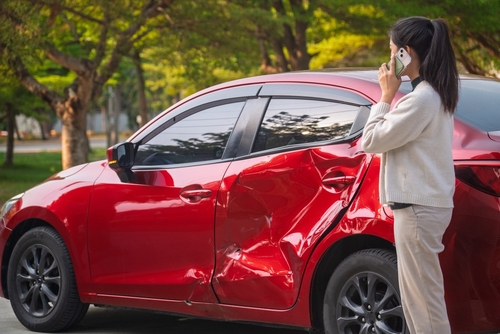
Understanding Federal Insurance Requirements and Your Rights as a Truck Accident Attorney in Dayton Can Explain
Federal law mandates that interstate commercial carriers maintain a minimum of $750,000 in liability coverage for non-hazardous cargo transport, but this requirement hasn’t kept pace with the devastating costs of modern truck accidents. The regulations, outlined in 49 C.F.R. part 387, establish different coverage tiers based on cargo type – with hazardous materials requiring up to $5,000,000 in coverage. When working with a truck accident attorney in Dayton, you’ll discover that these minimums often prove inadequate when facing severe injuries like traumatic brain injuries, spinal cord damage, or multiple surgeries requiring extensive rehabilitation.
Your rights extend beyond just pursuing the truck driver’s insurance coverage. Ohio law recognizes that liability in commercial truck accidents frequently involves multiple parties – from the trucking company operating under vicarious liability principles to cargo loaders, maintenance providers, and even vehicle manufacturers. This expanded liability framework means that while the primary policy might cap at $750,000, additional coverage sources could be available through these other responsible parties. Understanding this complex insurance structure requires careful analysis of employment relationships, maintenance records, and contractual obligations between various entities in the trucking operation chain.
💡 Pro Tip: Request copies of all insurance policies involved in your case, including excess coverage and umbrella policies that might provide additional compensation beyond the federal minimums.
The Critical Timeline for Pursuing Maximum Compensation
Time becomes your enemy when damages exceed standard coverage limits, making swift action essential for protecting your claim. The process of uncovering all available insurance coverage and liable parties requires systematic investigation that should begin immediately after your accident. Ohio’s statute of limitations provides a two-year window for filing personal injury claims, but waiting even a few months can result in lost evidence, faded witness memories, and missed opportunities to identify additional coverage sources.
- First 72 hours: Secure accident scene evidence, including electronic logging device data that trucking companies must preserve for only six months
- Week 1-2: Identify all potentially liable parties through federal motor carrier records and employment documentation
- Month 1: Obtain certified copies of all applicable insurance policies, including excess coverage that carriers often don’t voluntarily disclose
- Month 2-3: Complete initial medical evaluations to project long-term care costs that might exceed $750,000
- Month 3-6: Engage financial experts to calculate lifetime economic losses, especially for permanent disabilities requiring ongoing care
💡 Pro Tip: Federal regulations require trucking companies to maintain specific records for limited periods – driver logs for 6 months, vehicle inspection reports for 12 months – making early preservation requests critical.
Strategic Solutions When Insurance Falls Short
When catastrophic injuries push damages beyond available insurance coverage, pursuing comprehensive compensation requires strategic legal action that goes beyond standard claim procedures. The attorneys at Horenstein Nicholson & Blumenthal understand that securing fair compensation often means identifying multiple insurance layers, pursuing corporate assets, and leveraging Ohio’s vicarious liability laws to hold trucking companies fully accountable. Working with a truck accident attorney in Dayton who understands federal transportation regulations becomes essential when building cases that pierce through coverage limitations.
Resolution strategies must account for Ohio’s modified comparative fault rules, which allow recovery as long as you’re not more than 50% responsible for the accident. This becomes particularly important in high-damage cases where insurance companies aggressively argue comparative fault to reduce their exposure. Filing lawsuits against multiple defendants – including the driver, trucking company, maintenance providers, and cargo loaders – creates leverage for accessing different insurance policies and corporate assets that wouldn’t be available through a simple insurance claim.
💡 Pro Tip: Consider structuring settlements to include future medical coverage guarantees rather than lump-sum payments, protecting against unforeseen complications that could exceed initial projections.
The Hidden Costs That Overwhelm Standard Coverage
Catastrophic truck accidents generate expenses that extend far beyond immediate medical treatment, creating financial burdens that quickly surpass $750,000 in coverage. Modern medical costs for severe injuries have skyrocketed – a traumatic brain injury requiring long-term care can exceed $3 million over a lifetime, while spinal cord injuries often demand $1 million in just the first year. These figures don’t include lost earning capacity, which compounds dramatically for younger victims facing decades without income. Understanding commercial truck accident liability becomes crucial when calculating these long-term impacts that standard policies simply cannot cover.
Lifetime Care Requirements
Severe truck accident injuries often require modifications to homes, specialized transportation, daily nursing care, and ongoing therapy that insurance adjusters routinely undervalue in initial settlements. The need for future surgeries, medication adjustments, and evolving care requirements creates uncertainty that makes accepting policy limit settlements dangerous for victims. Ohio courts recognize these future damages, but proving their full extent requires medical experts, life care planners, and vocational rehabilitation specialists whose testimony builds the foundation for compensation beyond basic coverage limits.
💡 Pro Tip: Obtain a comprehensive life care plan from certified specialists before considering any settlement, as these documents often reveal millions in future costs insurers hope to avoid.
Multiple Liability Layers in Commercial Trucking
The trucking industry’s complex operational structure creates multiple potential defendants, each potentially carrying separate insurance coverage that combined could far exceed the base $750,000 requirement. When drivers operate under their employer’s authority, vicarious liability principles make the company responsible for accidents occurring within the scope of employment – opening access to corporate insurance policies, excess coverage, and business assets. Understanding these relationships requires examining employment contracts, lease agreements, and operational control factors that determine liability allocation.
Beyond the Driver: Expanded Liability Sources
Modern trucking operations involve numerous parties whose negligence might contribute to accidents. Cargo loading companies face liability for improperly secured loads, maintenance providers for inadequate repairs, and brokers for negligent carrier selection. Each entity typically maintains separate insurance coverage, creating a potential coverage stack that experienced attorneys can access through careful investigation. Recent enforcement of federal safety regulations has increased scrutiny on these relationships, making it easier to establish liability patterns that support claims against multiple defendants when seeking compensation with help from a truck accident attorney in Dayton.
💡 Pro Tip: Request federal Motor Carrier Safety Administration (FMCSA) compliance records early, as patterns of violations often reveal additional liable parties and insurance coverage.
Technology’s Role in Proving Damages Beyond Coverage Limits
Electronic evidence from modern trucks provides unprecedented insight into accident causation, helping establish liability patterns that support excess damage claims. Large truck safety systems like electronic stability control, required on vehicles since 2019, create data trails showing driver actions, company policies, and systemic failures that strengthen cases for punitive damages beyond compensatory awards. Forward collision warning and automatic emergency braking systems, shown to reduce crashes by over 40%, generate records proving whether carriers invested in available safety technology.
Data That Drives Higher Settlements
Electronic logging devices, GPS tracking, and engine control modules capture second-by-second accident data that often contradicts initial police reports or driver statements. This technological evidence becomes particularly valuable when pursuing corporate liability, as patterns of hours-of-service violations, disabled safety systems, or ignored maintenance warnings demonstrate systemic negligence supporting larger damage awards. When you consult a lawyer experienced in truck accident cases, they can subpoena this electronic evidence before trucking companies legally purge it from their systems.
💡 Pro Tip: Demand preservation letters for all electronic data within 24 hours of your accident, as some systems automatically overwrite crucial evidence after short periods.
Frequently Asked Questions
Insurance Coverage Concerns After Serious Truck Crashes
Understanding your options when facing mounting medical bills and limited insurance coverage helps you make informed decisions about your case. These common questions address the primary concerns victims face when standard coverage proves inadequate.
💡 Pro Tip: Keep detailed records of all accident-related expenses, including those your health insurance initially covers, as these amounts factor into total damage calculations.
Legal Process for High-Value Truck Accident Claims
The path to securing compensation beyond standard policy limits involves strategic legal steps that differ from typical insurance claims. Understanding this process helps set realistic expectations while pursuing maximum recovery.
💡 Pro Tip: Never accept initial settlement offers without comprehensive legal review, as early settlements often dramatically undervalue long-term damages in catastrophic injury cases.
1. What happens when my truck accident damages exceed the $750,000 federal minimum coverage in Montgomery County?
When damages surpass standard coverage, attorneys pursue additional compensation through multiple avenues: identifying excess insurance policies, filing claims against multiple liable parties, and potentially pursuing corporate assets. Ohio law allows stacking coverage from different defendants, meaning the truck driver, trucking company, maintenance providers, and others might each carry separate policies. Strategic litigation often uncovers umbrella policies and excess coverage that trucking companies don’t initially disclose.
2. How do Ohio truck accident laws protect victims when insurance isn’t enough?
Ohio’s legal framework provides several protections for catastrophic injury victims. The state’s vicarious liability doctrine holds employers responsible for employee actions during work duties, opening access to corporate insurance and assets. Additionally, Ohio’s modified comparative negligence rule allows recovery if you’re not primarily at fault, and courts can award punitive damages for egregious conduct, potentially tripling compensation beyond actual damages.
3. Can I sue the trucking company directly if the driver’s insurance won’t cover my Dayton truck accident lawsuit?
Yes, filing suit directly against the trucking company often provides the best path to full compensation. Companies face liability for negligent hiring, training, supervision, and maintenance practices beyond just their driver’s actions. Federal safety regulation violations, such as hours-of-service infractions or inadequate vehicle maintenance, create independent grounds for corporate liability with potentially higher damage awards than simple driver negligence claims.
4. What types of truck accident compensation does Dayton recognize beyond basic medical bills?
Ohio law recognizes extensive damage categories often overlooked by insurance adjusters: future medical expenses, lifetime care costs, lost earning capacity, household services value, and non-economic damages like pain, suffering, and loss of life enjoyment. In cases involving permanent disability, courts also consider modifications to homes and vehicles, ongoing therapy costs, and the economic impact on family members who become caregivers.
5. How long do Ohio truck accident claims take when seeking damages above insurance limits?
Complex truck accident cases pursuing damages beyond policy limits typically require 18-36 months from filing to resolution. This extended timeline allows for thorough discovery of all insurance coverage, complete medical evaluations establishing long-term prognosis, and expert testimony development. While this seems lengthy, rushing to settlement when facing catastrophic injuries often results in accepting inadequate compensation that won’t cover lifetime needs.
Work with a Trusted Truck Accident Lawyer
Facing catastrophic injuries with inadequate insurance coverage demands legal representation that understands both federal trucking regulations and Ohio’s compensation laws. The complexity of pursuing multiple defendants, uncovering hidden insurance policies, and proving damages that extend decades into the future requires systematic expertise that general practice attorneys rarely possess. When selecting representation for high-stakes truck accident cases, focus on firms with proven track records in federal transportation law, access to accident reconstruction experts, and financial resources to fund lengthy litigation against well-funded trucking companies and their insurers. The decision you make today about legal representation will impact your family’s financial security for decades to come.
If you’re navigating the turbulent aftermath of a truck accident and worried about insufficient insurance coverage, let Horenstein Nicholson & Blumenthal be your guide. Reach out now at 9372247200 or contact us to ensure your financial future isn’t left in the dust.
Related Posts

What Is Substantial Aggravation of a Pre-Existing Condition in Ohio?
When a Work Injury Makes an Old Problem Much Worse Key Takeaways: In Ohio, a substantial aggravation of a pre-existing condition occurs when a work injury meaningfully worsens an existing health problem, compensable under R.C. § 4123.01(C)(4) only when documented by objective diagnostic findings, objective clinical findings, or objective test results, not subjective pain complaints alone. Ohio’s no-fault system means having a bad back, arthritic joints,…
READ MORE
What Is an MCS-90 Endorsement in a Dayton Truck Accident Claim?
How the MCS-90 Endorsement Truck Accident Protection Actually Works The endorsement is a promise made to the public, not just to the insured carrier. Under 49 CFR 387.15, the insurer agrees to pay any final judgment recovered against the insured for public liability arising from negligent operation of motor vehicles, up to the applicable minimum limit. Because the obligation runs to the public, courts have held…
READ MORE
What Is the No-Zone Around Trucks in Dayton, Ohio?
Understanding the Hidden Danger of Truck Blind Spots on Dayton Roads Key Takeaways: The no-zone is the set of blind spot areas at the front, back, and both sides of a large truck where a smaller vehicle disappears from the driver’s view, creating a core hazard on Dayton roads like I-75 and U.S. 35. The right side is the largest blind spot and the rear leaves…
READ MOREWhat Is a Hit and Run Injury Claim Under Ohio Law for Dayton Victims?
Understanding Your Rights After a Hit-Skip Crash in the Miami Valley Key Takeaways: A hit and run injury claim under Ohio law allows Dayton victims to seek compensation after a driver flees, primarily through their own uninsured motorist (UM) coverage, since Ohio treats a fleeing driver like an uninsured one. Recovery remains possible even when the driver is never identified, provided independent corroborating evidence such as…
READ MORE
Should Dayton Drivers Move a Car After a Minor Ohio Collision?
The Short Answer for Dayton Drivers Facing a Fender Bender Key Takeaways: Dayton drivers can move a car after a minor Ohio collision, but only after fulfilling their legal duties first. Ohio law requires you to stop immediately, remain at the scene, and exchange identifying information including name, address, and vehicle registration before repositioning any vehicle. Once you’ve met those duties and documented the original positions…
READ MORE
What Should Dayton Workers Weigh Before Accepting a Lump Sum Settlement?
Understanding Lump Sum Settlements in Ohio’s Workers’ Comp System Key Takeaways: Before accepting a lump sum settlement (LSS), Dayton workers should weigh immediate financial relief against long-term rights they may permanently give up. An LSS closes all or part of a claim for a one-time payment often discounted to present value. Either party can initiate a settlement under Ohio law, so an employer’s offer may reflect…
READ MORE
What Makes a Dayton Truck Accident Case Harder to Prove Than a Car Crash?
Why Trucking Claims Demand a Different Playbook Than Ordinary Crashes Key Takeaways: A Dayton truck accident case is harder to prove than a car crash because liability can be spread across multiple parties, the driver, carrier, maintenance provider, and cargo loaders, each with separate insurance and defense counsel. Evidence is more technical, requiring driver logs, hours-of-service data, maintenance records, and black box downloads held by trucking…
READ MOREGet HNB to Help You
What our client has to say

Laurie Ruscillo
in Google Reviews
“During a very difficult time, there was compassion and a truly dedicated effort from the staff for a favorable outcome with a disability claim from the Social Security Administration.”
Related Posts
What Is Substantial Aggravation of a Pre-Existing Condition in Ohio?
When a Work Injury Makes an Old Problem Much Worse Key Takeaways: In Ohio, a substantial aggravation of a pre-existing condition occurs when a work injury meaningfully worsens an existing health problem, compensable under R.C. § 4123.01(C)(4) only when documented by objective diagnostic findings, objective clinical findings, or objective test results, not subjective pain complaints alone. Ohio’s no-fault system means having a bad back, arthritic joints,…
READ MORE What Is an MCS-90 Endorsement in a Dayton Truck Accident Claim?
How the MCS-90 Endorsement Truck Accident Protection Actually Works The endorsement is a promise made to the public, not just to the insured carrier. Under 49 CFR 387.15, the insurer agrees to pay any final judgment recovered against the insured for public liability arising from negligent operation of motor vehicles, up to the applicable minimum limit. Because the obligation runs to the public, courts have held…
READ MORE What Is the No-Zone Around Trucks in Dayton, Ohio?
Understanding the Hidden Danger of Truck Blind Spots on Dayton Roads Key Takeaways: The no-zone is the set of blind spot areas at the front, back, and both sides of a large truck where a smaller vehicle disappears from the driver’s view, creating a core hazard on Dayton roads like I-75 and U.S. 35. The right side is the largest blind spot and the rear leaves…
READ MOREWhat Is a Hit and Run Injury Claim Under Ohio Law for Dayton Victims?
Understanding Your Rights After a Hit-Skip Crash in the Miami Valley Key Takeaways: A hit and run injury claim under Ohio law allows Dayton victims to seek compensation after a driver flees, primarily through their own uninsured motorist (UM) coverage, since Ohio treats a fleeing driver like an uninsured one. Recovery remains possible even when the driver is never identified, provided independent corroborating evidence such as…
READ MORE Should Dayton Drivers Move a Car After a Minor Ohio Collision?
The Short Answer for Dayton Drivers Facing a Fender Bender Key Takeaways: Dayton drivers can move a car after a minor Ohio collision, but only after fulfilling their legal duties first. Ohio law requires you to stop immediately, remain at the scene, and exchange identifying information including name, address, and vehicle registration before repositioning any vehicle. Once you’ve met those duties and documented the original positions…
READ MORE What Should Dayton Workers Weigh Before Accepting a Lump Sum Settlement?
Understanding Lump Sum Settlements in Ohio’s Workers’ Comp System Key Takeaways: Before accepting a lump sum settlement (LSS), Dayton workers should weigh immediate financial relief against long-term rights they may permanently give up. An LSS closes all or part of a claim for a one-time payment often discounted to present value. Either party can initiate a settlement under Ohio law, so an employer’s offer may reflect…
READ MORE What Makes a Dayton Truck Accident Case Harder to Prove Than a Car Crash?
Why Trucking Claims Demand a Different Playbook Than Ordinary Crashes Key Takeaways: A Dayton truck accident case is harder to prove than a car crash because liability can be spread across multiple parties, the driver, carrier, maintenance provider, and cargo loaders, each with separate insurance and defense counsel. Evidence is more technical, requiring driver logs, hours-of-service data, maintenance records, and black box downloads held by trucking…
READ MORE


Phone

Hours
AVAILABLE 24/7
OFFICES
Dayton, OH
220 E. Monument Ave.
Suite 305
Dayton, OH 45402